24 Hour Emergency HVAC: What Qualifies as an Emergency?
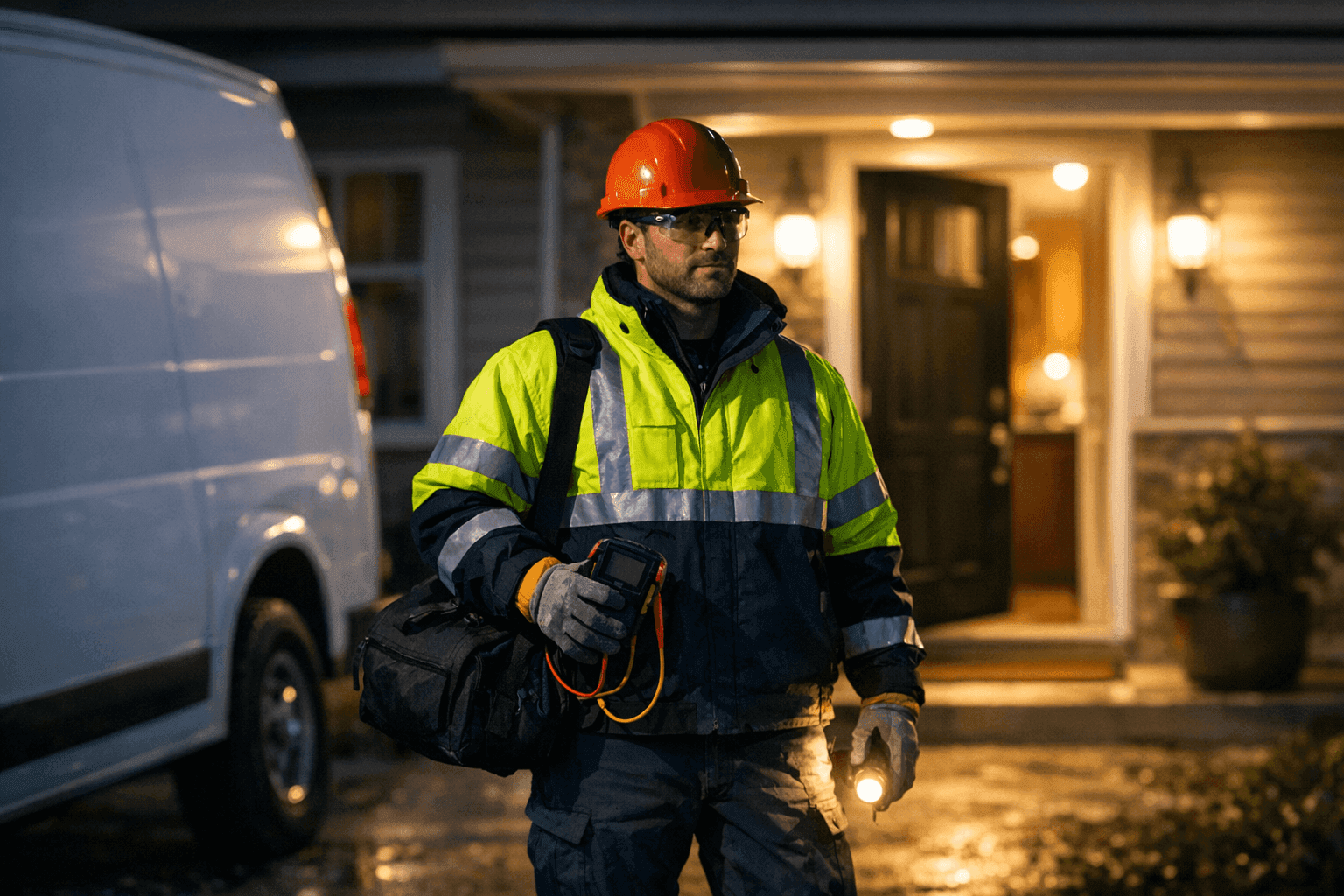
When your HVAC system suddenly fails in the dead of night or the coldest morning of winter, panic can set in fast. Whether you’re caring for a family or responsible for a building full of tenants, knowing what counts as an HVAC emergency is vital.
At Best Indy HVAC, we understand the stress and confusion these moments bring. We’re here to guide you—so you’re empowered to act decisively and safely.
What Really Counts as an HVAC Emergency? 🚨
Not every noisy vent or lukewarm room means you need to call for help at 2 a.m. Emergencies are about risk—when comfort crosses into danger. Here are the most common situations that qualify:
- Complete loss of heat during extreme cold (especially for homes with infants, elderly, or people with medical conditions).
- No air conditioning during a heatwave, particularly in spaces where high temperatures pose health risks.
- Gas leaks—that unmistakable rotten-egg smell means immediate danger.
- Electrical hazards like sparking, smoke, or burning odors from your HVAC.
- Major water leaks from AC or HVAC equipment threatening home structure or electrical systems.
If you’re unsure, err on the side of caution. Your safety comes first.
Immediate Safety Checklist: What To Do Before Help Arrives
Stop. Breathe. Before you do anything else, scan your surroundings. Use these quick steps:
- Smell gas? Evacuate the building right now. Call 911 from a safe location.
- Is there visible smoke or sparks? Shut off power to your HVAC at the breaker, if safe.
- Major leaks: Turn off water supply to equipment if possible.
- For total comfort loss in dangerous temperatures, gather household members in the warmest/coolest room and use safe, alternative heat/cooling sources.
Always put people—not property—first.
Types of HVAC Emergencies: Breaking Down the Scenarios
Emergencies come in all shapes and sizes. Here’s what we see most:
Loss of Heat in Winter
A furnace that won’t fire up is more than a hassle. In freezing weather, pipes can burst and people can get sick. If your thermostat is set, but nothing happens—and it’s dangerously cold—call for help fast.
No Cooling in Extreme Heat
A failed AC during a heatwave isn’t just uncomfortable. For the elderly, infants, or anyone with health issues, it’s a true emergency. Heat exhaustion can hit quickly.
Gas Leaks & Carbon Monoxide Risks
Any whiff of gas is an emergency. So is a carbon monoxide detector alarm. Both require immediate evacuation. Never try to “air out” the house first.
Electrical Hazards
Burning smells, buzzing panels, or tripped breakers that won’t reset? These are red flags. Electrical fires can start in seconds.
Flooding or Water Leaks
Water pouring from your AC or furnace can quickly damage floors, walls, and wiring. Shut off water and power, then call for urgent help.
What’s Not an Emergency: When to Wait
It’s tempting to panic at the first sign of trouble. But some issues can wait until morning:
- Minor noises or rattles (unless they get worse quickly)
- Slow temperature changes
- Dusty smells (usually just the system kicking back on)
- Small water drips from condensation lines
- Thermostat battery issues
If you’re ever in doubt, call us for advice. We’ll help you decide what’s urgent and what can wait.
DIY vs. Calling the Pros: Knowing Your Limits
It’s human nature to want to fix things yourself. Sometimes, you can—like resetting a breaker, changing a filter, or checking thermostat batteries. But when the stakes are high (gas, fire, flooding, or extreme temps), professional help is non-negotiable.
Handling refrigerants, electrical components, or gas lines without training is like playing with fire—literally. The right call protects your home, your business, and your loved ones.
What to Expect from 24 Hour Emergency HVAC Service
You’ve picked up the phone and called for help. Here’s what happens next:
- Initial Assessment: Our dispatcher gathers details—symptoms, smells, noises, any visible damage.
- Safety First: If there’s active danger, we’ll walk you through shutting off power/gas and evacuating as needed.
- On-Site Diagnosis: A licensed technician arrives, inspects the system, and identifies the root cause.
- Transparent Solutions: We explain the issue, offer options, and outline next steps. No confusing jargon.
- Swift Repairs: Whenever possible, repairs begin immediately. For major parts, we secure the site and return ASAP.
We believe in clear communication. No surprises, no upselling.
How HVAC Pros Approach Emergencies
Our technicians show up ready for anything. Here’s how we tackle emergencies:
- Safety checks (gas, electrical, structural)
- Comprehensive system inspection
- Code-compliant repairs, using manufacturer guidelines and resources like the National Fire Protection Association (NFPA) and local building codes
- Testing and verifying system operation before leaving
We treat your home or business like it’s our own.
Common Mistakes to Avoid in an HVAC Emergency
- Ignoring warning signs (strange smells, repeated shutdowns)
- Attempting major repairs without proper tools or training
- Delaying service calls in dangerous weather
- Blocking emergency exits with furniture or stored items
- Using unsafe alternative heating or cooling methods
Staying calm and acting wisely can make all the difference.
Frequently Asked Questions About Emergency HVAC
Q: How fast can Best Indy HVAC respond?
A: We offer true 24-hour emergency service. Response times depend on your location and current call volume, but rest assured—your safety is our top priority.
Q: What should I do if my geothermal system fails?
A: Geothermal systems are reliable, but if you lose all heating/cooling, follow the same safety steps as with traditional HVAC. Call us for Geothermal.
Q: Is a strange smell always an emergency?
A: Not always. Burning dust at startup is normal. But a strong gas or electrical odor means you need immediate help.
Preventing Future HVAC Emergencies
A stitch in time saves nine—or in this case, a routine tune-up can save you a midnight meltdown. Here’s how:
- Schedule regular Geothermal (at least twice a year).
- Replace air filters every 1–3 months.
- Keep outdoor units clear of debris.
- Install and check carbon monoxide detectors.
- Don’t ignore small problems—tiny issues can balloon into big emergencies.
Consider a home energy audit to spot hidden issues before they cause a crisis.
Seasonal Considerations: Winter Chills & Summer Heat
HVAC emergencies are often seasonal. In winter, heating failures are more likely. In summer, overloaded ACs can quit at the worst possible time. Before each season:
- Test your system early.
- Listen for odd noises.
- Check thermostats and batteries.
- Ensure venting and exhaust systems are clear.
Preparation now can prevent panic later.
Real-World Timeline: From Call to Comfort
Emergencies are unpredictable, but here’s a typical flow:
- First 10 minutes: Assess safety, secure people and pets.
- First hour: Technician dispatch and arrival (timing varies with weather and traffic).
- Next 1–2 hours: Diagnosis, initial repairs, or safe system shutdown.
- Full resolution: Same-day for most issues; longer if major parts are needed.
We work quickly, but never rush safety.
How Much Will Emergency HVAC Service Cost?
No one likes surprise bills. Emergency service does cost more—mainly for after-hours labor and rapid response. We provide clear, upfront pricing after diagnosis, so you know exactly what to expect. Investing in regular maintenance can help keep those emergency costs down.
Materials & Equipment: What Technicians Bring
Our trucks are stocked for the most common emergencies. That means:
- Replacement thermostats and fuses
- Wiring and connectors
- Air filters and belts
- Leak detection tools
- Safety gear (for electrical/gas hazards)
Complex repairs may require parts ordering, but we secure your system before leaving.
Air Quality & Safety: Beyond Just Temperature
Emergencies aren’t always about comfort—sometimes they’re about air quality. If your system fails and you notice excess humidity, musty odors, or allergy symptoms, indoor air quality could be at risk. Our team can assess and provide solutions, including air scrubbers, dehumidifiers, and IAQ testing.
Building Trust: Why Professional Assessment Matters
In critical moments, knowing you have experienced, transparent technicians on your side makes all the difference. At Best Indy HVAC, we believe in honest recommendations and professional standards—never scare tactics. Your peace of mind is as important as your comfort.
Empowerment: Take Charge of Your HVAC Emergency
Emergencies test our resolve—but a clear head and the right help can turn panic into peace. If you’re searching for a reliable hvac company during an urgent situation, remember: you’re not alone. Preparation, professional support, and a little knowledge go a long way.
Call Best Indy HVAC now — or reach us anytime at 855-525-5859 .