Complete HVAC Maintenance Checklist for Homeowners
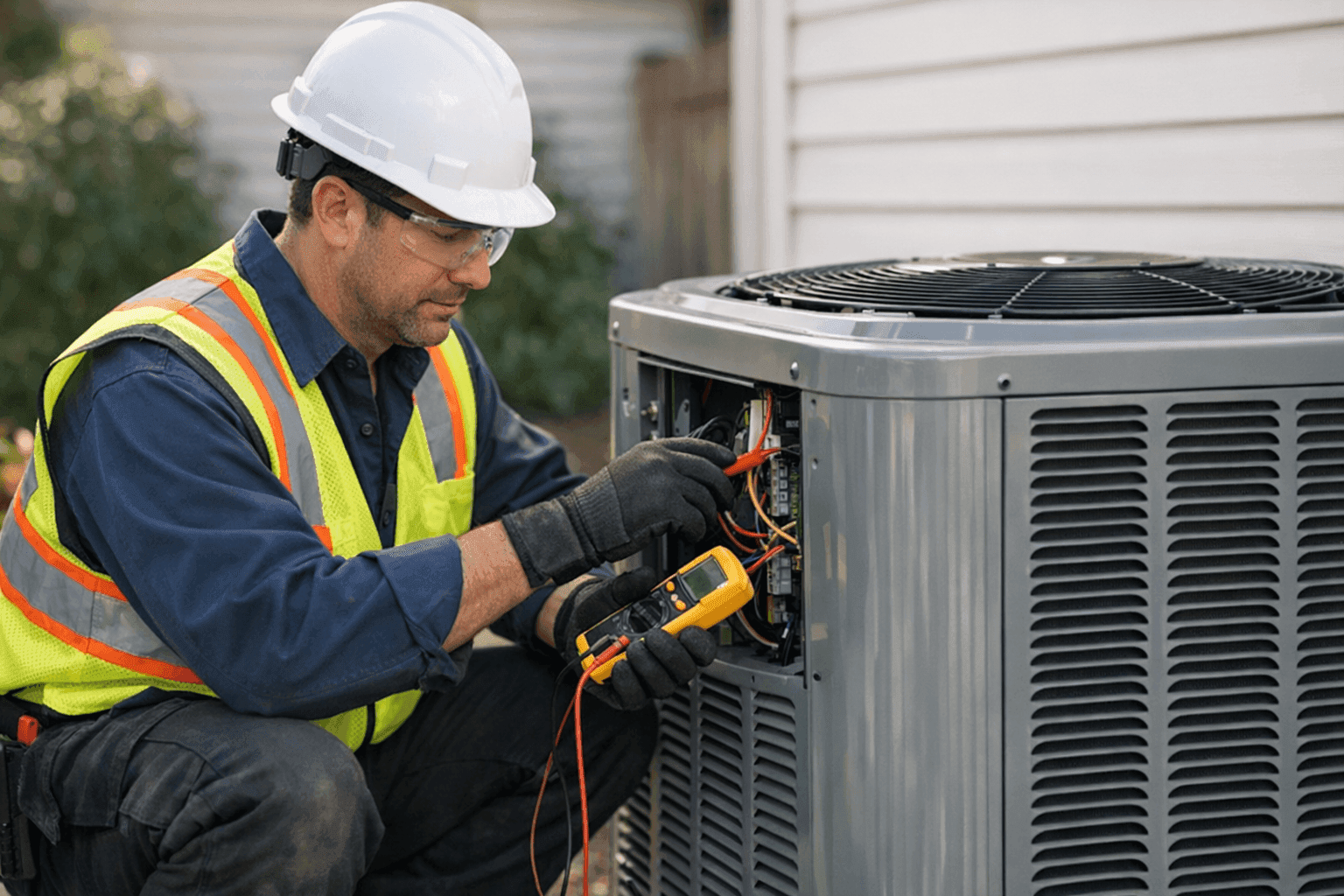
Is your HVAC system ready for another Midwest season? If you’ve ever woken up freezing in February, or come home to a stifling house in July, you know how fast comfort can slip away. At Best Indy HVAC, we know that regular maintenance is the unsung hero of comfort, savings, and safety.
Ignoring your system is like skipping oil changes on your car. It’ll run—until it doesn’t, and then the fix is never cheap or convenient. With our checklist, you’ll know exactly what to do, when to call for help, and how to keep your home (and wallet) happy.
Why Maintenance Matters
Your HVAC system is the heart and lungs of your home. It circulates air, keeps temperatures steady, and filters out dust and allergens. Like any hardworking machine, it needs a little TLC to run at its best.
- Efficiency: Dirty coils and clogged filters force your system to work harder, driving up your energy bills.
- Longevity: Just as regular exercise keeps you healthy, routine maintenance can help your HVAC unit last years longer.
- Safety: Loose wires, gas leaks, or blocked exhausts can turn into serious hazards.
- Warranty: Many manufacturers require annual service records for warranty claims. Skipping tune-ups can cost you big time.
- Comfort: Well-maintained systems heat and cool more evenly, so you’re never stuck with hot or cold spots.
Quick Safety Checklist 🛡️
Before you roll up your sleeves or peek inside your furnace, stop and cover the basics:
- Turn off the power to your HVAC unit at the breaker.
- If you smell gas, leave the house immediately and call your utility company.
- Never remove panels or covers unless you’re sure the power is fully off.
- Wear gloves and eye protection when working around dust, debris, or chemicals.
- Keep children and pets away from all work areas.
For more on safety, you can check recommendations from the U.S. Consumer Product Safety Commission and local building codes.
Seasonal Steps: What to Do Year-Round
Indiana’s weather can swing from ice storms to humid heat waves overnight. Your HVAC system needs different care in every season. Here’s a roadmap for what to tackle—and when.
Spring: Get Ready for Cooling
- Change or clean air filters.
- Clear leaves, grass, and debris from around the outdoor AC unit.
- Check and clean supply vents and return grills.
- Test your thermostat—set it to cooling mode and listen for strange noises.
- Inspect insulation on refrigerant lines.
- Schedule a professional tune-up to check refrigerant, coils, and safety controls: HVAC Maintenance.
Summer: Keep It Running Cool
- Inspect and clean filters monthly (more often with pets or allergies).
- Check condensate drain lines for blockages.
- Look for ice or water pooling around your AC.
- Make sure outdoor units have at least two feet of clearance.
- Use ceiling fans and window coverings to ease the system’s load.
Fall: Prep for Heat
- Replace air filters again.
- Test the thermostat on heating mode.
- Clear the furnace area of stored items.
- Inspect and clean burners, pilot lights, and ignition.
- Schedule a heating system check-up. This is key for safety and performance.
Winter: Stay Warm—and Safe
- Change filters monthly, especially if you’re running heat often.
- Listen for unusual noises—squeaks, bangs, or rattles can be early signs of trouble.
- Check carbon monoxide detectors and replace batteries.
- Keep vents unblocked by furniture, rugs, or snow outside.
- If you notice dry air, consider a humidifier for comfort and efficiency.
Monthly DIY Actions
Not everything needs a pro. Here are tasks you can do to keep things humming:
- Check and replace filters: Dirty filters are the #1 cause of airflow problems. Most homes need a new filter every 1–3 months.
- Wipe down vents and returns: Dust builds up fast and can clog your system.
- Inspect thermostat batteries: Dead batteries can make your HVAC seem broken when it’s just a power issue.
- Listen and look: Odd noises, strange smells, or water leaks? Don’t ignore them.
- Visual checks: Look for rust, corrosion, or loose wires around your equipment.
For more tips on filter care, see our Filters service page.
DIY vs. Professional Tasks 👷
Some maintenance is as simple as vacuuming, but HVAC systems get complicated fast. Here’s when to roll up your sleeves—and when to call an expert.
What You Can Do
- Change filters.
- Clean vents and grills.
- Clear debris from around outdoor units.
- Test thermostats and replace batteries.
- Keep your system’s area tidy.
What Pros Should Handle
- Refrigerant checks and recharges (EPA regulations apply).
- Deep cleaning of coils and blower motors.
- Electrical inspections, tightening, and repairs.
- Combustion analysis and gas leak checks.
- Ductwork inspection and cleaning.
- Annual tune-ups and safety checks.
If you’re not sure, always err on the side of caution. HVAC repairs can be dangerous without the right training and tools.
What the Pros Do When They Arrive
When you book a maintenance visit with Best Indy HVAC, our technician will:
- Inspect and test all safety controls.
- Check refrigerant pressures and temperatures.
- Clean condenser and evaporator coils.
- Test all electrical connections and relays.
- Lubricate motors and moving parts where needed.
- Evaluate system airflow and adjust as needed.
- Review your thermostat programming and settings.
- Inspect and clean drain pans and lines.
- Offer recommendations for improvement or repairs.
Our team follows industry standards and local building codes, including guidelines from the Air Conditioning Contractors of America (ACCA) and the National Fire Protection Association (NFPA) for safety.
Prevention: The Heart of Comfort
Think of regular maintenance as insurance for your comfort. It’s less about fixing what’s broken, and more about stopping problems before they start.
- Annual tune-ups help spot worn parts before they fail in the dead of winter.
- Cleaning coils and blowers keeps your system running at peak efficiency.
- Checking for leaks and corrosion can prevent water damage and mold.
- Keeping your warranty valid means you’re covered if something big goes wrong.
Neglect is the enemy of efficiency. Small investments now save big headaches (and repair bills) later.
Common Mistakes to Avoid ❌
- Forgetting filter changes: The #1 cause of breakdowns is a clogged filter.
- Blocking vents or returns: Furniture, curtains, or boxes can choke airflow.
- Skipping annual service: Even new systems need yearly checkups.
- DIY refrigerant work: It’s illegal and dangerous without certification.
- Ignoring weird sounds or smells: Small issues can turn into big repairs fast.
- Using the wrong filter: Not all filters fit all systems. Check your owner’s manual or ask a pro.
Signs You Need Professional Help
Don’t wait for a total breakdown. Watch for these red flags:
- Strange noises: Grinding, screeching, or banging are never normal.
- Weak airflow: If some rooms are freezing while others roast, something’s off.
- Short-cycling: Rapid on/off cycling wastes energy and stresses your system.
- Ice or water leaks: These often signal a deeper issue.
- Burning smells or electrical odors: Turn off your system and call for help.
- Skyrocketing bills: If your energy costs jump for no reason, your system may be working overtime.
If you see these warning signs, schedule a HVAC Repair visit right away.
Adjusting for Climate and Allergens
Indiana’s weather is a wild ride. From muggy summers to pollen-filled springs and frigid winters, your HVAC system faces year-round extremes.
- Allergy season: Change filters more often when pollen counts are high.
- Humidity swings: In summer, a dehumidifier can keep air comfortable and prevent mold. In winter, a humidifier stops dry air from cracking wood and skin.
- Freezing temps: Make sure outdoor pipes and units are insulated to avoid freeze-ups.
- Storm readiness: Ensure your generator and backup systems are tested and maintained—especially before severe weather.
Need more local tips? Our technicians are part of your community, and know exactly what Indiana homes and businesses need.
How Maintenance Extends System Life
A well-maintained HVAC system can last 15–20 years or more. Neglect it, and you might be looking at a replacement after just 8–10. That’s a big difference in both cost and convenience.
- Regular care prevents wear and tear on motors, belts, and bearings.
- Clean systems run cooler and put less stress on components.
- Early detection of leaks or corrosion can save your home from water or mold damage.
- Professional inspections keep your warranty intact with the manufacturer.
How to Stay on Schedule
Life gets busy. It’s easy to forget about your furnace or AC until it stops working. Here’s how to keep on track:
- Set calendar reminders to check filters every month.
- Schedule tune-ups each spring and fall—before the heavy-use seasons.
- Keep a simple log of service dates and repairs.
- Ask about maintenance plans for automatic reminders and priority service.
Materials and Tools You Need 🧰
For most DIY maintenance, you only need a few basics:
- Replacement filters (check your system size and MERV rating)
- Screwdriver (for vent covers)
- Vacuum with brush attachment
- Flashlight for inspecting coils and wiring
- Gloves and dust mask
Let the pros handle specialized tools, refrigerant gauges, and electrical testers.
Timeline and Disruption
Worried about being stuck at home all day? Most professional tune-ups take 60–90 minutes, with minimal disruption. Filter changes and vent cleaning can be done in a few minutes.
For larger jobs like duct cleaning or system upgrades, your tech will give you a clear timeline and discuss any access needs in advance.
Frequently Asked Questions
How often should I change my filter?
Every 1–3 months, depending on pets, allergies, and filter type.
Do I really need annual service?
Yes. Even new systems benefit from routine checks to keep warranties valid and catch small issues early.
Can I clean my own ducts?
You can vacuum grilles and vents, but deeper duct cleaning needs specialized equipment.
Is HVAC maintenance different for commercial buildings?
Larger systems and higher occupancy mean more frequent filter changes and inspections. Our team is experienced with both residential and commercial needs.
Do smart thermostats help?
Absolutely. They can save money by optimizing run times and providing maintenance reminders.
When It’s an Emergency
Some problems can’t wait. If you notice burning smells, gas leaks, no heat in freezing weather, or water leaks near electrical components, call for emergency service immediately. Our team offers 24-hour support for true HVAC emergencies.
Next Steps: Keep Your System Strong
You don’t have to be an expert to keep your HVAC system healthy. Just a few minutes each month—and a professional checkup twice a year—can keep your home comfortable, safe, and efficient. If you’re ever unsure, don’t guess. Call Best Indy HVAC for honest advice and skilled service.
And if you’re in the Catalina Foothills area and looking for reliable Filters, we’re always nearby to help.
Call Best Indy HVAC now — or reach us anytime at 855-525-5859 .