How to Troubleshoot Common AC Problems Before Calling a Pro
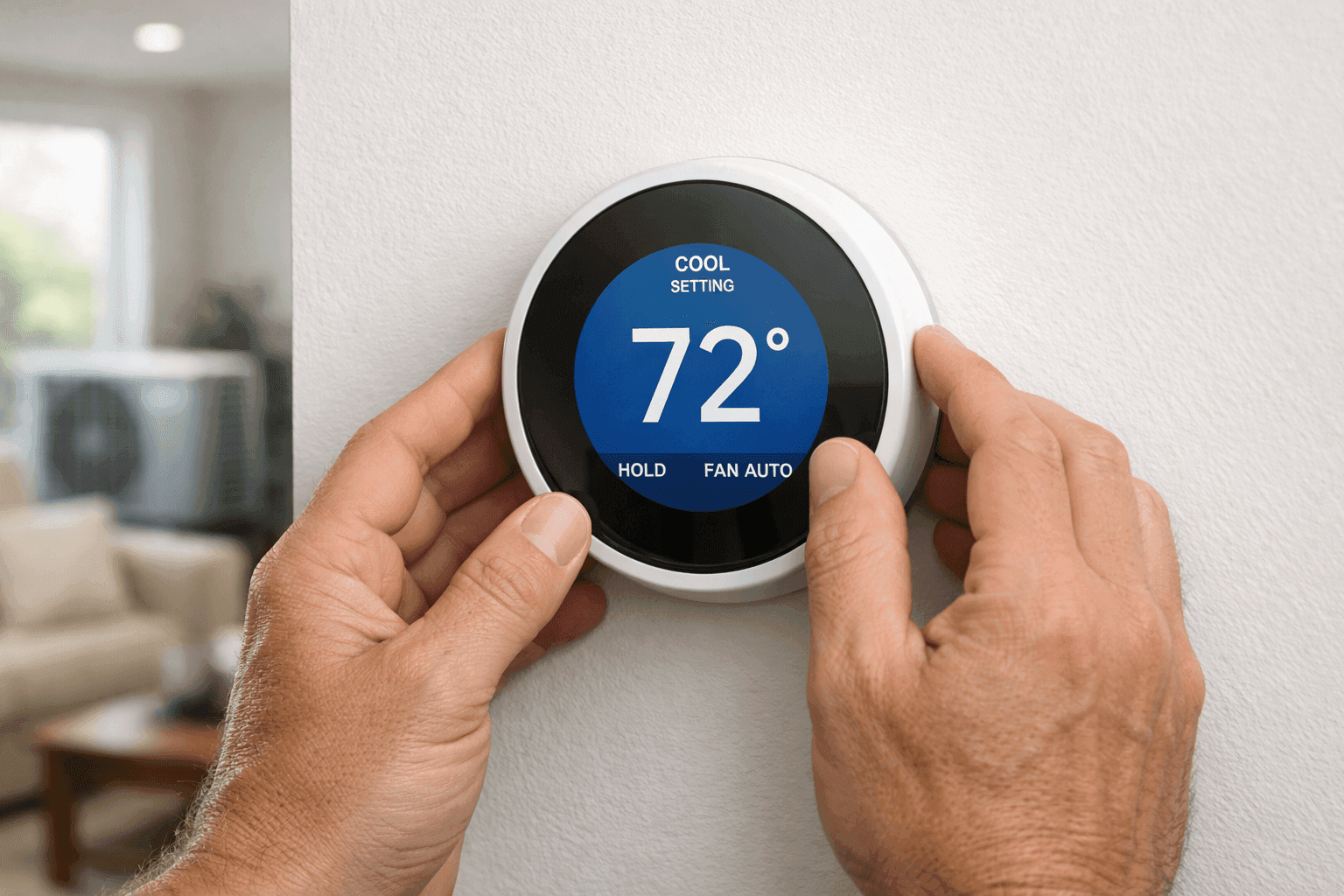
When your AC stops working, it’s like getting stuck in traffic on the hottest day of summer—frustrating, sweaty, and completely out of your control. But before you reach for the phone, there are a few things you can check that could get the cool air flowing again. At Best Indy HVAC, we believe in helping you stay comfortable and confident, even when your air conditioner has other plans.
Let’s walk through the most common AC problems, what you can safely try at home, and—most importantly—when it’s time to let the professionals step in. Your time, money, and safety matter.
Quick Safety Checklist Before You Start 🛑
- Always turn off power at the breaker before opening any panel or touching wiring.
- Don’t attempt repairs on refrigerant lines or electrical components.
- If you smell burning or see sparks, stop immediately and call a pro.
- Keep children and pets away from the work area.
- Use a sturdy ladder and proper tools—no improvising with chairs.
According to the National Fire Protection Association (NFPA), improper DIY electrical work is a leading cause of home fires. When in doubt, sit it out.
The AC Won’t Turn On
Nothing. No hum, no air, no hope. But don’t panic—sometimes the fix is simpler than you think.
Common Causes
- Tripped circuit breaker or blown fuse
- Thermostat settings
- Dead thermostat batteries
- Clogged air filter
- Safety switch triggered (from a full drain pan)
DIY Fixes
- Check the Thermostat: Is it set to “cool”? Are the batteries fresh?
- Inspect the Circuit Breaker: Flip the breaker off, then on again.
- Look at the Air Filter: A dirty filter can block airflow and shut down the system—replace if needed.
- Condensate Drain Pan: If full, some units shut off automatically.
If you’ve checked all these and still get radio silence from your AC, it’s time to call a professional.
Weak or No Airflow
A trickle of air instead of a blast? It’s like sipping a milkshake through a coffee stirrer.
Common Causes
- Clogged or dirty filters
- Blocked or closed supply vents
- Blower motor problems
- Ductwork leaks or disconnections
DIY Fixes
- Replace or Clean Filters: Learn more about filters.
- Open All Vents: Sometimes furniture or drapes block vents—clear the path.
- Check for Visible Duct Disconnections: In attics or basements, look for obvious gaps.
If airflow is still weak, deeper issues like motor failure or duct leaks may require professional tools and expertise.
Unusual Noises from the AC
Is your AC suddenly rattling, buzzing, or squealing? Odd sounds are the AC’s way of crying for help.
Common Causes
- Loose screws or panels
- Debris in the outdoor unit
- Failing fan motor or compressor
- Belt issues in older units
DIY Fixes
- Tighten Loose Screws: On the exterior panels.
- Clear Debris: Turn off power first, then remove leaves or sticks from the outdoor unit.
- Listen Carefully: High-pitched squeals or metal-on-metal grinding mean: stop. These are urgent signals.
Never open the sealed refrigerant or compressor sections. For those, only a licensed hvac contractor in Milford should step in.
Water Leaks or Puddles
A puddle under your AC? That’s not normal, and left unchecked, can lead to mold or water damage.
Common Causes
- Clogged condensate drain line
- Frozen evaporator coil (often from dirty filters)
- Improper installation or sloped drain pan
DIY Fixes
- Flush the Drain Line: You can use a wet/dry vacuum at the drain pipe outlet (usually outside).
- Change the Filter: A dirty filter can cause coils to freeze and drip water.
If leaks persist, or you notice ice on the coils, it’s a sign of a deeper issue.
Uneven Cooling or Hot Spots
Some rooms feel like a freezer, others more like a greenhouse. Uneven cooling is a sign of trouble.
Common Causes
- Blocked vents or registers
- Dirty air filters
- Poorly balanced ductwork
- Thermostat location issues
DIY Fixes
- Ensure All Vents Are Open: Especially in problem rooms.
- Move Heat-Producing Items Away from Thermostats: Lamps and electronics can trick thermostats.
- Try Air Balancing: If you’re comfortable, adjust dampers in the ductwork. But don’t force anything.
Complex duct or airflow problems are best left to pros with specialized equipment.
The Thermostat Isn’t Responding
Thermostat screens blank? Or inputs don’t seem to work? Don’t sweat yet.
Common Causes
- Dead batteries
- Loose wiring (especially after renovations)
- Tripped safety switch
- Outdated or failed thermostat
DIY Fixes
- Replace Batteries: Even smart thermostats need fresh batteries sometimes.
- Gently Check for Loose Wires: But don’t yank or disconnect anything.
- Reboot the Thermostat: Some models have a reset button.
If you need an upgrade, consider a new Thermostats for better control and energy savings.
When to Call a Pro
Some AC issues aren’t just inconvenient—they’re dangerous or require special tools:
- Electrical burning smells or visible sparks
- Hissing or bubbling sounds (possible refrigerant leak)
- Persistent tripped breakers
- Frozen coils that don’t thaw after filter changes
- Water leaks that won’t stop
Calling a licensed HVAC contractor means you get repairs that meet code and protect your warranty. According to the Air Conditioning Contractors of America (ACCA), improper repairs can void manufacturer coverage.
What the Pros Do on Arrival
When a technician from Best Indy HVAC arrives, they’ll:
- Inspect the system with specialized meters and gauges
- Check refrigerant levels (EPA requires certified handling)
- Test for electrical safety and proper voltage
- Examine motors, capacitors, and circuit boards
- Recommend safe, lasting repairs
You get peace of mind knowing the work is thorough and up to national safety codes.
Preventing AC Problems Before They Start
A little attention now saves big headaches later.
- Change air filters every 1–3 months, or more often with pets.
- Schedule yearly HVAC maintenance before summer.
- Keep outdoor units clear of leaves, grass, and debris.
- Use programmable thermostats to avoid overworking your AC.
- Don’t block vents with furniture or curtains.
Regular maintenance means fewer surprises and lower utility bills. For more on proactive care, see our AC Repair page.
Common Mistakes to Avoid
- Ignoring strange noises or smells
- Running the AC with a dirty filter
- DIY electrical repairs without the right training
- Setting the thermostat too low, which can freeze coils
- Skipping annual maintenance
A little prevention goes a long way toward keeping your cool.
Emergency? Here’s When to Act Fast ⚠️
Call for immediate help if:
- Your AC stops during extreme heat (especially with elderly, infants, or health risks in the home)
- You see smoke, sparks, or smell burning
- Water leaks threaten electronics or structure
- The system repeatedly trips breakers
We offer 24-hour emergency service because your safety can’t wait.
Seasonal Considerations
Spring and fall are the best times for a home energy audit or HVAC tune-up. Don’t wait until the first heatwave—by then, HVAC companies are booked solid, and small problems can become big ones.
FAQ: Quick Answers to Common AC Questions
How often should I change my filter?
Every 1–3 months, depending on pets, allergies, and usage.
What temperature should I set my thermostat?
78°F in summer is efficient and comfortable for most homes.
Can I clean my outdoor unit myself?
Yes—gently hose off dust and leaves, but never use high pressure or poke with tools.
What’s the average lifespan of a home AC?
About 10–15 years with proper maintenance.
Conclusion: Save Time, Money, and Stress
A little troubleshooting can go a long way. By checking your filter, thermostat, and breaker, you might solve simple problems and avoid unnecessary calls. But when the issue is bigger—or safety is a concern—rely on Best Indy HVAC. We’re here for both the quick fixes and the big repairs.
Call Best Indy HVAC now — or reach us anytime at 855-525-5859 .