Furnace Repair Guide: Diagnosing Heating Issues Fast
No one wants to wake up shivering on a freezing morning—especially when the cold seeps into every corner of your home or business. Furnace trouble always seems to strike at the worst possible moment. If you’re reading this, you need answers now.
At Best Indy HVAC, we know heating emergencies can’t wait. That’s why we’ve put together this actionable guide to troubleshooting your furnace fast—so you can get the heat (and peace of mind) flowing again.
Common Symptoms: What Your Furnace Is Telling You ❄️
Before you can fix the problem, you have to read the signs. Think of your furnace like a car—when it acts up, it’s trying to tell you something. Here are the most common “messages”:
- No heat at all: The system is running, but the air is cold—or nothing happens when you turn up the thermostat.
- Intermittent heat: The furnace starts and stops, or heats only sometimes.
- Strange noises: Banging, rattling, or high-pitched squealing can signal mechanical issues.
- Faulty ignition: The furnace clicks but doesn’t light, or the pilot goes out repeatedly.
- Short cycling: The furnace turns on and off rapidly, never really warming the space.
- Burning smell: That first whiff of “hot dust” is normal for the season, but ongoing odors mean trouble.
Sound familiar? Let’s get to work.
Quick Safety Checklist: Stay Safe First
Furnaces mix electricity, gas, and heat. Think of it like handling a hot stove—rushing in is never safe. Always start with these basics:
- Check for gas smells: If you detect rotten egg odor, leave immediately and call your utility provider. Safety first.
- Turn off power: Before inspecting or touching any furnace components, switch off the breaker.
- Ventilation matters: Never block air return vents or exhaust outlets.
- Read your manual: Every furnace is unique. The owner’s manual is your roadmap.
For more, reference the [U.S. Consumer Product Safety Commission] and your local building codes.
DIY Checks: Fast Fixes Before You Call
Sometimes, a simple fix is all it takes. Here are the top things to check before calling in the cavalry:
1. Thermostat Settings
Is your thermostat set to “Heat”? Is the temperature above the current room temp? Sometimes, it’s as simple as a bumped dial or depleted batteries.
2. Circuit Breaker
Head to your main panel. Is the furnace breaker tripped? Flip it off and back on. If it trips again, stop—this could mean a deeper electrical issue.
3. Air Filter
A clogged filter is like a stuffy nose for your furnace. If you haven’t changed it in a while, swap it out. This can restore airflow and prevent overheating.
You can learn more about filter replacement and indoor air quality on our filters page.
4. Furnace Door/Panels
Some modern furnaces have safety switches that cut power if panels aren’t closed tightly. Check that all access doors are snug.
5. Pilot Light or Ignition
Older systems may have a standing pilot. If it’s out, follow the relight instructions in your manual. For electronic ignitions, listen for clicks—no sound may mean the igniter is faulty.
When to Call a Pro: Knowing Your Limits 🛠️
If you’ve worked through the quick checks and the furnace still refuses to cooperate, it’s time to call in a skilled technician. Here’s when DIY ends and professional help begins:
- Gas leaks: Always leave this to licensed pros.
- Repeated breaker trips: This signals deeper electrical trouble.
- Strange noises persist: Humming or banging may mean a cracked heat exchanger, blower issues, or failing bearings.
- Burning smells last longer than an hour: Don’t ignore persistent odors.
- No ignition: If the igniter or flame sensor is faulty, specialized tools and parts are needed.
- Error codes: Many modern furnaces display blinking lights or codes—these require technical expertise to interpret and repair.
Best Indy HVAC offers furnace repair and 24-hour emergency service for just these moments.
What Pro Technicians Do on Arrival
Ever wondered what happens when you call in the experts? Here’s a peek behind the curtain:
- Inspection: We check power, gas supply, and thermostat wiring.
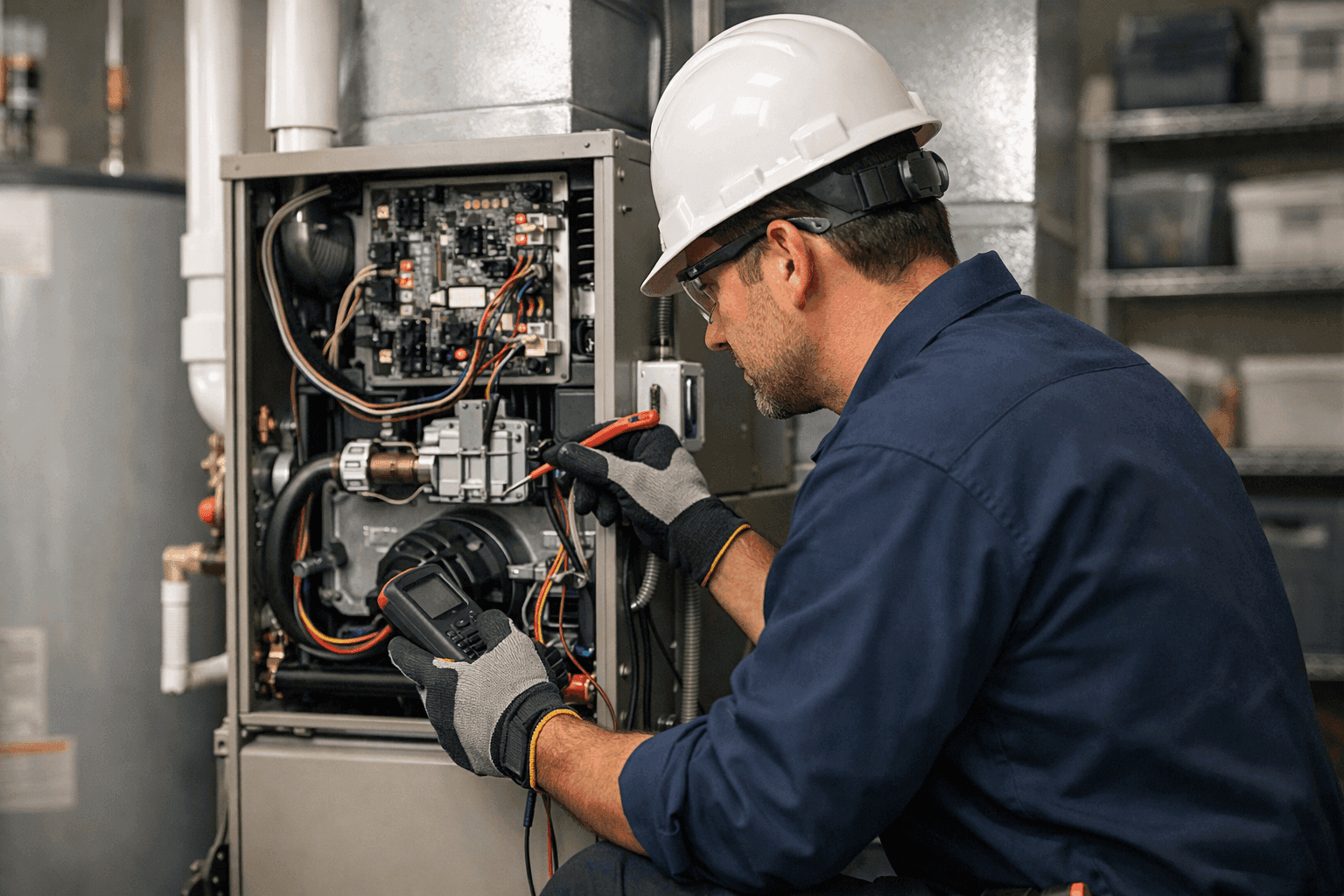
- Diagnostic testing: Using multimeters and combustion analyzers, we pinpoint failed components.
- Code checks: Technicians read error codes and reset systems as needed.
- Mechanical checks: We test blower motors, belts, and safety switches.
- Airflow analysis: Ductwork and filters are inspected for blockages or leaks.
- Warranty protection: Repairs are performed to code, protecting your equipment’s warranty.
Preventing Future Issues: Maintenance Matters 🧰
A furnace is like a trusty old truck—it needs regular tune-ups to keep rolling. Here’s how to avoid the most common breakdowns:
- Change filters every 1–3 months. Dirty filters are the #1 culprit for overheating and airflow issues.
- Schedule annual maintenance. Professional cleaning, inspection, and testing spot trouble before it becomes an emergency.
- Keep vents clear. Blocked vents can strain your system and reduce efficiency.
- Upgrade your thermostat. Old or malfunctioning thermostats cause false readings and erratic heating.
Looking for a thorough checkup? Explore our heating repair and maintenance services.
When It’s an Emergency: Don’t Wait
In Westfield and throughout Central Indiana, cold snaps hit hard and fast. If your furnace goes out during a deep freeze, the urgency is real. Prolonged outages can lead to:
- Frozen pipes
- Unsafe indoor temperatures
- Risk to vulnerable family members or pets
If your situation is urgent, Best Indy HVAC offers 24-hour support and fast response. For more information, visit our Furnace Repair page.
Seasonal Considerations: Indiana Winters Demand Action
The Midwest is legendary for sudden temperature swings. In early fall, test your system before the first deep chill. That way, you’ll avoid the rush of emergency calls when the first frost hits.
Remember: furnaces that sit idle all summer can develop issues unnoticed until they’re needed most.
Common Mistakes: What Not to Do
- Don’t ignore warning signs: That “minor” rattle or smell can lead to major repairs.
- Don’t tape over vents: It seems like a quick fix, but it chokes off your system.
- Don’t skip filter changes: Out of sight shouldn’t mean out of mind.
- Don’t attempt gas repairs yourself: Leave gas lines and combustion work to the pros.
Signs of Trouble: When Your Furnace Is Crying for Help
- Frequent cycling: May indicate overheating, bad sensors, or blocked airflow.
- Cold spots in rooms: Could be ductwork leaks or an undersized system.
- Sudden spike in utility bills: Often means your furnace is working overtime due to a hidden issue.
Timeline & Disruption: How Long Will It Take?
Minor fixes—like filter replacement or thermostat checks—can take just minutes. More serious repairs (blowers, igniters, or heat exchangers) may require ordering parts, but most issues are resolved within a few hours. Our techs work efficiently to minimize downtime and restore comfort.
Materials and Equipment: What You’ll Need for DIY Checks
- Fresh filters (check your furnace size)
- Flashlight
- Screwdriver (for panels)
- Batteries (for thermostat)
- Owner’s manual
For anything beyond these basics, specialized tools and training are required.
Cost & Time Factors: What to Expect
DIY fixes are often free or low-cost. Professional repairs vary based on parts and labor. Always ask for a clear estimate up front. Emergency calls or after-hours service may add to the cost, but peace of mind in a cold snap is priceless.
Geothermal & Modern Options: Thinking Beyond the Old Furnace
If you’re facing repeated breakdowns, it may be time to consider an upgrade. Modern options—like high-efficiency furnaces or Geothermal near you—offer better comfort and lower energy bills over time. Ask us about system replacements and energy audits if your current furnace is past its prime.
FAQ: Your Furnace Questions Answered
How often should I change my furnace filter?
Every 1–3 months, more often if you have pets or allergies.
Is a burning smell normal when I first turn on the heat?
A brief odor is normal as dust burns off, but it should fade quickly.
Is it safe to relight my own pilot light?
Yes, if you follow your manual’s instructions and don’t smell gas. Otherwise, call a pro.
Can I run my furnace if the filter is dirty?
Technically yes, but it can cause overheating and permanent damage.
Take Action—Stay Warm and Safe
Heating issues can go from minor annoyance to emergency in a flash—especially during Indiana’s coldest months. If you’re unsure or the fix isn’t working, don’t wait.
Call Best Indy HVAC now — or reach us anytime at 855-525-5859 .