Air Purifiers vs Air Scrubbers: Key Differences Explained
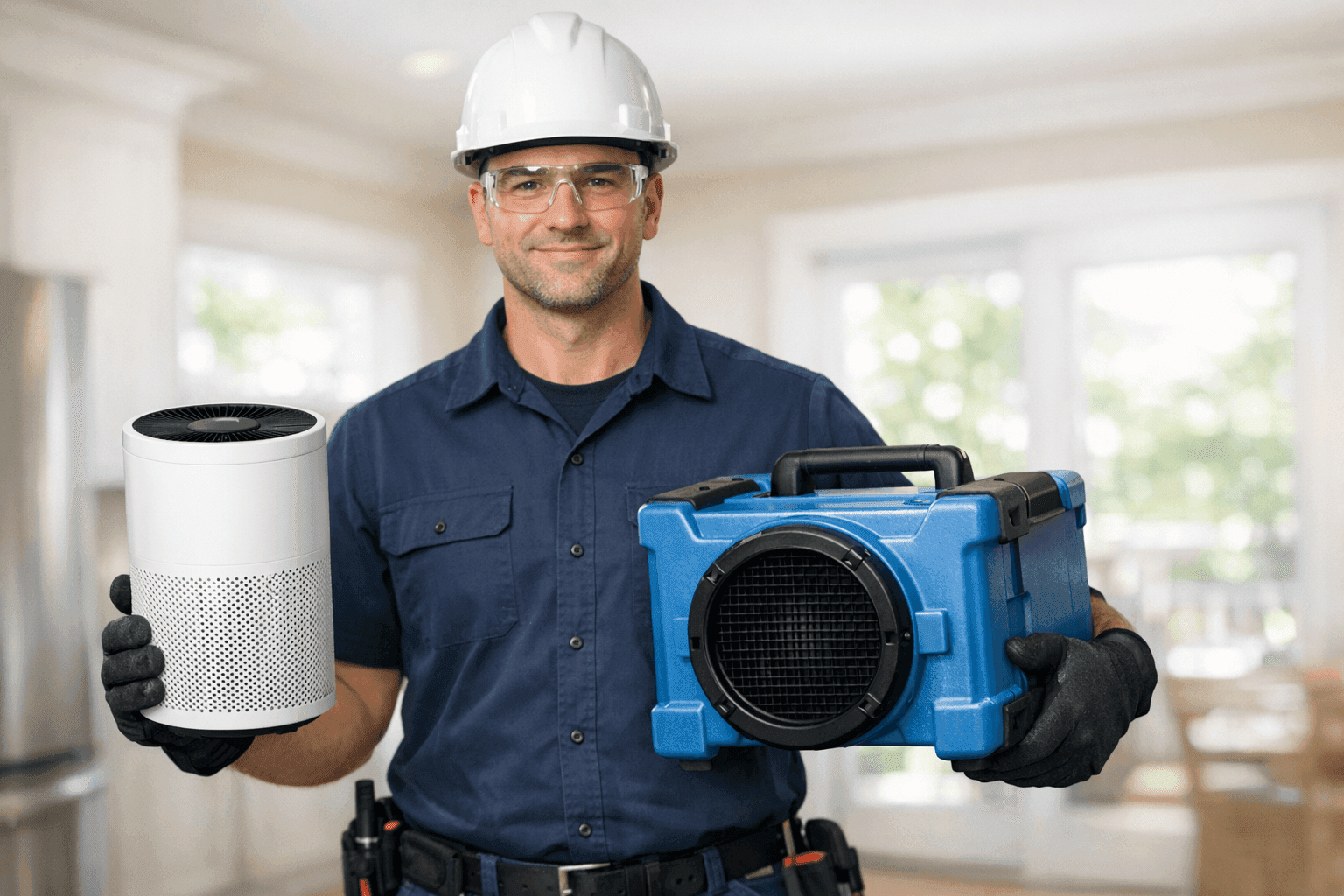
Is your home’s air really as clean as it could be? If you’re like most folks, you’ve wondered if the right technology could protect your family or business from allergens, germs, and air pollution. But with so many devices out there—air purifiers, air scrubbers, and more—it’s easy to get lost in the fog.
At Best Indy HVAC, we field questions every week about which system actually works best. Let’s break through the haze and give you clear, honest answers that make sense for your space.
Air Purifiers vs Air Scrubbers: What’s the Real Difference? 🛠️
The terms sound similar, but the technology under the hood is very different. Think of air purifiers like a high-quality filter on your morning coffee. They trap particles as the air passes through. Air scrubbers, on the other hand, are more like a self-cleaning oven: they actively seek out and neutralize contaminants, even on surfaces.
Before you invest, it helps to know what’s happening at the microscopic level.
How Air Purifiers Work: Filtering the Air
Most air purifiers use mechanical filters—usually HEPA (High-Efficiency Particulate Air)—to capture dust, pet dander, pollen, and smoke. Some combine filters with activated carbon to absorb odors or VOCs (volatile organic compounds).
- Air is pulled through the filter
- Particles get trapped
- Clean air is pushed back into the room
HEPA filters, as recognized by the EPA, can trap particles as small as 0.3 microns with 99.97% efficiency. That’s great for allergies, but it only works on what passes through the filter.
How Air Scrubbers Work: Whole-House Cleaning
Air scrubbers go a step further. They’re often installed directly into the ductwork of your hvac system. Instead of just filtering, they use UV light, ions, or other advanced oxidation technologies to actively neutralize contaminants.
- Microbes, bacteria, and viruses in the air and on surfaces? Neutralized.
- Odors and chemical fumes? Broken down at the molecular level.
Some air scrubbers even release charged particles or oxidizers that travel throughout the building, cleaning more than just the air moving through your ducts.
Key Benefits of Air Purifiers
Why choose an air purifier? Here’s what makes them appealing:
- Easy to set up—most are plug-and-play
- Effective for single rooms or smaller spaces
- Great for allergy and asthma sufferers
- Visible results—dust in the filter is proof it’s working
Still, they’re only as effective as the square footage they cover. Whole-house issues? You’ll need more power.
Key Benefits of Air Scrubbers
Air scrubbers shine when you want bigger, broader protection:
- Treat both air and surfaces
- Work throughout your entire home or business
- Reduce odors, VOCs, and even some viruses and bacteria
- Usually require less frequent maintenance
Because they’re installed in your hvac system, you get coverage in every room—without needing a separate device for each space.
Technology Showdown: Filters vs. Active Cleaning
Air purifiers rely on filters to remove contaminants as air passes through. This works great for particles like dust, pollen, and pet hair.
Air scrubbers, though, use active processes—like UV light, ionization, or catalytic reactions—to break down or neutralize contaminants. This means they can address things filters can’t catch, like bacteria on doorknobs or lingering odors in soft furniture.
If you picture an air purifier as a net, then an air scrubber is a cleanup crew that goes out looking for trouble.
Performance: Which Is More Effective?
The effectiveness depends on your goals. For airborne allergens, a high-quality HEPA air purifier can make a room feel fresh and breathable. For broader threats—like viruses, bacteria, mold spores, or persistent odors—air scrubbers pull ahead.
In research supported by the CDC, technologies used by air scrubbers (like UV-C light) have been shown to reduce certain pathogens in the air and on surfaces. That’s why you’ll find air scrubbers in hospitals and schools.
Maintenance Needs: What’s Involved?
- Air purifiers: Require regular filter changes (every 3-6 months, depending on use and manufacturer). Forgetting this step? Efficiency drops fast.
- Air scrubbers: Some require annual bulb or cell replacement, but most need less hands-on care since they’re hardwired into your hvac system.
Always check manufacturer guidelines or consult a licensed professional for safe practices.
DIY or Professional Installation?
- Air purifiers: Most are simple enough for DIY setup. Just unpack, plug in, and follow the instructions.
- Air scrubbers: Because they connect to your hvac system, installation is best left to certified technicians. This ensures code compliance, safety, and proper performance.
If you’re considering a whole-house solution, talk to the pros—incorrect installation can create more problems than it solves.
When to Use an Air Purifier
Choose an air purifier if:
- You want to target a single room (like a bedroom or office)
- You’re renting and can’t install permanent equipment
- Allergies or dust are your main concern
- Portability matters to you
They’re a practical pick for quick fixes or small spaces.
When to Use an Air Scrubber
Consider an air scrubber if:
- You want to improve air and surface quality throughout your home or business
- You’re fighting odors, germs, or mold
- Your building already has central hvac
- You want a “set it and forget it” solution
Air scrubbers are ideal for families, businesses, and anyone looking for broad-spectrum protection.
Common Mistakes to Avoid
- Neglecting filter changes or maintenance
- Overestimating the coverage area of a single device
- Installing a whole-house system without professional help
- Ignoring manufacturer instructions
Small mistakes can lead to big headaches down the line.
Signs Your Indoor Air Needs Help
Not sure if you need extra filtration or scrubbing? Watch for:
- Persistent dust buildup, even after cleaning
- Stale or musty odors
- Allergy symptoms that don’t improve indoors
- Visible mold or water damage
- Frequent illness in the household
If you notice these, it’s time for a closer look—or even a Home Energy Audit.
Timeline & Disruption: What to Expect
- Air purifiers: Immediate results, little to no disruption.
- Air scrubbers: Installation takes a few hours, but once in place, you might not notice anything except cleaner air.
For businesses, we recommend scheduling installation during off-hours to minimize downtime.
Practical Tips for Getting the Most from Your System
- Place air purifiers away from walls and obstructions for maximum airflow
- Replace filters or UV bulbs on schedule
- Consider combining methods for layered protection
- Schedule regular hvac maintenance
- Keep an eye on local air quality alerts, especially during wildfire season
For official guidance, see resources from the EPA and the American Society of Heating, Refrigerating and Air-Conditioning Engineers (ASHRAE).
Costs & Value: What’s the Bottom Line?
- Air purifiers: Range from $100–$1,000+ depending on size and features
- Air scrubbers: $500–$2,500 installed, but cover your whole property
Factor in long-term filter costs and maintenance. Sometimes, investing up front in a better system saves money—and hassle—over time.
Seasonal Considerations
- Allergy season? Start using your system before pollen counts rise.
- Winter? Indoor air can get stale—keep systems running to manage humidity and particles.
- Summer? High humidity means mold risk; combine with dehumidifiers or air scrubbers for best results.
Air Quality for Businesses: Special Considerations
Commercial spaces see more foot traffic and germs. Air scrubbers help protect customers and staff, boost comfort, and may even help you meet OSHA or ASHRAE standards.
For specialized needs—like restaurants or industrial kitchens—ask about hood & exhaust installation or ventallation upgrades.
Real-World Results: What Our Customers Notice
After installing air scrubbers, our customers report:
- Less dust on surfaces
- Fewer allergy symptoms
- Odors disappear—fast
- Peace of mind, knowing their air is cleaner
It’s not magic. It’s the right technology, installed the right way.
Still Unsure? Ask the hvac Specialists
Choosing between an air purifier and an air scrubber isn’t one-size-fits-all. If you’re in doubt, reach out to the hvac specialists at Best Indy HVAC. We’ll listen, inspect, and recommend what truly fits your needs.
Ready to breathe easier? Call Best Indy HVAC now — or reach us anytime at 855-525-5859 .