How Air Scrubbers Improve Indoor Air Quality and Health
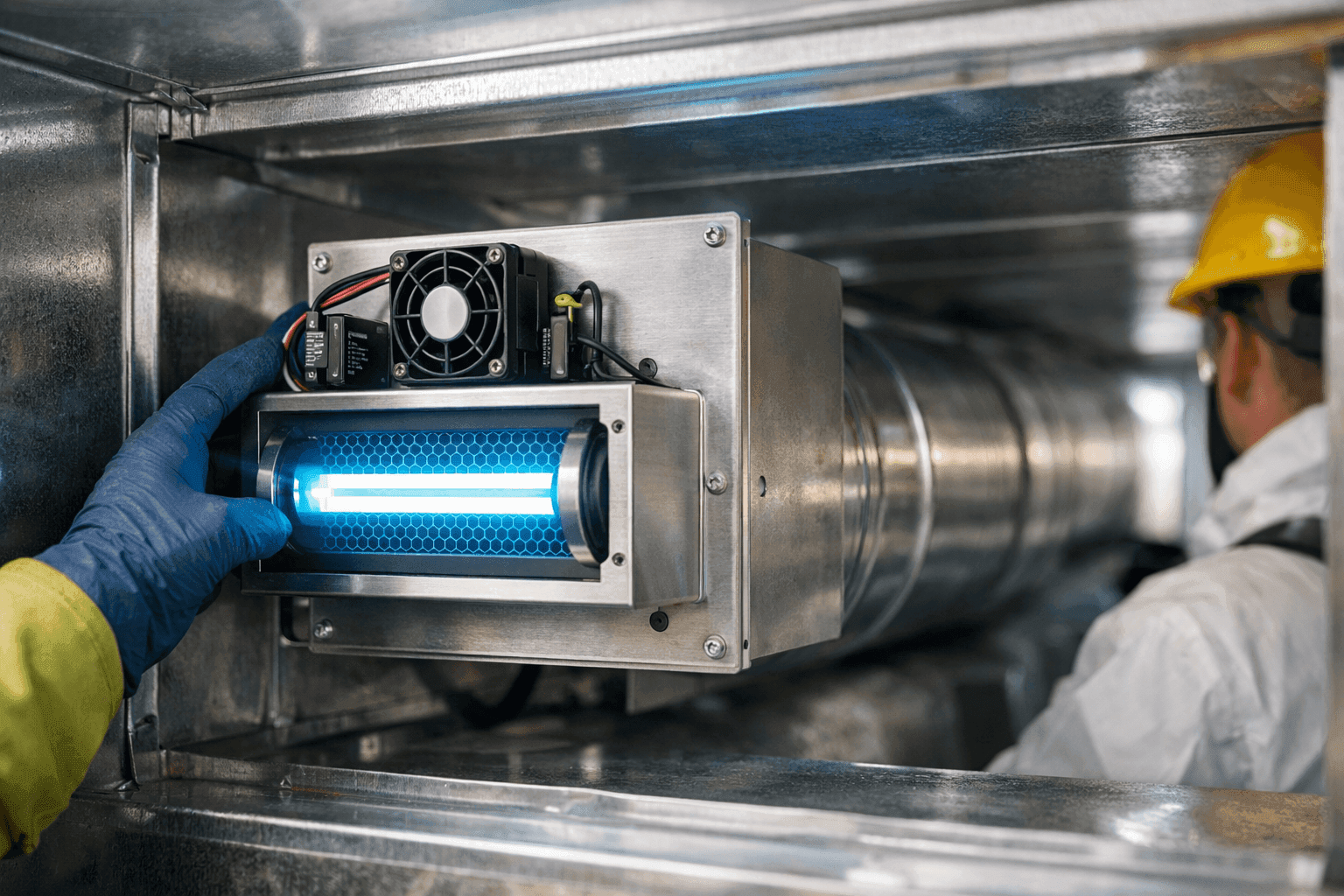
When you step inside your home or workplace, the last thing you want to worry about is breathing invisible threats. Yet, air pollution doesn’t just exist outside—dust, pollen, pet dander, and germs can quietly build up indoors. If allergies, asthma, or frequent sniffles seem to follow you around, you’re not alone.
At Best Indy HVAC, we’ve seen how much of a difference the right indoor air solutions can make. One technology stands out: air scrubbers. They’re not just another filter. Let’s break down what they are, how they work, and why they’re becoming a must-have for healthier living and working spaces.
What Are Air Scrubbers? 🌀
Think of an air scrubber as a cleaning crew for your air. Unlike standard filters that simply trap particles, air scrubbers actively seek out and neutralize contaminants—right down to microscopic viruses and bacteria.
Air scrubbers are devices installed within your HVAC system, working silently behind the scenes. They’re designed to reduce airborne and surface pollutants, helping you breathe easier at home or in commercial spaces.
Air Scrubbers vs. Standard Filters
- Filters: Like a net, they catch dust and pollen as air flows through your HVAC.
- Purifiers: These often use UV light or HEPA filtration to capture or destroy certain particles.
- Air Scrubbers: Not only trap, but also actively break down contaminants, neutralizing them even on surfaces.
In short, air scrubbers go beyond what filters and basic purifiers can do.
How Do Air Scrubbers Work?
Imagine a bouncer at a club, but for your air. Air scrubbers use advanced technologies to target pollutants both in the air and on surfaces.
Active vs. Passive Technologies
- Passive: Think of standard filters—air passes through, and particles get caught.
- Active: Air scrubbers generate molecules (like ions or oxidizers) that travel with the air, seeking out pollutants to neutralize them wherever they land.
Most modern air scrubbers use a combination of:
- Photocatalytic oxidation (PCO): Uses UV light and a catalyst to break down pollutants.
- Ionization: Charges particles so they clump together and can be trapped or drop out of the air.
- Ozone-free oxidizers: Some air scrubbers use oxidizers that are safe for indoor environments and help break down germs and odors.
According to the Environmental Protection Agency (EPA), active air cleaning technologies can be effective at reducing certain airborne contaminants, especially when used alongside traditional filtration.
Key Benefits for Health and Comfort
It’s not just about cleaner air. It’s about feeling better in your own space.
- Reduces Allergens: Dust mites, pollen, pet dander—all targeted and broken down, supporting those with allergies.
- Controls Asthma Triggers: Helps lower airborne irritants that can trigger asthma attacks.
- Neutralizes Germs and Viruses: Air scrubbers can help reduce the spread of cold, flu, and even some viruses by deactivating microbes on surfaces and in the air.
- Removes Odors: Smoke, pet smells, lingering food odors—air scrubbers neutralize them, not just mask them.
- Protects HVAC Equipment: By reducing buildup in your system, air scrubbers can even help your HVAC run more efficiently.
Multiple studies, including guidance from the American Society of Heating, Refrigerating and Air-Conditioning Engineers (ASHRAE), recommend improving indoor air quality (IAQ) as a strategy for healthier buildings.
When Should You Consider an Air Scrubber?
Some situations make air scrubbers especially valuable:
- Allergy or Asthma Sufferers: If symptoms persist even after cleaning and regular filter changes.
- Homes with Pets: Dander and odors can accumulate quickly.
- High Traffic or Commercial Spaces: More people means more germs and pollutants.
- During Cold/Flu Season: Added protection when viruses are circulating.
- After Renovations: Construction dust and VOCs can linger for months.
If you’re searching for “Geothermal near you” or considering Indoor Air Quality upgrades, air scrubbers are a powerful addition.
Air Scrubber Installation: What to Expect
Installing an air scrubber usually means integrating it directly into your existing HVAC system. Here’s what the process looks like with a professional:
- Assessment: A technician evaluates your system, airflow, and IAQ needs.
- Sizing and Selection: The right unit is chosen based on your square footage and concerns.
- Installation: The device is mounted in your ductwork, typically near your furnace or air handler.
- Testing: The system is tested to ensure proper operation.
Most installations take just a few hours, with little disruption to your day.
Maintenance Tips for Peak Performance
Like any HVAC upgrade, air scrubbers need some attention to work their best.
- Regular Filter Changes: Air scrubbers work alongside your filters—replace them as recommended.
- Annual Inspection: Have a pro check the device during routine HVAC maintenance.
- Monitor Indicator Lights: Many units have lights that signal when service is needed.
- Keep Ducts Clean: Consider periodic duct cleaning for optimal airflow and performance.
Following manufacturer guidelines and having your system checked annually helps keep air scrubbers running smoothly.
DIY vs. Professional Installation
While some air purifiers are plug-and-play, air scrubbers are a different story. They require integration with your ductwork and electrical system. Incorrect installation can reduce their effectiveness or even cause HVAC issues.
It’s safest—and often required by code—to have a licensed HVAC technician handle the job. This ensures proper airflow, electrical safety, and warranty protection.
What Do Pros Do on Arrival?
When a Best Indy HVAC specialist arrives, here’s what you can expect:
- Discuss Your Concerns: Allergies, odors, dust buildup—every space is unique.
- Evaluate Your System: The tech will check your existing HVAC, ductwork, and filters.
- Recommend Solutions: Based on your needs, they’ll suggest the best air scrubber model and any related upgrades.
- Install Safely: All work is done to code, with attention to long-term reliability.
Common Mistakes to Avoid
- Neglecting Maintenance: Dirty filters or a clogged device can make things worse.
- Wrong Size or Type: An oversized unit can cause airflow issues; undersized won’t clean effectively.
- Skipping Professional Help: DIY shortcuts can void warranties and risk system damage.
Air Scrubbers and Code/Safety Guidelines
Always choose an air scrubber that’s certified to meet UL, CSA, or ETL safety standards. The EPA and ASHRAE offer guidance on IAQ improvements and recommend working with certified professionals.
Signs Your Air Scrubber Needs Attention
- Persistent Odors: Lingering smells may mean the unit isn’t functioning.
- Dust Buildup: If you notice more dust, it may be time for cleaning or service.
- Indicator Lights: Don’t ignore red or blinking lights on the device.
- Worsening Allergies: If symptoms return, schedule a maintenance check.
Timeline & Disruption: What to Expect
Most air scrubber installations take less than half a day. You can stay in your home or business during the work. There may be brief HVAC downtime, but there’s rarely any major disruption.
Air Scrubbers vs. Whole-House Fans and Dehumidifiers
While air scrubbers target pathogens and pollutants, other IAQ upgrades like whole-house fans and dehumidifiers tackle temperature and moisture. For the best results, combine solutions tailored to your needs.
FAQ: Air Scrubbers for Home and Business
Do air scrubbers make a difference in older homes?
Absolutely. Older homes often have more dust and hidden contaminants.
Are they safe for pets and children?
Most air scrubbers are designed for everyday safety; always choose certified models.
Can air scrubbers help during wildfire season or high pollen counts?
Yes—by reducing both particulate matter and odors, they offer extra protection when outdoor air is poor.
Seasonal Considerations
Spring and fall are ideal times to upgrade IAQ systems, before peak allergy or cold seasons hit. But air scrubbers benefit your space year-round.
Costs & Value
Upfront costs vary by model and system size. While it’s an investment, many clients notice fewer sick days, less cleaning, and better comfort—adding value to both home and business environments.
Air Scrubbers: A Smart Upgrade for Healthier Living
If you’re weighing options for cleaner, healthier indoor air, air scrubbers are worth considering. They offer protection that goes beyond standard filters, helping you breathe easier—literally and figuratively.
For more on Filters and how they work with air scrubbers, or to see how our hvac company can support your IAQ goals, reach out today.
Call Best Indy HVAC now — or reach us anytime at 855-525-5859 .