Common HVAC Myths: What Homeowners Need to Know
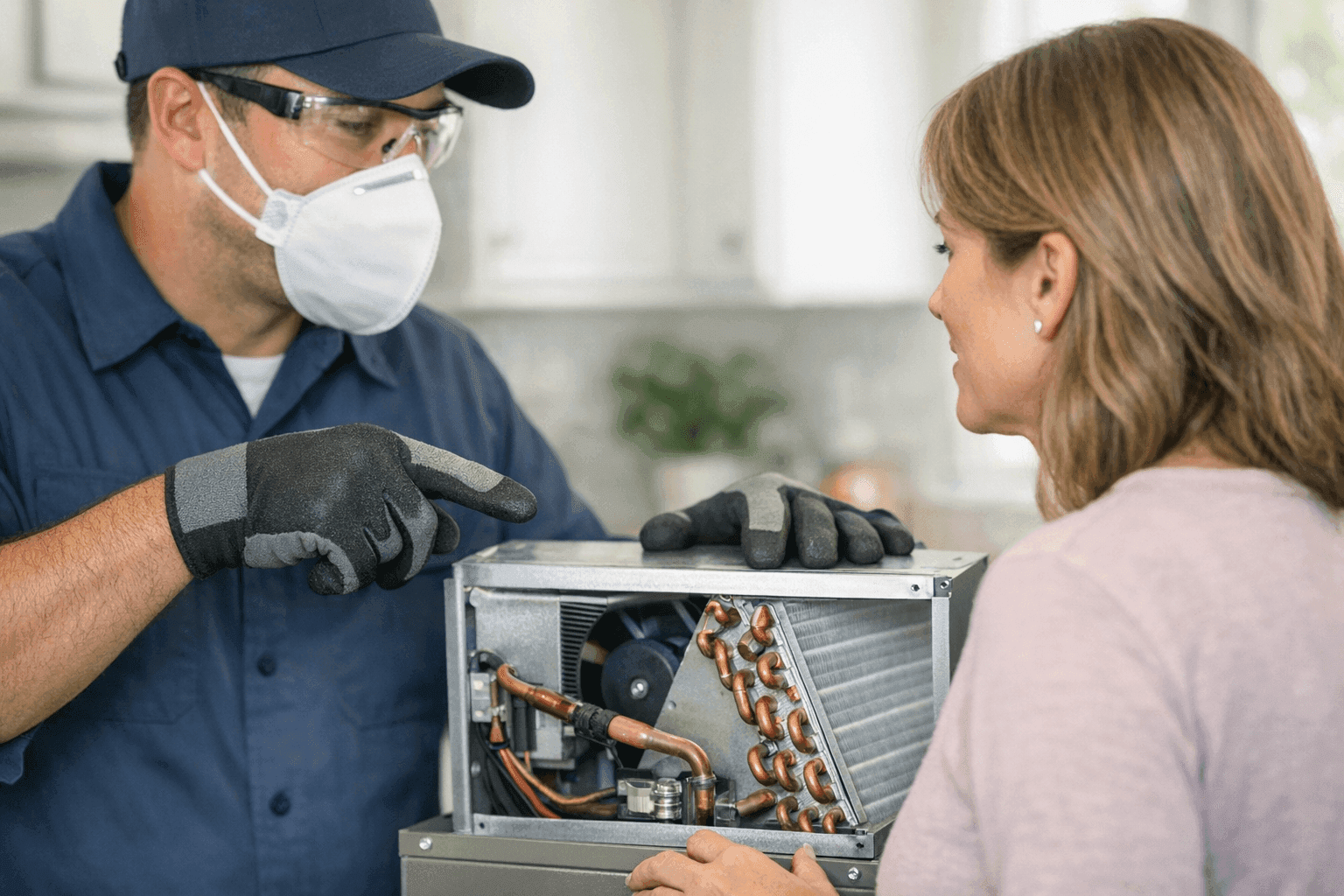
Is your home as comfortable as it could be? Or are you following advice that’s more myth than fact? At Best Indy HVAC, we’ve seen it all—from well-meaning but mistaken tips to costly DIY efforts that lead to bigger headaches. The truth is, what you don’t know about HVAC can cost you.
You deserve comfort, efficiency, and peace of mind. That starts with knowing what’s real and what’s just a myth. Let’s pull back the curtain on the most common HVAC myths we hear every day.
Myth #1: Bigger HVAC Systems Mean Better Comfort
It seems logical—bigger must be better, right? But in HVAC, size is not everything.
Why This Myth Persists
People imagine a larger furnace or AC will power through cold snaps or heat waves. The reality? Oversized systems cycle on and off too quickly. This “short cycling” means your system never runs long enough to filter air or remove humidity—leaving rooms muggy, drafty, and less comfortable.
The Real Fix
A right-sized system, calculated by a professional using Manual J load calculations (as recommended by the Air Conditioning Contractors of America), will keep your space comfortable, efficient, and healthy. If you’re considering upgrades—like Geothermal—ask for a professional assessment before making a decision.
Myth #2: Closing Vents in Unused Rooms Saves Energy 🛑
You might think shutting vents reduces energy costs. Unfortunately, your HVAC doesn’t work like a garden hose you can pinch off.
Expert Explanation
HVAC systems are designed for balanced airflow. Closing vents increases pressure in the ducts, causing leaks and forcing the blower to work harder. Over time, this leads to higher bills—and can even damage your equipment.
What To Do Instead
Seal ductwork, add insulation, and use programmable thermostats to manage temperature zones efficiently. According to ENERGY STAR, zoning and proper maintenance are far more effective for savings.
Myth #3: Maintenance Isn’t Necessary Unless Something Breaks
Out of sight, out of mind? Not with HVAC. Skipping maintenance is like skipping oil changes for your car—you might get by for a while, but trouble is brewing under the hood.
Why Maintenance Matters
Regular tune-ups catch small issues before they become big repairs. They also keep your system efficient, extend its lifespan, and protect your indoor air quality. The National Air Duct Cleaners Association (NADCA) recommends annual professional inspections, including filter changes and duct cleaning.
Pro Tip
Schedule seasonal Geothermal to keep everything running smoothly. Don’t wait for a breakdown.
Myth #4: Air Filters Only Need Changing Once a Year
If you only change your filter once a year, you’re not alone—but your HVAC system is suffering.
The Facts
Dirty filters restrict airflow, making your system work overtime. This means higher energy bills and more wear and tear. For most homes, changing filters every 1–3 months is recommended. If you have pets or allergies, check even more often.
Safety Guidelines
Always use filters with the correct MERV rating for your system. Refer to your owner’s manual or consult a licensed hvac technician.
Myth #5: HVAC Systems Only Affect Temperature
Think your system just heats and cools? Think again.
Indoor Air Quality: The Overlooked Factor
Your HVAC also manages humidity, air cleanliness, and even reduces airborne allergens. Poorly maintained systems can contribute to unhealthy air—worsening allergies and asthma.
What Pros Recommend
Consider add-ons like air scrubbers, dehumidifiers, and IAQ testing to improve your indoor environment. The EPA highlights indoor air quality as a top health concern.
Myth #6: Thermostats Can Be Installed Anywhere
It’s tempting to pick a convenient wall for your new thermostat, but placement matters—sometimes a lot.
Placement Pitfalls
Install a thermostat near a draft, window, or heat source, and it’ll give false readings. The result? Your HVAC cycles unnecessarily, wasting energy and creating hot or cold spots.
How Pros Do It
Thermostats should be placed on interior walls, away from direct sunlight, supply vents, and appliances. Always follow manufacturer guidelines or ask an hvac specialist.
Myth #7: Duct Tape Is Fine for Sealing Ducts
Despite the name, duct tape isn’t meant for ductwork.
What Actually Works
Duct tape dries out and peels away over time, leading to leaks. Professionally applied mastic sealant or foil-backed tape (UL 181-rated) is what keeps ducts airtight, as per U.S. Department of Energy recommendations.
Real-World Consequences
Leaky ducts waste up to 30% of heating and cooling energy. If you notice dust, allergies, or uneven temperatures, have your ductwork checked.
Myth #8: All HVAC Systems Are Noisy
Noisy rattles and hums are not “just how it is.” Modern HVAC systems—when installed and maintained correctly—run quietly.
Causes of Noise
Common culprits include loose ductwork, failing blower motors, and debris in the system. Don’t ignore new sounds; they’re often early warnings of trouble.
Pro Tip
Regular maintenance and professional installation minimize noise. If your system is loud, have it checked by a licensed contractor.
Myth #9: Geothermal Systems Are Only for New Homes 🌍
Geothermal heating and cooling isn’t just for new builds. Retrofitting is possible for many existing homes and businesses.
The Science
Geothermal uses consistent ground temperatures to heat and cool with remarkable efficiency. According to the Department of Energy, geothermal can cut energy use by up to 65% compared to traditional systems.
What To Ask
If you’re interested in upgrading, an assessment by a certified geothermal hvac contractor is essential. For more on what’s possible with Geothermal, check out our city page.
Myth #10: The HVAC System Doesn’t Affect Energy Bills Much
Heating and cooling can make up over half of your home’s energy use, according to ENERGY STAR.
Why This Myth Lingers
Utility bills fluctuate for many reasons—weather, occupancy, appliances. But neglecting your HVAC or running an outdated system can cost you hundreds each year.
Lower Your Bills
Upgrade to energy-efficient models, seal ducts, and schedule regular maintenance. Simple steps pay off quickly.
Myth #11: DIY Repairs Are Always Cheaper
There’s a YouTube video for everything. But with HVAC, DIY fixes can turn into expensive mistakes.
Risks Include
- Voiding manufacturer warranties
- Causing electrical hazards or carbon monoxide leaks
- Masking bigger problems
When To Call a Pro
If you’re dealing with refrigerant, electrical, or gas components, leave it to certified technicians. Basic filter changes are fine, but repairs are best handled by those with the training and tools.
Myth #12: New HVAC Systems Don’t Need Maintenance
Just because your system is new doesn’t mean it’s self-sufficient. Like any machinery, it needs regular check-ups.
Why Early Maintenance Matters
Early issues, like loose wiring or improper refrigerant charge, can shorten the life of your investment. Most manufacturers require regular maintenance to keep warranties active.
Myth #13: You Can Set It and Forget It
Set your thermostat and walk away? Not quite.
Seasonal Adjustments
Settings that work in winter may not be ideal in summer. Adjust for occupancy, weather, and humidity. Smart thermostats help, but they’re not foolproof.
Quick Checklist
- Change filters regularly
- Schedule seasonal tune-ups
- Review thermostat programming with the seasons
Myth #14: All Heating and Cooling Professionals Are the Same
It’s tempting to think any pro will do. But credentials, experience, and ongoing training matter—a lot.
What To Look For
Ask about licensing, insurance, and certifications like NATE or IGSHPA for geothermal. Review references and ask about manufacturer partnerships.
Myth #15: Indoor Air Quality Is Only About Allergies
IAQ is more than just dust. It impacts everything from sleep quality to long-term respiratory health.
Signs of Trouble
Frequent headaches, fatigue, or lingering odors can all point to air quality issues. If you’re concerned, request IAQ testing and review options like air scrubbers or UV lights.
Prevention & Maintenance: Your Hidden Superpower
Small, consistent actions beat big, expensive fixes every time. Here’s what you can do:
- Replace filters on schedule
- Monitor for unusual sounds or smells
- Keep vents clear of furniture and drapes
- Book annual maintenance—especially before peak seasons
Common Mistakes to Avoid
- Ignoring warning signs: Don’t wait until it stops working.
- Skipping maintenance: It’s more costly in the long run.
- Relying on myths: What worked for your neighbor may not work for you.
When It’s an Emergency
Call for help if you experience:
- No heat in winter or no cooling in summer
- Burning smells or electrical odors
- Unusual noises or water leaks
- Carbon monoxide alarms
Safety first—don’t take chances with your comfort or health.
At Best Indy HVAC, we believe that good decisions start with good information. If you have questions, need a system check, or want to talk about options like geothermal or IAQ upgrades, we’re here for you.
Call Best Indy HVAC now — or reach us anytime at 855-525-5859 .