Cost Breakdown: HVAC Installation, Replacement, and Upgrades
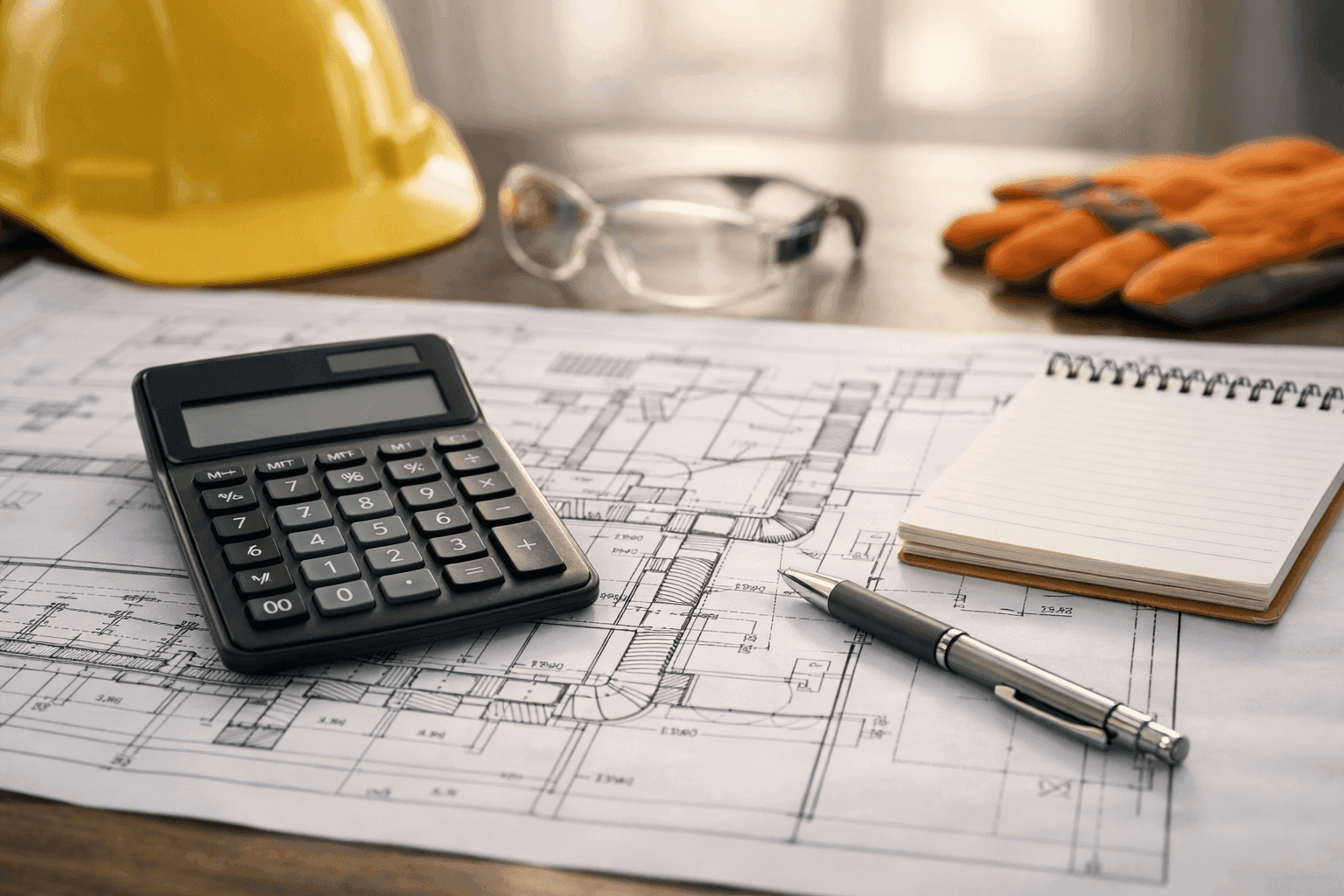
Looking at a new HVAC installation? Maybe your old furnace finally gave out, or your AC is limping along during the hottest week of the year. You’re not alone. At Best Indy HVAC, we see homeowners and business owners face the same big question: What’s this really going to cost me?
The truth is, HVAC costs can feel like a puzzle. Pieces include labor, equipment, and the “little things” that add up. If you want to budget wisely—and avoid sticker shock—let’s unbox that puzzle, piece by piece.
Factors Affecting HVAC Costs 🏗️
No two buildings are alike, just like no two puzzles have the same pieces. The cost of HVAC installation, replacement, or upgrade depends on several key factors:
- System Type: A basic split system is different from a geothermal setup. Mini-splits, radiant heating, and whole-house fans each have unique requirements.
- Building Size & Layout: Square footage, ceiling height, and insulation matter. More space means more capacity—and potentially more ductwork.
- Labor: Skilled technicians ensure safe, code-compliant work. Labor costs can reflect complexity, accessibility, and local wage rates.
- Efficiency Ratings: Higher SEER (for AC) or AFUE (for furnaces) usually means a bigger upfront investment, but lower bills later.
- Add-Ons & Upgrades: Air scrubbers, dehumidifiers, programmable thermostats, and indoor air quality (IAQ) improvements all affect price.
- Permits & Codes: Meeting local building codes and pulling the right permits isn’t optional. It’s a line item you can’t skip.
Tip: Refer to the U.S. Department of Energy and local code requirements before starting any HVAC project.
New Installation vs. Replacement
Starting from scratch? Or swapping out an old system? The costs and process can be worlds apart.
New Installation
- Labor Intensive: Cutting new ductwork, running electrical lines, and configuring ventilation can be time-consuming.
- Material Costs: New sheet metal, ducting, vents, and supports may be needed.
- Customization: Tailored solutions for unique spaces—think open lofts or historical buildings.
Replacement
- Removal Fees: Hauling away old equipment and safely disposing of refrigerant or other hazardous materials adds cost.
- Retrofit Challenges: Upgrading old ductwork or adapting to new equipment footprints can surprise your budget.
- Efficiency Upgrades: Replacing with high-efficiency units may require electrical or venting upgrades.
Hidden cost alert: Sometimes, what looks like a simple swap reveals bigger issues—like leaky ducts or outdated wiring.
Upgrade Options and Add-Ons 🔧
It’s tempting to go “just basic.” But modern HVAC systems offer add-ons that can pay off in comfort, health, and even lower bills.
- Air Scrubbers & Filters: Improve IAQ—especially important for allergies or in commercial kitchens.
- Smart Thermostats: Control temperature from your phone. Save energy by automating settings.
- Zoning Systems: Heat or cool specific areas independently. Great for large homes or offices with uneven temperatures.
- Dehumidifiers & Humidifiers: Protect wood floors, musical instruments, and your comfort.
- Generators: Keep the system running during outages—especially critical for businesses or homes with vulnerable residents.
- Energy Audits: Identify where you’re losing efficiency before you invest.
Choosing Upgrades
Ask yourself: Will this add-on save money or hassle in the long run? Some upgrades even qualify for rebates or tax incentives—check with Energy Star and your local utility.
How to Budget for Your Project 💸
Think of HVAC budgeting like building a house. Start with the foundation—core equipment and labor—then add extras as your needs and budget allow.
Core Costs
- Equipment: The “heart” of your system—furnace, air conditioner, heat pump, or geothermal unit.
- Labor: Installation, setup, and testing by certified professionals.
- Ductwork & Sheet Metal: Only needed for some systems, but a major cost in ducted solutions.
Additional Costs
- Permits: Required by most municipalities.
- Disposal Fees: For old equipment, refrigerants, and hazardous materials.
- Electrical Work: Upgrades or new circuits for high-efficiency or larger-capacity systems.
- Unexpected Repairs: Hidden leaks, outdated wiring, or mold in ducts can pop up.
Smart Budgeting Steps
- Get an Energy Audit: Pinpoint problem areas and right-size your new system.
- Factor in Maintenance: Regular HVAC Maintenance extends equipment life and prevents costly breakdowns.
- Plan for Seasonal Needs: Prices and availability can fluctuate; off-season installs may be less expensive.
- Ask About Rebates: Energy-efficient upgrades can qualify for local or federal incentives.
Pro tip: Never skip professional installation. DIY may look cheaper, but code violations or improper sizing can cost more in the long run.
Labor: The Human Element
Labor isn’t just hours on a clock. It’s the skill, certification, and care that ensures your HVAC system runs safely and efficiently.
- Certified Technicians: Look for EPA-certified installers who follow safety guidelines (reference: OSHA and EPA standards).
- Project Timeline: Most standard installations take 1–3 days. Complex projects—like adding ductwork or zoning—can take longer.
- After-Installation Walkthrough: Make sure you know how to run and maintain your new system before your tech leaves.
Equipment: More Than Just the Box
The heart of your HVAC is the equipment itself. But not all units are created equal.
- Efficiency Ratings: Higher SEER or AFUE often means a bigger price tag, but lower monthly bills.
- Brand & Model: Reputable brands may cost more up front, but offer better warranties and parts availability.
- Capacity: Oversized or undersized units waste energy and reduce comfort. A proper load calculation is essential.
Tip: Request a Manual J load calculation (per ACCA guidelines) to ensure correct sizing.
Add-Ons: Comfort, Air Quality, and Peace of Mind
Sometimes, the “extras” make all the difference.
- IAQ Testing: Find out what’s in your air before you choose filtration or purification upgrades.
- Air Balancing & Duct Cleaning: Keeps airflow consistent and efficient.
- Programmable Thermostats: Let you customize comfort without constant adjustments.
Small investments here can mean big savings—and healthier living—down the road.
Hidden Costs to Watch Out For 🔍
Like a leaky pipe behind the wall, some HVAC costs lurk out of sight.
- Old Ductwork: Leaks or undersized ducts reduce efficiency and may need replacement.
- Asbestos or Mold Remediation: Sometimes found in older homes—requires special handling.
- Electrical Panel Upgrades: Necessary for larger or high-efficiency systems.
- Unexpected Permit Fees: Vary by city; always factor into your quote.
Timeline & Disruption: What to Expect
Replacing or installing a new HVAC system isn’t an overnight fix.
- Average Timeline: 1–3 days for most projects. Geothermal or extensive ductwork may take longer.
- Noise & Dust: Some disruption is inevitable—cover furniture and plan around work hours.
- Safety Precautions: Only allow licensed professionals to handle refrigerants and electrical work.
Prevention & Maintenance: Protect Your Investment
A new system is just the beginning. Regular maintenance keeps things running smoothly and can prevent expensive repairs.
- Schedule Routine Checks: Seasonal HVAC Maintenance is your best defense.
- Change Filters: At least every 90 days, or more often in high-use seasons.
- Monitor System Performance: Watch for rising bills, strange noises, or uneven temperatures.
DIY vs. Call a Pro
Some things are best left to the professionals.
- DIY: Changing filters, vacuuming vents, or checking thermostat batteries.
- Pro Required: Electrical work, refrigerant handling, load calculations, and code compliance.
Cutting corners can lead to safety hazards, voided warranties, or even legal issues.
Quick Safety Checklist 🛑
Before starting any HVAC project:
- Confirm your contractor is licensed and insured.
- Verify permits are pulled and up to date.
- Ensure all work meets local and national safety codes (e.g., International Mechanical Code, National Electrical Code).
- Keep pets and children away from work zones.
Common Mistakes and How to Avoid Them
- Undersizing or Oversizing: Leads to discomfort and wasted energy.
- Skipping Maintenance: Shortens equipment life and increases breakdown risk.
- Ignoring Air Quality: Poor ventilation or filtration can harm health.
- Not Planning for Upgrades: Failing to future-proof your system can cost you more later.
Frequently Asked Questions
How long does a typical HVAC installation take?
Most installations wrap up in 1–3 days, depending on complexity and site conditions.
Is a permit really necessary?
Yes. Permits ensure safety, code compliance, and insurance validity.
Do I need regular maintenance?
Absolutely. Just like changing oil in your car, regular HVAC Maintenance keeps your system humming.
Are there options for energy efficiency?
Yes—look for Energy Star-rated equipment, smart thermostats, and consider an energy audit.
What’s the average cost?
It varies. For a ballpark, expect a few thousand dollars for basic systems. Geothermal or high-efficiency systems can be higher, but often pay off over time.
Seasonal Considerations
- Peak Season: Summer and winter are busiest. If possible, schedule upgrades in spring or fall for quicker turnaround.
- Weather Delays: Outdoor work can be affected by rain, snow, or extreme temperatures.
When It’s an Emergency
-
No Heat or AC?
Call for 24-hour emergency service. Don’t risk health or comfort, especially during extreme weather. -
Strange Odors or Noises?
Could signal a gas leak, electrical issue, or failing compressor. Turn off the system and call a pro immediately.
HVAC Cost Breakdown: Your Takeaway
Upgrading or replacing your HVAC system is a big decision. The right knowledge helps you plan, budget, and get the comfort you deserve—without unwelcome surprises.
If you’re ready to take the next step—whether it’s a straightforward HVAC Installation, a custom upgrade, or even a full AC Installation—our team is here to help. We also serve those looking for hvac in the Skokie area.
Call Best Indy HVAC now — or reach us anytime at 855-525-5859 .