Does Your Business Need a Commercial Hood & Exhaust System?
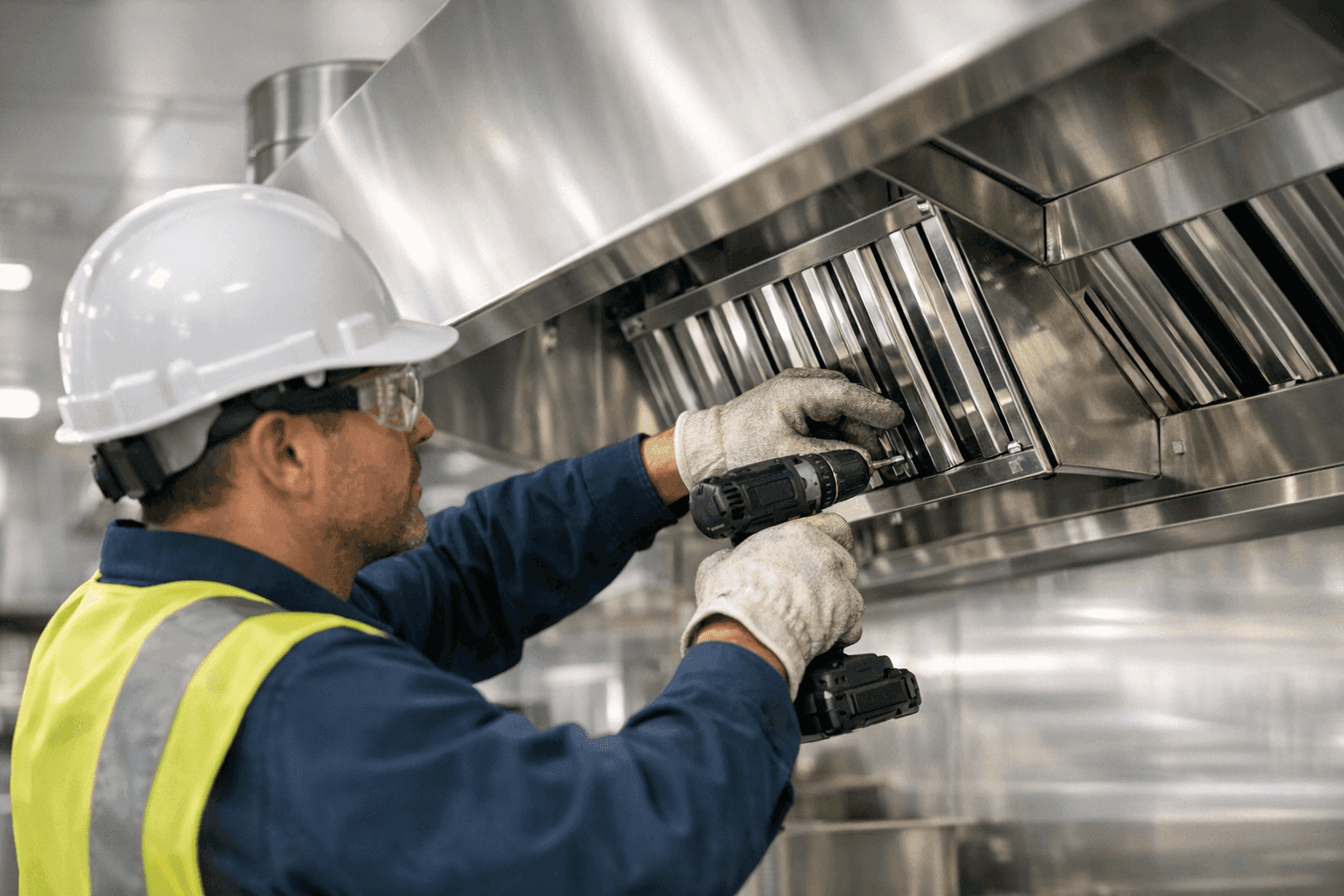
Running a business is a lot like keeping a classic car humming. The smallest part—if overlooked—can bring the whole operation to a halt. For restaurants, food service, or any facility where air quality and safety matter, your hood & exhaust system is that critical part.
Fire safety, code compliance, and clean air aren't just buzzwords—they're the backbone of a well-run business. If you've ever wondered if your facility needs an upgrade or a new installation, you're not alone. Let's clear the air.
Who Needs Hood & Exhaust? 🍽️
Not every business owner wakes up thinking about exhaust fans and ductwork. But certain industries can't afford to ignore them:
- Restaurants and Commercial Kitchens: Cooking creates grease, smoke, and heat. Without proper ventallation, it's a recipe for disaster.
- Food Processing Plants: Even low-temperature operations generate vapors needing safe removal.
- Industrial Workshops: Welding, soldering, or chemical processing need strong exhaust solutions.
- Bakeries & Cafeterias: Flour dust and heat add up fast.
- Schools & Hospitals: Safety codes demand reliable ventallation and air quality control.
If you’re wondering whether your space fits the bill, check your local building code or the National Fire Protection Association (NFPA 96) guidelines. Both set the gold standard for commercial kitchen exhaust systems.
Why Hood & Exhaust Systems Matter
Think of your hood & exhaust system as the lungs of your operation. Without strong airflow, smoke, grease, and heat fill the room. That means:
- Higher risk of kitchen fires
- Poor air quality for staff and customers
- More frequent (and costly) equipment repairs
- Health and safety violations
Fire marshals and health inspectors don’t take shortcuts. Neither should you.
How Hood & Exhaust Systems Work
It’s not magic—it’s science and smart engineering. Here’s the flow:
- Hood: Captures smoke, grease, steam, and heat directly above the cooking surface.
- Exhaust Fan: Pulls contaminated air out through ductwork.
- Ductwork: Carries the air outside. Must be sealed and made of the right sheet metal materials for safety.
- Make-up Air: Brings fresh air back in, balancing pressure and keeping systems efficient.
Properly sized and installed, these systems keep your kitchen running cool—literally and figuratively.
Compliance & Safety: Meeting the Code
The rules aren't suggestions—they're requirements. Local codes often reference NFPA 96, International Mechanical Code (IMC), and OSHA standards. Here’s what they care about:
- Fire Suppression: Most hoods require built-in fire systems.
- Clearances: Ducts and hoods must be a safe distance from combustibles.
- Sheet Metal & Construction: Only specific metals (like stainless steel) are allowed.
- Access Panels: For cleaning and inspection.
- Airflow Rates: Systems must remove a minimum amount of air, based on cooking equipment.
Violations mean fines, shutdowns, or worse—a preventable fire. The Ventallation standards are there for a reason.
Signs Your System Needs an Upgrade
Some problems announce themselves. Others lurk in the shadows. Watch for:
- Persistent Odors: If the kitchen smells like last night’s dinner, something’s off.
- Visible Smoke: Especially around hoods or ceiling vents.
- Grease Drips or Buildup: On hood surfaces or in ductwork.
- Unusual Noises: Fans should hum, not clatter.
- Rising Utility Bills: Inefficient systems work harder, costing you more.
If these sound familiar, it’s time for a professional assessment.
Quick Safety Checklist
A quick gut check for your facility:
- Are all hoods and fans running when equipment is in use?
- Is there visible grease buildup?
- Are fire suppression tags up to date?
- Are staff trained on emergency shut-off procedures?
If you answered “no” to any, call a qualified hvac contractor for an inspection.
DIY vs. Call a Pro
Installing or upgrading a hood & exhaust system isn’t a weekend project. It’s a puzzle of building codes, airflow math, and hands-on experience. Pros bring:
- Knowledge of Codes: They’ll handle permits and inspections.
- Custom Sheet Metal Fabrication: Off-the-shelf parts rarely fit just right.
- Balanced Airflow: Prevents negative pressure and drafts.
- Proper Sealing: Keeps fire risks in check.
Trying to DIY? It’s like replacing an engine with only a wrench and a dream. Don’t risk it.
What Pros Do On Arrival
Expect a thorough process:
- Site Evaluation: Measuring equipment, ceiling heights, and airflow needs.
- Code Review: Checking local rules and fire marshal requirements.
- Custom Design: Sizing hoods, ducts, and fans for your operation.
- Installation: Fabrication and fitting, usually after hours to minimize disruption.
- Testing: Airflow, fire suppression, and system balance.
A reputable hvac company will walk you through each step—no surprises.
Installation Process: What to Expect 🛠️
Every business is unique, but the general timeline includes:
- Initial Assessment: 1–2 days for site visit and plan.
- Permitting: Varies by city—can be days or weeks.
- Fabrication: Custom sheet metal work, usually 1–2 weeks.
- Installation: Most jobs completed in 2–5 days, depending on complexity.
- Inspection & Signoff: Local officials may require a final walk-through.
Disruption to your operation? Minimal with good planning. A Sheet Metal specialist keeps work tidy and efficient.
Costs & Time Factors
Budgeting for a new hood & exhaust system isn’t always straightforward. Costs depend on:
- Size and type of system
- Custom versus standard fabrication
- Fire suppression integration
- Accessibility of existing ductwork
Remember, code compliance and safety are investments—not expenses. Cutting corners often costs more in the long run.
When It’s an Emergency
Certain situations need immediate attention:
- Smoke or fire incidents
- Grease dripping from ducts
- Fan failure or electrical short
- Failed health or fire inspection
If you’re facing any of these, don’t hesitate. Our 24 Hour Emergency Service can get you running again—safely.
Prevention & Maintenance
Regular maintenance keeps your system efficient and compliant:
- Schedule professional duct cleaning
- Replace filters on time
- Inspect fire suppression systems
- Clean hood surfaces daily
- Check for grease buildup in hard-to-reach spots
Set reminders or ask your installer for a maintenance schedule tailored to your equipment.
Common Mistakes to Avoid
Don’t get tripped up by these pitfalls:
- Using the wrong sheet metal for ducts
- Skipping fire suppression integration
- Neglecting airflow balancing
- Overlooking make-up air requirements
- Failing to schedule regular inspections
These shortcuts might seem harmless—but they invite fines and safety risks.
FAQ: Hood & Exhaust Systems
Q: How often should my system be cleaned?
A: Most codes require quarterly cleaning, but high-volume kitchens may need monthly service. Always follow your local fire code.
Q: Can I use my existing ductwork for a new hood?
A: Sometimes, but only if it meets current code and is in good condition. A professional assessment is key.
Q: What about Geothermal near you—does it impact kitchen ventallation?
A: Geothermal impacts heating and cooling, but kitchens need dedicated exhaust to handle grease and smoke.
Seasonal Considerations
Winter brings icy air. Summer, sweltering heat. Your hood & exhaust system should be adjusted for seasonal demands:
- Check insulation on ducts in winter
- Adjust make-up air for seasonal temperature swings
- Inspect fans before peak cooking seasons
Proper prep prevents last-minute breakdowns.
How to Assess Your Needs
Still not sure if you need an upgrade? Walk your space:
- Listen and sniff—does your kitchen smell and sound right?
- Inspect for visible grease or dust buildup.
- Review your last fire or health inspection report.
Or, ask a trusted hvac contractor for a site visit. If you're near Waterloo, our Sheet Metal specialists can assist promptly.
Take the Next Step with Best Indy HVAC
A safe, efficient kitchen or facility isn’t just about compliance—it’s peace of mind. Our team at Best Indy HVAC delivers professional hood & exhaust installation, custom fabrication, and ongoing support for your business.
Call Best Indy HVAC now — or reach us anytime at 855-525-5859 .