Duct Cleaning: What to Know Before You Book
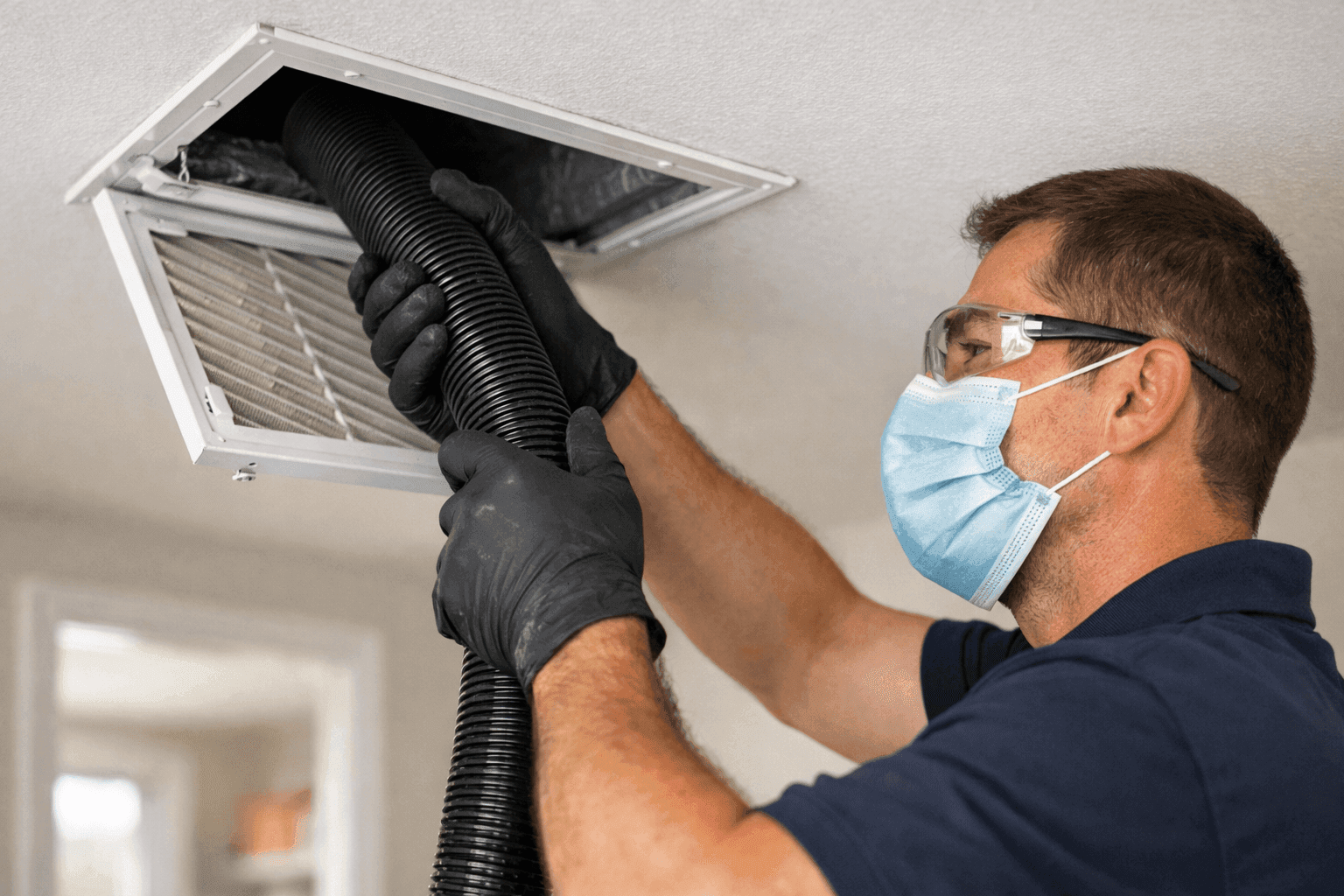
Breathe easy. Most of us never see what’s lurking inside our air ducts, but it’s there—dust, debris, maybe even a forgotten toy or two. When your HVAC system kicks on, it can send those particles swirling through your living room or office. Suddenly, the air doesn’t feel so fresh.
At Best Indy HVAC, we’ve seen it all—in homes, restaurants, offices. Duct cleaning isn’t just about dust. It can make a real difference in how you feel and how your system runs. But is it always necessary? Let’s clear the air.
Why Clean Ducts? 🌬️
Think of your ducts as the hidden highways of your building. Over time, these highways get jammed with traffic—dust, pollen, dander, even mold. When airflow is blocked, your HVAC works harder. You might notice uneven temperatures, stubborn allergies, or that “old house” smell.
Regular duct cleaning isn’t a cure-all, but it can:
- Improve airflow and system efficiency
- Reduce musty or stale odors
- Lower the risk of allergens recirculating
- Help HVAC equipment last longer
The National Air Duct Cleaners Association (NADCA) recommends cleaning as needed, not on a fixed schedule. For some, that’s every few years. For others, it’s sooner—especially after renovations, water damage, or pest problems.
Signs Your Ducts Need Attention
How do you know if it’s time to call in a pro? Watch for these signs:
- Visible dust puffs from vents when the system turns on
- Lingering smells you can’t shake, even after cleaning
- Unexplained allergy symptoms or respiratory issues indoors
- Mold spotted inside ducts or on vent covers
- Inconsistent heating or cooling in different rooms
If you’ve changed your Filters but still notice dust buildup, it might be time for a deeper look.
What Does Duct Cleaning Involve?
A proper duct cleaning is more than just a quick vacuum. Professionals use powerful vacuums, rotary brushes, and sometimes compressed air to dislodge and extract debris. Here’s a step-by-step overview:
- Inspection: Cameras or mirrors help check for buildup, mold, or blockages.
- Sealing: All vents and registers are covered except the one being cleaned.
- Agitation: Brushes or air tools scrub the interior surfaces.
- Vacuum: A high-powered machine pulls dust and debris out through sealed hoses.
- Sanitizing (if needed): EPA-approved products can address mold or bacterial growth.
- Final check: Pros ensure nothing was missed and HVAC is running smoothly.
This process protects your indoor air and prevents dust from simply being blown around.
Health Benefits of Clean Ducts
Clean ducts can mean cleaner lungs, especially for those with allergies, asthma, or compromised immune systems. The EPA notes that while duct cleaning isn’t proven to prevent health issues, it helps when:
- There’s visible mold growth inside ducts
- Ducts are infested with rodents or insects
- Ducts are clogged with excessive dust or debris
Contaminants in your air system can aggravate symptoms or trigger new ones. Regular cleaning, paired with good Indoor Air Quality practices, keeps your space healthier.
Efficiency and Cost Savings
When ducts are clogged, your HVAC system is like a runner with a head cold—working harder, but not getting anywhere fast. Clean ducts enable air to flow freely, which can:
- Lower energy bills by reducing system strain
- Extend the life of your furnace, AC, or heat pump
- Limit the need for costly repairs
It’s not a magic bullet for efficiency, but combined with routine HVAC Maintenance, it’s a smart move.
Process Overview: What to Expect
Worried about disruption? Good news: Most duct cleanings take just a few hours for an average home. Our team arrives with specialized equipment, covers floors and furniture, and keeps dust contained. You might hear some noise, but the mess stays in our vacuums—not your living room.
For businesses, we work around your hours to keep downtime minimal.
DIY vs. Call a Pro
Some folks try to clean their vents with a vacuum hose or a brush. While it can help with surface dust, it won’t reach the deep buildup in your main ducts. Inexperienced cleaning can even damage ductwork or dislodge insulation.
Professional duct cleaning meets standards set by NADCA and the EPA. Certified technicians use HEPA-filtered vacuums, follow safety guidelines, and know how to spot hidden problems. It’s about more than just clean air—it’s about protecting your investment.
Quick Safety Checklist 🛑
Before booking a duct cleaning:
- Check that your provider is NADCA-certified
- Ask what equipment will be used (avoid “spray and pray” methods)
- Ensure they follow EPA guidelines for cleaning and disinfecting
- Clarify if sanitizers or sealants will be applied—and if they’re needed
Safety first. Reputable companies are happy to explain their process and answer your questions.
Common Misconceptions
Let’s set the record straight:
- Myth: Duct cleaning should be done every year.
- Fact: Most homes need it every 3–5 years, or after major events.
- Myth: It will fix all indoor air problems.
- Fact: It’s one part of an overall Indoor Air Quality plan.
- Myth: Clean ducts mean no dust.
- Fact: Regular cleaning helps, but dust comes from many sources.
When Is Duct Cleaning Worth It?
You’ll get the most value if:
- You’ve just finished renovations (drywall dust, sawdust, etc.)
- There’s been water damage or mold detected
- Pets, smokers, or allergy sufferers live or work in the building
- You notice persistent odors or allergy symptoms
If your system’s never been cleaned, or if it’s been more than five years, an inspection is a smart first step.
Timeline & Disruption
A standard residential cleaning usually takes 2–4 hours. Larger homes or commercial buildings may take longer, especially if access is tricky or ducts haven’t been touched in a while. You don’t need to leave, but you may want to plan for some background noise.
Preventing Future Buildup
Stay ahead with these habits:
- Change your HVAC filters every 1–3 months
- Schedule annual HVAC Maintenance
- Keep vents and registers clear of furniture or drapes
- Control humidity to prevent mold
Simple steps keep your indoor air fresher between professional cleanings.
Frequently Asked Questions
Does duct cleaning remove mold?
If mold is inside your ducts, cleaning helps—but long-term, you need to control moisture sources and fix leaks.
Will it damage my ducts?
Not when done by trained professionals. We use equipment designed for your system’s materials.
Can I stay home during service?
Absolutely. We work quickly, contain dust, and keep you informed every step of the way.
Materials and Equipment
Professional duct cleaning requires:
- HEPA-filtered vacuums
- Rotary brushes sized for your ductwork
- Disinfectants registered with the EPA (when needed)
- Cameras for inspection
Don’t settle for “blow and go” jobs. Quality matters.
Choosing a Pro: What to Look For 🔎
Not all providers are created equal. At Best Indy HVAC, our technicians are NADCA-certified and trained in the latest industry standards.
When searching for a provider, ask:
- Are technicians certified and insured?
- Do they follow NADCA and EPA guidelines?
- Will they provide before-and-after photos?
- What’s included in the price?
Don’t be afraid to ask questions. A reputable provider will walk you through the process and explain what your system needs.
For those in Meridian, our hvac specialists are always ready to help assess your air quality and ductwork needs.
Ready for cleaner air and a more efficient system? Call Best Indy HVAC now — or reach us anytime at 855-525-5859 .