Furnace Troubleshooting: DIY Checks & Red Flags
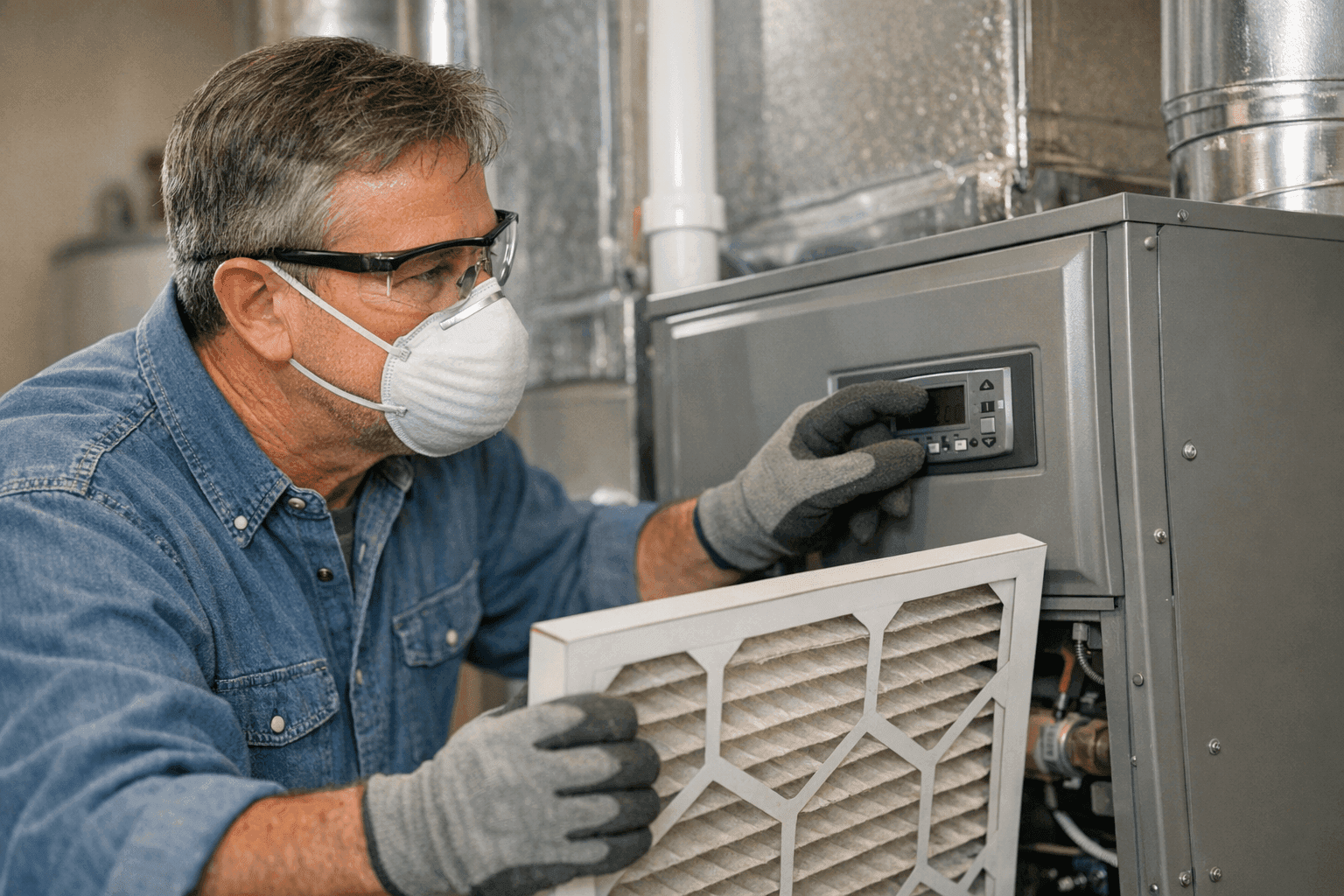
When a furnace stops working on a cold night, it feels just like the heat’s been sucked out of the whole world. Your living room cools off fast. You start wondering: Can I fix this myself, or am I in over my head? At Best Indy HVAC, we know exactly how stressful a chilly house can be. That’s why we’re sharing this clear, practical guide to help you run safe checks and spot true red flags—before you reach for the toolbox or the phone.
Your comfort matters, but your safety matters most. The following tips will help you sort out the basics, avoid common mistakes, and know when it’s time to bring in a professional.
Start Here: Quick Safety Checklist 🦺
Before you do anything, stop and ask yourself: Is it safe to proceed? Furnaces are powerful machines, and even the most confident DIYer should respect them.
- Smell gas? Stop. Leave the house and call your gas company or emergency services. Don’t touch switches or phones inside.
- Hear loud bangs, see sparks, or notice scorched wires? Stop here. These are not safe DIY fixes.
- No heat at all, but the furnace is running? Check for burning smells or smoke. If you notice these, turn off the system and call a pro.
If none of these red flags are present, you can move forward with some basic checks.
The Thermostat Test: Where Trouble Often Starts
Thermostats are like the brain of your hvac system. When they get confused, your furnace can act up. Here’s what to check:
- Is the display on? If not, replace the batteries.
- Is it set to “heat”? It sounds obvious, but settings get bumped all the time.
- Try raising the temperature 5 degrees above the current room temp. Listen for the click—this signals the furnace to wake up.
- For programmable thermostats, check the schedule. A glitch or setting error can leave you shivering.
When to Stop and Call a Pro: If your thermostat screen is blank even after new batteries, or if it flashes error codes you can’t clear, it’s best to have a technician take a look. Thermostat wiring can be tricky and dangerous.
Filters: The Silent Saboteur
A clogged filter is like putting a scarf over your mouth and trying to run. The furnace struggles to “breathe,” overheats, and may shut down to protect itself.
- Locate your filter—usually at the return air vent or inside the furnace cabinet.
- Slide it out and hold it up to the light. Can you see through it? If not, replace it.
- Most homes need a new filter every 1-3 months.
Red Flag: If the filter is caked with dust and the furnace still won’t run after you swap it, the system may have overheated and tripped a safety switch. This needs professional resetting.
Breaker Blues: Power Problems and Easy Fixes ⚡
Sometimes, the furnace isn’t broken—it just isn’t getting electricity.
- Find your home’s breaker box. Look for a switch labeled “Furnace” or “HVAC.”
- If it’s tripped (in the middle), flip it fully to “off,” then back to “on.”
- Still nothing? Check for a power switch near the furnace itself (it may look like a light switch).
When to Stop: If the breaker keeps tripping, don’t keep resetting it. This points to a wiring or component issue only a licensed technician should handle.
When the Furnace Runs But There’s No Heat
If the blower is working but the air is cold, you might be dealing with:
- Pilot light issues (for older furnaces)
- Faulty ignition
- Gas supply problems
DIY Tip: For furnaces with a pilot light, check if it’s out. If so, follow the manufacturer’s instructions for relighting exactly—never guess. If it won’t stay lit, call for help.
Noises and Smells: What’s Normal, What’s Not?
All furnaces make some noise—a gentle whir, maybe a click or two. But if you hear:
- Grinding, screeching, or banging
- Smell burning plastic or metal
Shut off the furnace and call for service. These are warning signs that, like storm clouds on the horizon, can signal big trouble.
DIY: What’s Safe, What’s Not
You can safely check:
- Thermostat settings and batteries
- Filters
- Breakers and power switches
Don’t attempt:
- Wiring repairs
- Gas line adjustments
- Replacing internal parts
Furnace repairs involve high voltage and, sometimes, gas leaks. Not worth the risk.
What the Pros Do When They Arrive
Licensed hvac technicians use specialized tools to:
- Test voltage and gas pressures
- Diagnose control board errors
- Check safety switches
- Inspect for carbon monoxide leaks (per U.S. Consumer Product Safety Commission guidelines)
They also spot issues you might not see—like tiny cracks in the heat exchanger.
Prevention Is Cheaper Than Repair
Like changing oil in your car, regular furnace maintenance keeps things running smoothly. Schedule annual inspections and tune-ups. This helps catch problems early, keeps your system efficient, and can even extend its life.
- Replace filters regularly
- Clear vents and returns of dust
- Keep the area around your furnace clean and clutter-free
For more on home energy savings and comfort, see our Geothermal page.
Red Flags: When to Call Right Away 🚨
Some situations are true emergencies:
- Smell of gas
- Carbon monoxide detector beeping
- No heat during extreme cold (especially with babies or elderly at home)
- Electrical sparks or burning smells
Don’t wait—turn off the system and call us immediately.
Common Missteps to Avoid
- Ignoring warning signs
- Resetting a breaker repeatedly
- Covering vents with furniture or rugs
- Using incorrect filter sizes
These can turn a small issue into a costly repair—or worse, a safety hazard.
Seasonal Smarts: Prepare Your Furnace Before Winter
Before the first cold snap:
- Test your furnace on a cool fall day
- Stock up on filters
- Check your carbon monoxide detector
A little prep can save you from shivering surprises.
FAQs: Quick Answers to Common Furnace Questions
Q: The furnace keeps turning on and off—should I worry?
A: This “short cycling” can mean a dirty filter, thermostat misplacement, or a more serious problem. Check the filter first. If that’s not it, call for service.
Q: What’s the average lifespan of a furnace?
A: Most last 15–20 years with regular maintenance.
Q: Can I improve my indoor air quality with my furnace?
A: Yes! Ask about air scrubbers, dehumidifiers, and Geothermal to keep your air fresh and healthy.
Timeline & Disruption: What to Expect
Simple fixes (like a new filter) take minutes. Professional repairs can range from an hour to a half-day, depending on parts and complexity. Our team works quickly—and leaves your space as clean as we found it.
Materials & Equipment: What to Keep on Hand
- Spare filters (the correct size for your system)
- Fresh thermostat batteries
- Flashlight
- Basic screwdriver (for filter doors)
- Carbon monoxide detector with fresh batteries
Thinking Beyond the Furnace: Modern Comfort Solutions
If you’re facing repeated furnace headaches or want to reduce your energy bills, it could be time to consider upgrades like mini-splits, radiant heating, or Geothermal near you. Modern systems can be quieter, safer, and more efficient.
Ready for Reliable Warmth? Let’s Solve It Together
Still have questions, or did your checklist turn up something you’re unsure about? Don’t wait and shiver. At Best Indy HVAC, our certified team is ready—day or night—to get your comfort back on track.
Call Best Indy HVAC now — or reach us anytime at 855-525-5859 .