Furnace vs Heat Pump: Which Is Better for You?
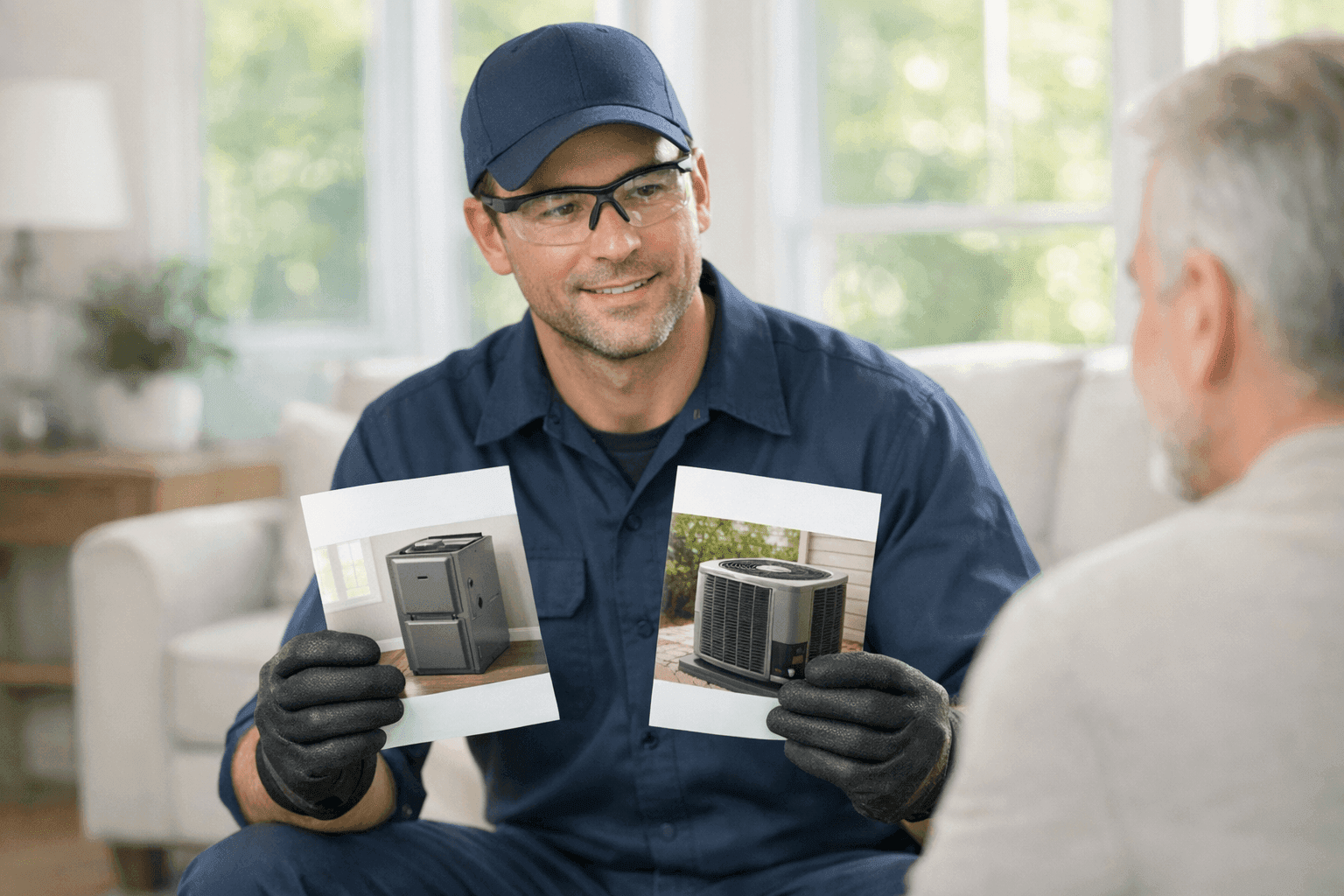
Furnace vs Heat Pump: The Big Home Heating Question
Winter’s chill bites deep. You want warmth you can count on—without wasting energy or money. But when it’s time to upgrade, should you choose a classic furnace or a modern heat pump? At Best Indy HVAC, we help homeowners and businesses balance comfort, efficiency, and long-term value.
Let’s break it down. We’ll compare how each system works, what installation is really like, the dollars and cents, and which one fits your space and climate. By the end, you’ll know exactly what to ask your HVAC pro—and what to expect from your next heating system.
How Furnaces Work: The Tried-and-True Heater
A furnace is like a campfire in your basement. It burns fuel—usually natural gas, propane, or oil—to create heat. That heat flows through your ductwork and keeps your toes toasty.
- Gas and oil models: Burn fuel for quick, powerful heat.
- Electric furnaces: Use heating elements, no flames involved.
Furnaces have been around for generations. They’re famous for reliability and strong, consistent warmth, especially in places where winter hangs around for months.
How Heat Pumps Work: Moving Warmth, Not Making It
A heat pump is more like a magic trick than a fireplace. It doesn’t create heat—it moves it. Even chilly outdoor air has some warmth. The heat pump grabs it, compresses it, and sends it inside. In summer, it reverses, acting as an air conditioner.
- Air-source heat pumps: Pull warmth from the outdoor air.
- Geothermal heat pumps: Tap steady underground temperatures for even greater efficiency.
Because they move heat instead of making it, heat pumps can be far more efficient—like getting free miles from a tailwind.
Installation: What to Expect With Each System 🛠️
Furnace installation usually means replacing an old unit with a similar one. Ductwork is already in place, so the process is straightforward but still needs a skilled pro to ensure safety.
Heat pump installation can be a bit different:
- Air-source models sometimes use existing ducts.
- Ductless mini-splits are an option for homes without ducts.
- Geothermal heat pumps are a bigger project, involving drilling or trenching.
Every installation must follow local code and manufacturer guidelines. The U.S. Department of Energy and ASHRAE both offer guidelines for proper installation and safety.
Energy Efficiency: Who Wins the Race?
Furnaces and heat pumps aren’t playing the same game.
- Furnaces: Gas models range from 80% to 98% AFUE (Annual Fuel Utilization Efficiency). Electric furnaces are 100% efficient at the point of use, but electricity can cost more.
- Heat Pumps: Can reach 200% to 400% efficiency because they move heat, not create it. Geothermal heat pumps often top the charts in efficiency.
Energy Star ratings and local utility rebates are great indicators of long-term savings. The right system can shrink your carbon footprint and your monthly bills.
Upfront Costs: Furnace vs Heat Pump
The sticker price matters, but it’s just the start.
- Furnace: Lower upfront cost, especially if you’re replacing an old unit.
- Heat Pump: Higher initial investment, especially with geothermal, but often lower monthly bills.
Think of it like buying a car—do you want the lower price tag now, or lower fuel bills for years to come?
Long-Term Savings: Counting Every Penny
Heat pumps often cost less to run, especially in milder climates. Geothermal systems can cut heating bills by up to 70%, according to the U.S. Environmental Protection Agency. But if your region gets deep freezes, a high-efficiency furnace might make more sense.
Calculate your payback period. Consider utility rates, maintenance, and possible tax incentives.
Climate Matters: What Works Where?
- Cold Climates: Furnaces shine when the mercury plunges below freezing for weeks on end. High-efficiency gas models keep pace with arctic cold.
- Mild to Moderate Climates: Heat pumps are ideal, providing efficient heating and cooling in one package.
- Geothermal near you can handle almost any climate, thanks to steady underground temperatures.
Home and Building Types: One Size Does Not Fit All
- Older homes: May have ductwork suited for a furnace, or none at all (perfect for ductless heat pumps).
- New builds: Can be designed for geothermal or highly efficient air-source heat pumps from day one.
- Commercial spaces: Often benefit from zoned systems and air balancing for even temperatures.
The Pros and Cons: Furnace at a Glance
Pros:
- Powerful, fast heat
- Familiar to most techs
- Proven in extreme cold
Cons:
- Only heats—requires separate AC
- Burns fuel (except electric models)
- Can dry out indoor air
The Pros and Cons: Heat Pump at a Glance
Pros:
- Heats and cools with one system
- Super efficient—especially geothermal
- Lower emissions
Cons:
- Air-source models lose efficiency in deep cold
- Geothermal installation can disrupt your yard
- Higher upfront cost
Real-World Performance: What the Data Says 📊
According to the U.S. Department of Energy, modern heat pumps can deliver up to three times more heat energy than the electrical energy they consume. High-efficiency furnaces, meanwhile, waste very little fuel, especially in sealed combustion models.
Ask your HVAC company to show you the estimated annual operating costs for both options—real numbers, for your climate and utility rates.
Maintenance and Longevity: Keep It Running Smoothly
- Furnace: Annual tune-ups, filter changes, and safety checks. Gas lines and venting need inspection.
- Heat Pump: Twice-yearly service (heating and cooling seasons), filter changes, coil cleaning. Geothermal systems need loop checks.
With care, both systems can last 15–25 years. Geothermal heat pumps sometimes last even longer underground.
Indoor Air Quality: Beyond Just Heat
Both systems can work with air scrubbers, humidifiers, dehumidifiers, and advanced filtration. Furnaces may dry out air, so a humidifier can help. Heat pumps, especially ductless models, can help reduce dust and allergens by skipping ducts entirely.
Quick Safety Checklist for Home Heating
- Install carbon monoxide detectors if you use a furnace.
- Change filters regularly—every 1–3 months.
- Schedule professional maintenance annually.
- Never block vents or registers.
Always use a licensed HVAC contractor for installation and major repairs. Local code and safety standards are there for a reason.
DIY vs. Call a Pro: Know Your Limits
Changing a filter? Do it yourself. Hearing strange noises, smelling gas, or seeing leaks? Call a professional right away. HVAC work is not a place for guesswork—your safety and comfort come first.
Frequently Asked Questions
Can a heat pump really handle freezing winters?
Modern cold-climate models can, but may need electric backup heat. Discuss your options with a pro.
Is geothermal worth the higher price?
For many, yes—especially if you plan to stay in your home for a decade or more.
What’s the best way to improve indoor air quality?
Combine your heating system with Geothermal for best results.
When It’s Time for a Change: Signs You Need a New System 🔎
- Furnace or heat pump is over 15 years old.
- Rising energy bills with no clear cause.
- Uneven temperatures or persistent repairs.
- Strange noises, smells, or safety concerns.
Don’t wait for a breakdown during a cold snap. Plan ahead—and ask for a thorough home energy audit from your local hvac specialists in Louisville.
Timeline and Disruption: What Happens During Installation
- Furnace: 1–2 days, minimal disruption if swapping an old unit.
- Air-source heat pump: 1–3 days, depending on ductwork.
- Geothermal: 1–2 weeks, due to outdoor excavation.
Clear a path for technicians, protect pets and valuables, and expect some noise and dust.
Practical Tips for Maximum Comfort and Savings
- Use programmable thermostats for better control.
- Seal ducts and insulate your attic.
- Replace filters on schedule.
- Schedule regular maintenance for both safety and efficiency.
The U.S. Energy Information Administration and ENERGY STAR offer more tips for saving energy year-round.
The Bottom Line: Which Heating System Is Right for You?
There’s no one-size-fits-all answer. Furnaces are unbeatable in frigid climates and for quick, powerful heat. Heat pumps—especially geothermal—offer unmatched efficiency and year-round comfort. The best choice depends on your climate, utility rates, home layout, and long-term plans.
Curious about options like geothermal? Learn more about Geothermal and how it stacks up for Indiana homes.
Call Best Indy HVAC now — or reach us anytime at 855-525-5859 .