Generator Installation: What Every Homeowner Should Know
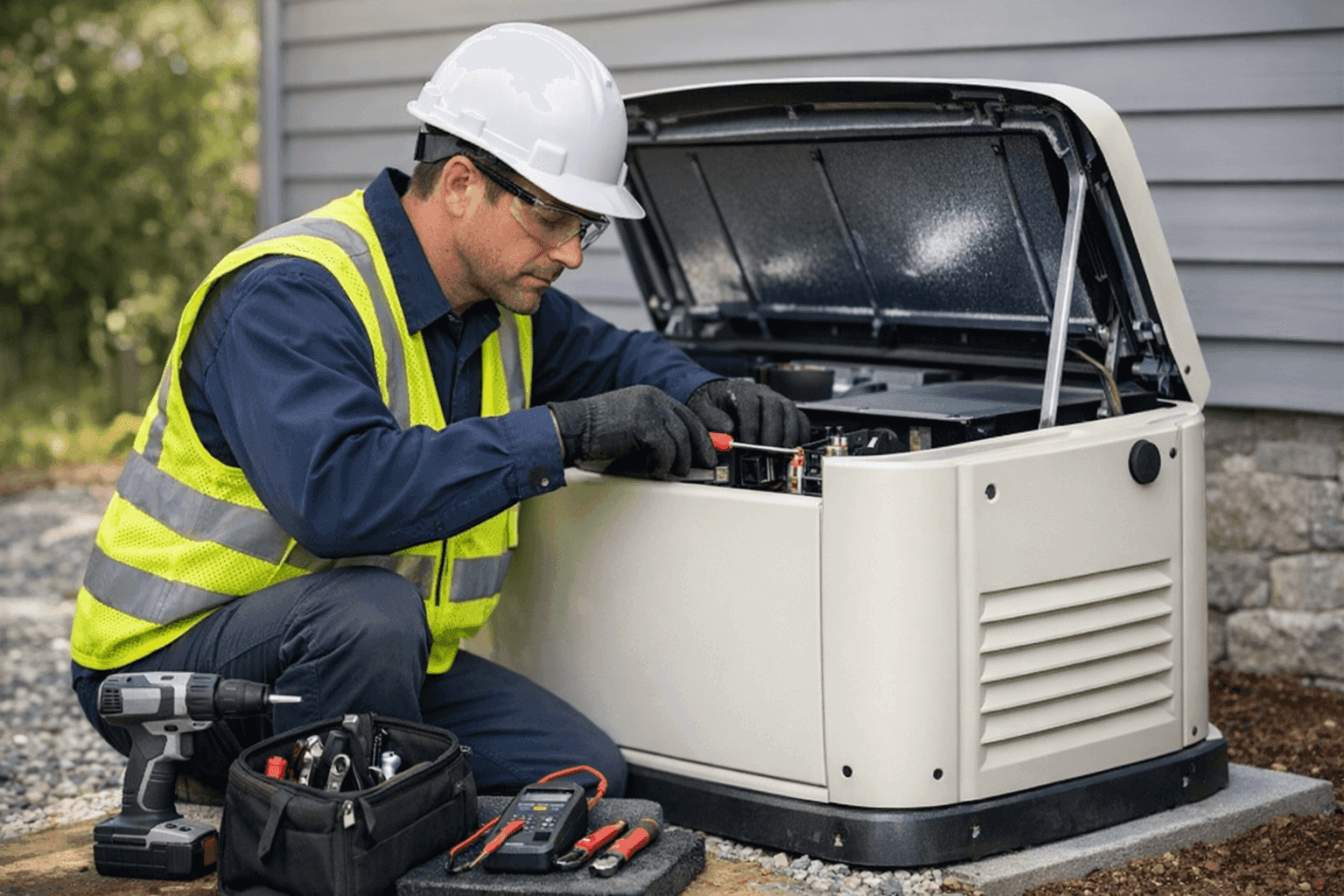
When the lights go out, life doesn’t stop. Power outages can strike unexpectedly—storms, grid failures, or an overloaded system. That’s when a standby generator becomes more than a luxury; it’s your lifeline, keeping your home or business running smoothly.
At Best Indy HVAC, we’ve helped hundreds of homeowners and businesses install generators that protect what matters. Here’s what you need to know before taking the leap.
Why Install a Generator? ⚡
Imagine a blackout. Your refrigerator stops. Lights flicker off. The heat or AC vanishes in an instant. Suddenly, you’re left in the dark—literally and figuratively. A standby generator bridges that gap, kicking in automatically to restore power.
- Peace of Mind: No more spoiled food or frozen pipes.
- Business Continuity: Keep your doors open and equipment running.
- Safety: Critical systems—alarms, medical devices, sump pumps—stay powered.
- Comfort: Maintain heating, cooling, and lights when you need them most.
For both homes and businesses, generator installation is insurance against the unexpected. It’s not just about convenience—it’s about security.
Sizing & Selection: Picking the Perfect Fit
Selecting a generator isn’t like picking out a toaster. Size matters—a lot. Too small, and you’ll overload it. Too big, and you’ll waste fuel and money.
Key factors to consider:
- Wattage Needs: List essentials—fridge, HVAC, lights, sump pump, security. Add up their running and starting watts.
- Fuel Type: Natural gas, propane, or diesel? Each has pros and cons.
- Automatic Transfer Switch: This device senses a power outage and starts the generator automatically.
- Noise Level: Some neighborhoods have ordinances around sound—check local codes.
- Future Planning: Want room for growth? Factor in possible upgrades (like mini-splits or EV chargers).
A professional HVAC contractor can run a home energy audit and recommend the right size. This isn’t a one-size-fits-all job—your needs are unique.
Types of Generator Fuel: Pros & Cons
Every fuel type is like a different kind of engine oil—each with its own quirks.
- Natural Gas: Reliable, low-maintenance, and hooks into city supply. Downside? If the line is interrupted, you’re out of luck.
- Propane: Cleaner burning, stores well, but refilling can be a hassle.
- Diesel: Tough and long-lasting, but noisier and requires on-site fuel storage.
Consider what’s available in your area. Think about storage, refill logistics, and even weather impacts. The best choice is often the one that fits your lifestyle.
Where Should Your Generator Go?
Just like planting a tree, location is everything. Pick the wrong spot, and you could run into code violations—or worse, safety hazards.
Best practices:
- Outdoors Only: Never install inside—carbon monoxide is deadly.
- Distance: At least 5 feet from openings (windows, doors, vents), per National Fire Protection Association (NFPA) guidelines.
- Stable Surface: Place on a concrete pad or gravel base. No sinking!
- Accessible: Technicians need easy access for maintenance.
- Shelter: Shield from flooding, snow, or wind-blown debris.
Always follow manufacturer’s specs and local building codes. Your HVAC specialists will help you find the sweet spot.
Permits, Codes & Inspections: Don’t Skip This Step
Before you break ground, check your local requirements. Most cities or counties require permits for generator installation. Why? It’s about safety—yours and your neighbors’.
- Electrical Codes: National Electrical Code (NEC) covers wiring, grounding, and transfer switches.
- Plumbing Codes: For natural gas or propane, proper piping and shutoff valves are critical.
- Inspections: City inspectors check for code compliance before you can switch on.
Skipping permits isn’t just risky—it can void insurance or lead to fines. Rely on professionals who know the ropes.
DIY vs. Professional Generator Installation
Tempted to DIY your generator? It’s like changing your own brakes—possible, but risky. Mistakes can cost you more than money.
Professional installation includes:
- Safe electrical connections and transfer switch installation
- Gas line or propane hook-up (with pressure tests)
- Code-compliant placement and clearances
- Load balancing—so your generator doesn’t get overwhelmed
- Full system testing
Pros have the tools, training, and experience. They also stand behind their work, making sure your system is safe from day one.
The Step-by-Step Generator Installation Process
Curious about what happens on installation day? Here’s the typical flow:
- Site Assessment: Evaluate power needs and placement.
- Permitting: File paperwork with local authorities.
- Pad Preparation: Pour a concrete base or level gravel.
- Generator Delivery: Position the unit securely.
- Electrical Hookup: Install transfer switch and connect generator to electrical panel.
- Fuel Connection: Connect to gas or propane, pressure test for leaks.
- Startup & Testing: Simulate a power outage to ensure automatic operation.
- Inspection: City or county official checks the work.
- Owner Walk-Through: Learn basic operation, safety, and maintenance steps.
Most installs take a day or two. Complex jobs or bad weather can stretch the timeline.
What Your Installer Does First
When your Best Indy HVAC team arrives, they don’t just drop off a generator and call it a day. Here’s what happens up front:
- Verify utility shutoffs—for safety
- Confirm all materials and parts are on hand
- Double-check clearances and pad stability
- Lay out wiring and fuel lines, avoiding existing utilities
Every step is documented. Nothing is left to chance.
Quick Safety Checklist: Before, During, and After
Safety isn’t just a box to check. It’s the foundation of every job.
- Ventilation: Never block the generator’s exhaust.
- CO Detectors: Place carbon monoxide detectors near bedrooms and living areas.
- Emergency Shutoff: Know where your fuel shutoff valves are.
- Routine Checks: Inspect for leaks, corrosion, or pests.
- Weather Readiness: After storms, check for debris or water around the unit.
The U.S. Consumer Product Safety Commission and NFPA offer clear guidelines—follow them to the letter.
Common Generator Installation Mistakes
Even well-meaning homeowners can stumble into trouble. Watch out for these pitfalls:
- Wrong Size: Too small? You risk overloads. Too large? Wasteful and expensive.
- Improper Grounding: Can lead to shocks or fire.
- Poor Location: Too close to windows or vents lets fumes in.
- DIY Wiring: Dangerous and often illegal.
- Ignoring Maintenance: Dust, oil leaks, and critters can shorten your generator’s life.
A professional touch prevents headaches down the road.
When It’s an Emergency: 24/7 Peace of Mind
Power loss doesn’t follow a 9-to-5 schedule. That’s why Best Indy HVAC offers 24 hour emergency service—because when the grid goes dark, you shouldn’t have to wait.
Our team can install, repair, or maintain your generator, even when conditions are tough. Preparation today means peace of mind tomorrow.
Generator Maintenance: Keeping It Reliable 🔧
Your generator is like a car. Regular checkups keep it humming.
- Monthly: Run for 10–20 minutes to keep parts lubricated.
- Quarterly: Check oil, coolant, and fuel levels.
- Annually: Change oil, replace filters, inspect spark plugs.
- After Storms: Look for debris or water damage.
Consider a service plan with Generator Maintenance to simplify upkeep. Routine care can double your generator’s lifespan.
Seasonal Considerations: Weather and Performance
Winter ice or summer storms—each brings unique challenges.
- Cold Weather Kits: For generators in freezing climates, prevent hard starts.
- Storm Prep: Clear snow, ice, and debris from air intakes and exhaust.
- Summer Heat: Make sure the unit’s cooling fins are clean and unobstructed.
If you ever wondered about integrating your generator with other systems—like geothermal near you—our HVAC Installation specialists can design a seamless solution.
Signs of Trouble: When to Call for Help
Generators send warning signs when something’s off. Don’t ignore them.
- Won’t start or runs rough
- Alarming noises or vibration
- Warning lights on the control panel
- Unusual smells (fuel or burning)
- Excessive smoke or leaks
If you spot any of these issues, call a professional right away.
FAQ: Your Generator Questions Answered
Q: How long does a standby generator last?
A: With proper care, 10–20 years. Maintenance is key.
Q: How often should I run my generator?
A: Monthly “exercise” runs are best.
Q: Can I power my whole house?
A: Yes, with the right size. Many opt to cover just essentials to save on installation costs.
Q: Can I use a portable generator instead?
A: Portables work for short-term use but require manual setup and refueling. Standby units are safer and automatic.
Timeline, Disruption & What to Expect
Installation isn’t as disruptive as you might think. Most jobs take one to three days. Your power will be off for a few hours during switchover. After that, it’s smooth sailing.
Our technicians keep you informed at every step—no surprises.
Materials & Equipment: What’s Involved
- Generator unit (sized for your needs)
- Transfer switch (automatic or manual)
- Pad or mounting surface
- Fuel lines and shutoff valves
- Electrical conduit and wiring
- Weatherproof housing or enclosures
All parts are code-compliant. Quality parts mean fewer problems later.
Compliance & Industry Standards: Why They Matter
Reputable installers follow guidelines from:
- NFPA 70 (NEC): Electrical safety
- NFPA 37: Generator engine location and ventilation
- Local Building Codes: Set by your city or county
Staying up-to-date isn’t optional—it’s essential for safety and insurance coverage.
For those in the area exploring reliable hvac company options, our hvac services in Medford team brings years of experience and a commitment to quality.
Ready for reliable backup power and peace of mind? Call Best Indy HVAC now — or reach us anytime at 855-525-5859 .