Generator Maintenance: How to Ensure Reliable Backup Power
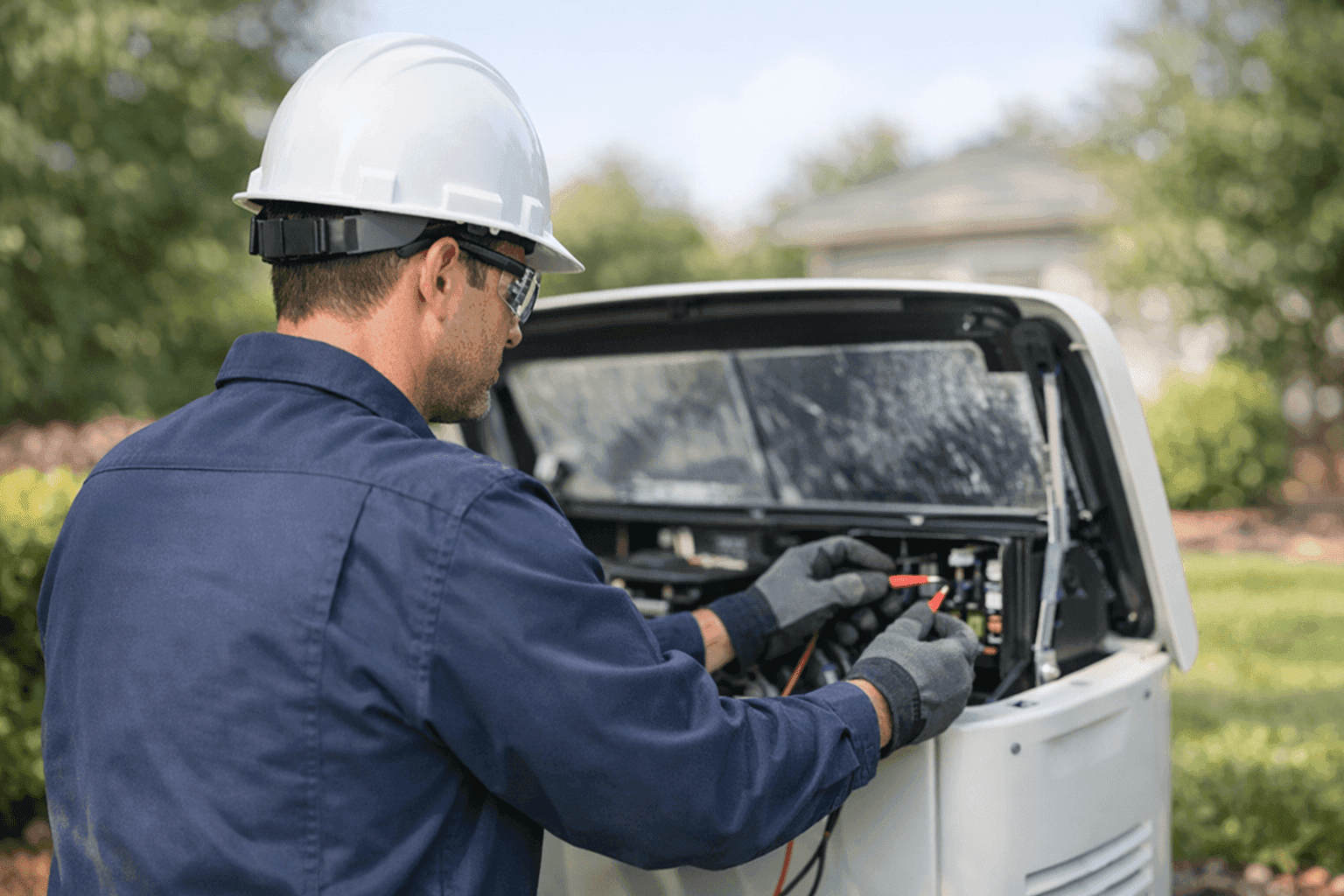
When the lights go out, your generator is more than a luxury—it’s your lifeline. Whether you’re powering a home full of family or keeping business operations running, a generator failure at the wrong moment can feel like being caught in a storm without an umbrella.
That’s why Best Indy HVAC believes generator maintenance isn’t just another chore. It’s a critical act of preparation. Reliable backup power starts long before the outage.
Why Maintain Generators? 🛠️
Think of your generator like a car that sits unused most of the time. If you ignore it, parts will wear, fuel will go stale, and the moment you actually need backup, it could let you down. The U.S. Department of Energy and manufacturers such as Generac all underline the same truth: regular maintenance maximizes both safety and performance.
Routine attention prevents:
- Sudden failures when storms hit
- Costly emergency repairs
- Shortened equipment lifespan
- Fire and carbon monoxide hazards
Bottom line: A well-maintained generator is peace of mind.
Key Maintenance Tasks
What goes into professional generator maintenance? Here are the essentials:
1. Oil Changes
Just like an engine, generators need clean oil. Old or dirty oil can cause catastrophic damage—often silently. Follow your manufacturer’s schedule (typically every 50-100 hours of use, or at least annually).
2. Filter Replacements
Air, oil, and fuel filters keep contaminants out. Clogged filters force your generator to work harder, risking overheating and shutdowns. Replace these at least once a year—or more if your environment is dusty.
3. Testing & Exercising
A generator that sits idle too long can develop problems. That’s why running your unit under load (test mode) once a month is recommended. This “exercise” helps spot small issues before they become big ones.
4. Fuel Checks
Stale fuel is a common culprit in failed startups. For diesel and gasoline models, inspect fuel quality, top off tanks, and add stabilizer as needed. For natural gas or propane, check connections and leaks.
5. Battery Inspections
Batteries lose charge over time. Corroded terminals or weak batteries are top reasons standby generators fail. Clean, tighten, and test battery voltage twice a year.
Quick Safety Checklist
Before you start any generator maintenance, keep these safety basics in mind:
- Always turn off and cool down the generator before working on it.
- Never run a generator indoors or in enclosed spaces.
- Use gloves and eye protection—fuel and battery acid can be hazardous.
- Follow all local codes and manufacturer guidelines.
If you’re ever unsure, call a qualified hvac company.
DIY vs. Call a Pro
Some basic upkeep—like checking oil or clearing debris—is safe for most homeowners. But tasks like electrical diagnostics, fuel system service, or air balancing often require a professional’s expertise.
Commercial setups, paralleling units, or large standby systems can have complex controls. That’s where a certified technician from Best Indy HVAC shines. We’re trained to spot hidden issues and ensure your generator meets all safety and code standards.
What Pros Do On Arrival
When you schedule generator maintenance with Best Indy HVAC, here’s what you can expect:
- Comprehensive visual inspection (wiring, housing, exhaust, etc.)
- Oil and filter change
- Load bank testing to simulate real-world use
- Electrical checks (voltage, frequency, transfer switch)
- Fuel system and battery inspection
- Code compliance review
This process often uncovers problems before they cause real trouble.
Prevention & Maintenance
The best way to avoid a generator emergency is to treat maintenance as routine, not a reaction to failure. Mark your calendar for:
- Annual professional maintenance (or semi-annual for critical sites)
- Monthly self-checks: visual inspection, run test, debris removal
- After every major weather event: look for water damage, leaks, or rodent intrusion
Costs & Time Factors
Wondering about time and money? Basic maintenance is a fraction of the cost of emergency repairs or generator replacement. Most annual service visits take 1–2 hours for residential units—less time than a typical grocery run.
Skip maintenance, and you risk days without power and expensive “rush” repairs when disaster strikes.
When It’s an Emergency
If your generator won’t start—or you hear loud knocking, see smoke, or smell fuel—shut it down immediately. These are all signs of trouble. Never ignore warning lights or error codes.
Emergencies don’t keep business hours. That’s why our Generator Maintenance is always available.
Seasonal Considerations ❄️
Winter storms and summer heatwaves both test your generator. Prepare for each:
- Before winter: Check batteries, block heaters, fuel levels, and ensure exhaust is clear of snow or ice.
- Before summer: Inspect cooling systems, ventilation, and ensure rodents haven’t nested inside.
Extreme temperatures can shorten battery life and thicken oil—always use manufacturer-approved fluids for your climate.
Common Mistakes to Avoid
- Letting fuel sit for months without stabilizer
- Forgetting to test-run the generator monthly
- Ignoring unusual noises, vibrations, or smells
- Overloading the generator beyond its rated capacity
- Skipping annual professional maintenance
These shortcuts can leave you powerless when you need your generator most.
Signs of Trouble
Stay alert for these red flags:
- Hard starting or failure to start
- Warning lights or alarms on control panels
- Unusual rattles, squeals, or knocking
- Visible leaks (oil, fuel, coolant)
- Black, blue, or white smoke from exhaust
If you notice any, schedule a service right away.
Timeline & Disruption
Worried about downtime? Most residential generator maintenance can be done in a single visit, with minimal disruption. Commercial systems may require brief power cutovers—always planned in advance.
We work around your schedule and keep you informed every step of the way.
Materials & Equipment
A proper maintenance kit includes:
- Manufacturer-specified oil and filters
- Clean rags, gloves, and safety gear
- Multimeter for electrical checks
- Fuel stabilizer (if needed)
- Battery tester
Always stick to original equipment parts for the best results.
Emergency Prep: Be Ready, Not Sorry
A generator is your safety net, but only if it’s ready to act. Alongside professional maintenance, create a backup power plan:
- Know how to manually start and switch over power
- Keep fuel and oil on hand
- Update your contact list for emergency service
- Review your generator’s user manual annually
For more on hvac services and emergency prep, see our hvac maintenance page. If you’re interested in installation or upgrades, our Generator Installation team can help you choose the right system.
If you’re searching for reliable Generator Maintenance in your area, check our Generator Maintenance information for details and service options.
FAQ: Generator Maintenance
How often should I service my generator?
At least once a year, or after every 50-100 hours of run time, per manufacturer instructions.
Is maintenance different for portable and standby generators?
Yes. Standby units have more complex controls and require additional checks.
Does generator maintenance void my warranty?
No, as long as you follow the manufacturer’s guidelines and keep records.
Can I do it all myself?
Some tasks, like visual checks and basic oil changes, are doable for handy owners. Electrical and fuel system work should be left to professionals.
Wrap-Up: Keep Backup Power Ready
Don’t gamble with your power. Your generator protects your home or business when the grid can’t. Give it the care and attention it needs—before the lights go out.
Call Best Indy HVAC now — or reach us anytime at 855-525-5859 .