Geothermal Heating and Cooling: How It Works and Why It Pays Off
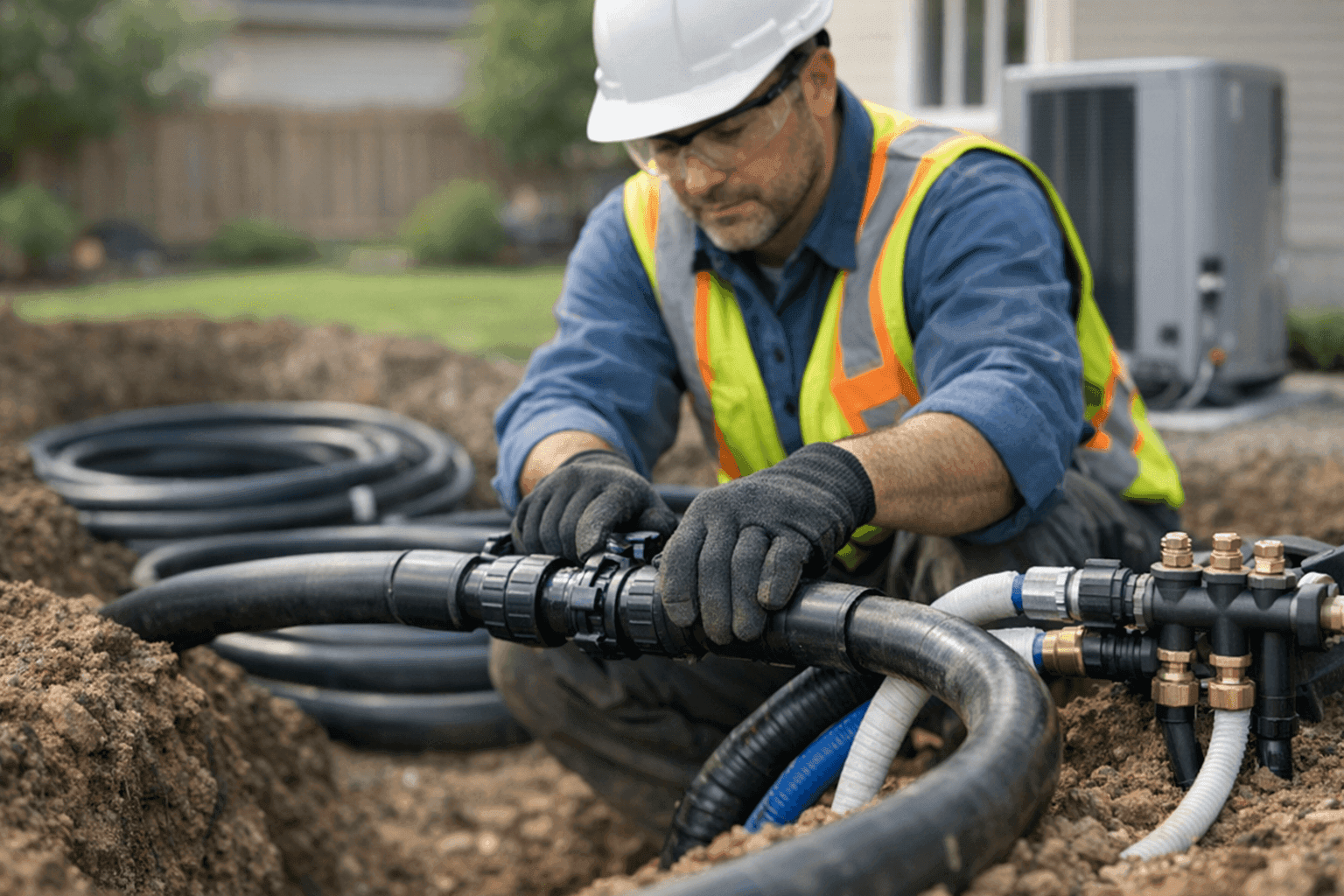
You don’t need to dig to the center of the earth to find comfort. Geothermal heating and cooling puts the planet’s constant underground temperature right to work in your home or business—delivering reliable comfort, year-round, while cutting energy bills and carbon footprints.
Maybe you’ve heard about “Geothermal near you” but wondered: How does it really work? Is it worth the upfront investment? Let’s break it down, step by step, so you can see if it fits your property and goals.
What Is Geothermal? 🌎
Geothermal heating and cooling uses the earth as a natural battery. Just a few feet below the surface, the ground stays at a stable temperature—usually between 50°F–60°F, even when Indiana weather swings from freezing to blazing hot.
Geothermal systems tap into this steady underground temperature to keep your space warm in winter and cool in summer. Instead of burning fuel or using tons of electricity, you’re moving heat back and forth—far more efficient than traditional HVAC.
How Geothermal Heating and Cooling Works
Picture a refrigerator. It doesn’t create cold—it moves heat out. Geothermal heat pumps work in a similar way but use the ground as their heat source (or sink).
The basics:
- Heat pump unit: Installed inside, connected to ductwork or radiant floors.
- Ground loop: Pipes buried outside, circulating fluid underground.
- Heat transfer: In winter, the system absorbs warmth from the earth and delivers it indoors. In summer, it pulls heat out of your building and sends it into the cooler ground.
This closed loop keeps the process going without constant fuel or massive spikes in energy use. According to the U.S. Department of Energy, geothermal heat pumps can reach 300–600% efficiency—even on the coldest nights.
Geothermal System Components
A geothermal setup has a few main parts:
- Ground loop: Horizontal, vertical, or pond/lake loops, depending on your property.
- Heat pump: Extracts or dumps heat.
- Distribution: Air ducts or hydronic (water) systems inside.
- Thermostat: For easy control.
Each part must meet safety and quality codes—like those set by the International Ground Source Heat Pump Association (IGSHPA) and ACCA (Air Conditioning Contractors of America).
Installation Overview: What to Expect
Putting in a geothermal system isn’t a weekend DIY project. Here’s what the process looks like:
- Site Evaluation: A thorough home energy audit (see our Home Energy Audits) checks insulation, ductwork, and soil conditions.
- System Design: Sizing the system to your property’s needs—too small and you’ll struggle in January, too big and you’ll waste money.
- Drilling or Excavation: Ground loops go in—either trenches or deep vertical wells, depending on space.
- Indoor Setup: Heat pump and controls are installed, tied into your existing HVAC system.
- Testing and Commissioning: Everything is checked for leaks, safety, and performance.
The whole process can take a few days to a few weeks, depending on property size and weather.
Why Geothermal Pays Off: The Big Benefits 💡
Geothermal isn’t just a buzzword. It’s a proven, code-compliant solution with decades of real-world performance.
Major benefits include:
- Lower heating and cooling bills: Up to 70% savings, according to the EPA.
- Consistent comfort: No hot or cold spots, even on extreme days.
- Quiet operation: No noisy outdoor compressors.
- Long lifespan: Loops last 50+ years; indoor units about 20–25 years.
- Clean indoor air: No combustion, fewer allergens.
- Safe: No flames, fuel storage, or carbon monoxide risk.
It’s like swapping a drafty single-pane window for triple-pane glass—once you experience the difference, you won’t want to go back.
Costs & ROI: The Real Numbers
Upfront, geothermal costs more than a basic furnace or AC—often $15,000 to $35,000, depending on size and ground conditions. That’s the elephant in the room.
But here’s where the story changes:
- Federal and some state incentives can shrink your net cost by 30% or more (check EnergyStar and DSIRE for current programs).
- Monthly energy savings often pay back the difference in 5–10 years, after which you’re pocketing the savings.
- Higher property value—buyers want efficient, low-maintenance systems.
- Less spent on repairs and replacements over time.
If you’re planning to stay put, the math adds up. And for commercial sites, the payback can be even faster due to higher usage.
Environmental Impact: Greener Comfort
Geothermal cuts greenhouse gas emissions by reducing energy use. According to the U.S. EPA, switching from electric or oil heat to geothermal slashes your carbon output by up to 70%. It’s a real, measurable step toward sustainability—without sacrificing comfort.
Maintenance: Simple but Crucial 🛠️
Geothermal systems are famously reliable. But like any HVAC, a little care goes a long way:
- Annual inspections: Check fluid levels, filters, and heat pump performance.
- Loop checks: Pressure and antifreeze levels (for closed loops) should be checked by a professional.
- Air filter changes: Keep indoor air fresh and system running smoothly.
Schedule routine maintenance with a certified HVAC Installation provider to prevent small issues from becoming big repairs.
Common Misconceptions
You might hear:
- “It only works in mild climates.” Not true. Geothermal thrives even in harsh winters—thanks to the earth’s steady temps.
- “It’s just for new construction.” Retrofit is possible for many existing homes and buildings.
- “My yard is too small.” Vertical loops need only a few square feet; options exist for tight spaces.
Still have doubts? The International Ground Source Heat Pump Association and case studies from the Department of Energy show decades of reliable use in all climates.
Is Geothermal Right for Your Property?
It’s not a one-size-fits-all answer. Best Indy HVAC can assess:
- Soil and yard size
- Existing ductwork or radiant floors
- Your heating/cooling load
- Budget and long-term goals
A proper home energy audit is the first step to see if geothermal fits your needs—or if another high-efficiency solution (like mini-splits or hybrid systems) might be better.
Quick Safety Checklist for Geothermal
- Only use IGSHPA-certified installers.
- Verify all electrical and plumbing connections meet local code.
- Never attempt to repair underground loops yourself.
- Schedule annual maintenance.
DIY vs. Call a Pro
Some HVAC projects are DIY-friendly. Geothermal is not. Drilling, refrigerant handling, and system calibration require specialized training and equipment. Always call a professional with real certifications and a track record of safe, code-compliant work.
What the Pros Do on Arrival
Expect a team to:
- Measure your home or facility
- Inspect insulation and ductwork
- Review your current HVAC setup
- Explain loop options and installation timeline
- Give a clear, written estimate—no surprises
Timeline & Disruption: What to Expect
Geothermal installation can mean a few days of yard work, drilling, or trenching. Indoors, expect some minor duct or plumbing modifications. Most jobs wrap up in a week or two; for larger sites, it can take a bit longer, especially if weather delays excavation.
Materials & Equipment Used
- High-density polyethylene (HDPE) pipe for ground loops
- Non-toxic, environmentally safe antifreeze
- Quiet, high-efficiency heat pumps
- Digital thermostats and smart controls
All components must meet or exceed manufacturer and code requirements (such as ASHRAE and ACCA standards).
Seasonal Considerations for Geothermal
Geothermal shines year-round. In winter, it keeps you toasty; in summer, it cools efficiently without losing steam. Spring and fall are the best times for installation—ground isn’t frozen, and you’re less likely to need heating or cooling during the brief construction window.
Common Mistakes to Avoid
- Undersizing or oversizing the system
- Skipping the home energy audit
- Neglecting routine maintenance
- Hiring unqualified installers
Geothermal is an investment—protect it with proper planning and professional work.
Frequently Asked Questions
Will it work with my old ductwork?
Often yes, but sometimes minor modifications are needed for best airflow and comfort.
How deep do you have to dig?
Vertical loops can be 150–400 feet deep; horizontal loops about 4–6 feet deep. It depends on your lot size and geology.
Can it heat water, too?
Yes! Many systems provide hot water as a bonus—saving even more.
If you need more details or want to talk to local HVAC specialists, check out our services for Geothermal.
Ready to Take the Next Step?
Don’t let another season pass with high bills or uneven comfort. If you’re considering geothermal, want a home energy audit, or just need honest advice on your HVAC options, we’re here to help.
Call Best Indy HVAC now — or reach us anytime at 855-525-5859 .