Geothermal Heating: How It Works & Why It Saves
Is your energy bill climbing higher than you’d like? Tired of patching up the old furnace or AC year after year? You’re not alone. Homeowners and business owners everywhere are searching for a better way to heat and cool their spaces.
At Best Indy HVAC, we’ve seen firsthand how geothermal heating delivers long-term comfort, savings, and peace of mind. Let’s pull back the curtain on this technology—how it works, what it costs, and how it could fit your property.
Geothermal Heating: The Basics and the Big Idea 🌱
Imagine tapping into the earth’s steady underground temperature—like using a warm blanket in winter, or a cool cave in summer. That’s the magic behind geothermal heating. Instead of burning fuel or relying solely on outside air, geothermal systems pull warmth from the ground and move it into your home or business.
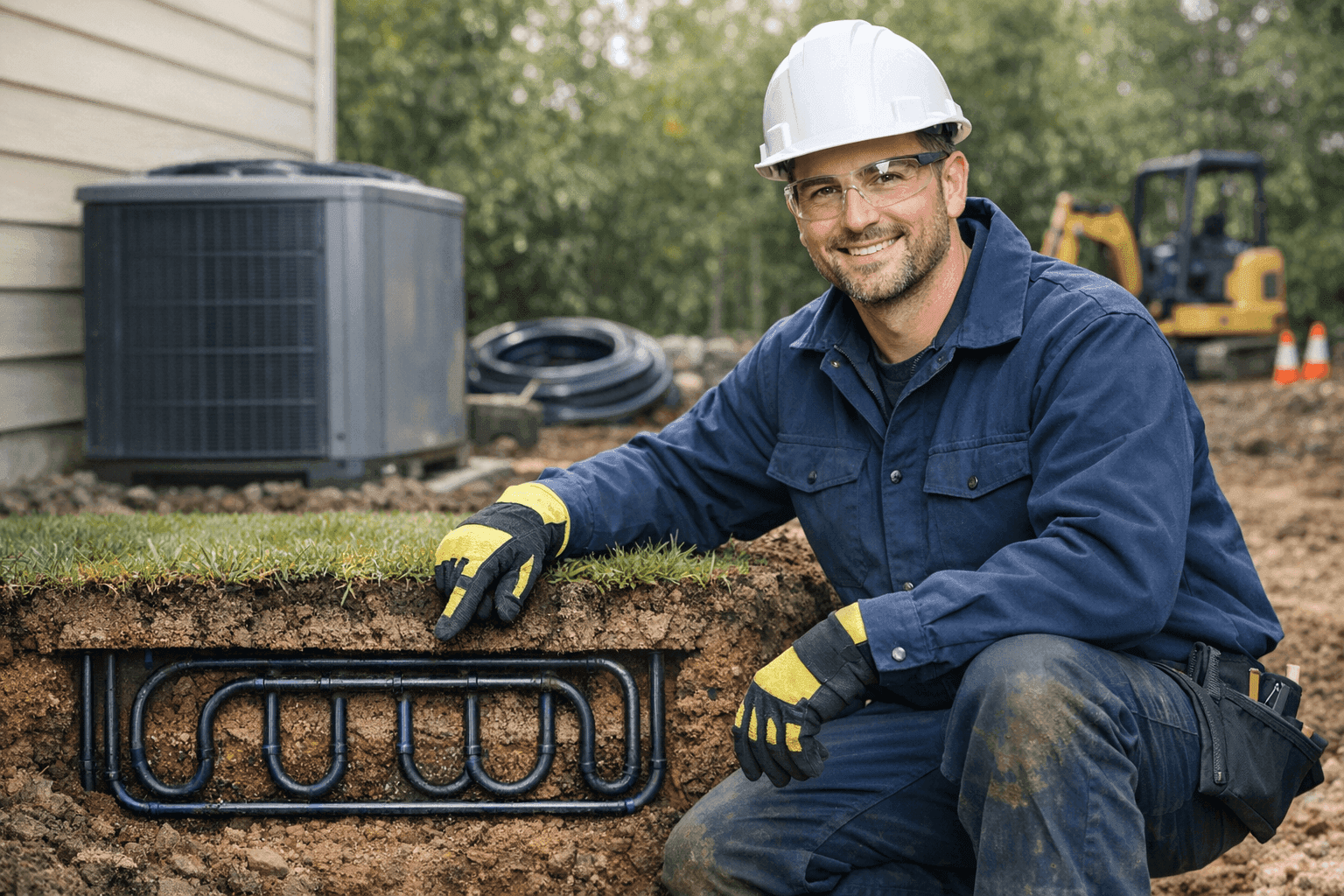
How? Through a network of underground pipes (called “ground loops”) and a heat pump working together. The result? Quiet, consistent comfort—no matter what’s happening outside.
How Geothermal Systems Work: A Simple Walkthrough
Let’s break it down step-by-step:
- Ground Loops: Pipes are buried below the frost line, where the soil stays about 50–60°F year-round.
- Heat Transfer: Fluid circulates through the pipes, absorbing natural heat from the earth.
- Heat Pump: Inside, the system’s heat pump concentrates that warmth and delivers it to your ductwork or radiant system.
- Year-Round Use: In summer, the process reverses—heat is removed from your space and sent back into the ground.
It’s like your house is shaking hands with the planet, swapping warmth as needed.
Geothermal Efficiency: Numbers That Matter
Here’s where geothermal shines. According to the U.S. Department of Energy, geothermal heat pumps use up to 50% less electricity than conventional heating or cooling. That means:
- Lower monthly utility bills (sometimes cut in half).
- Less wear and tear on equipment.
- Smaller carbon footprint.
In dollars and cents, most property owners see payback within 5–10 years, followed by decades of savings.
Installation Basics: What to Expect
Curious what installation involves? Here’s the rundown:
- Site Assessment: Not every yard is a good fit. Soil conditions, lot size, and access all play a role.
- Ground Loop Placement: Options include horizontal trenches (for large lots) or vertical wells (for tighter spaces).
- Indoor Work: The heat pump connects to your existing ductwork or radiant system.
- Timeline: Most residential installs take 2–7 days. Commercial projects may run longer.
Professional HVAC contractors (like our hvac company) follow strict safety guidelines and local codes to ensure a job done right.
Life Expectancy: Built to Last
Geothermal isn’t a short-term fix. Underground loops often last 50+ years. Indoor heat pumps usually run 20–25 years with proper care. Compare that to a typical furnace or AC, which might make it 10–15 years.
Maintenance? It’s less than most people expect. An annual check-up and filter change keep things humming.
Cost Factors and Long-Term Savings
Let’s talk dollars. Yes, geothermal systems cost more upfront than standard HVAC—sometimes double. But factor in:
- 30% federal tax credits (check current IRS guidelines)
- Lower energy bills every month
- Fewer repairs and replacements over time
The real savings reveal themselves over decades, not months. Think of it like investing in a fuel-free engine that keeps running, year after year.
Environmental Benefits: A Cleaner Choice
Geothermal is about more than just saving money. It dramatically reduces greenhouse gas emissions—no on-site combustion, and no exhaust. According to the Environmental Protection Agency, these systems are among the greenest, most efficient heating and cooling options available.
For many, it’s a step toward energy independence and a smaller carbon footprint.
Ground Loops: FAQs and Common Misconceptions
Do you need a huge yard?
Not always. Vertical wells need only a few square feet; horizontal loops need more space.
Will my landscaping be destroyed?
Experienced pros minimize disruption. Most yards bounce back quickly.
Do ground loops ever freeze?
Properly installed loops are below the frost line, so freezing isn’t an issue.
Is maintenance a hassle?
Ground loops are nearly maintenance-free. The heat pump gets an annual check-up—just like a regular HVAC system.
Who’s Eligible? Soil, Lot Size, and Climate
Geothermal fits best where:
- The soil is wet or moist (better heat transfer).
- There’s enough space for loops (vertical or horizontal).
- The property isn’t tightly packed with utilities or large trees.
But don’t rule it out if your space is limited—many urban and commercial sites are a fit, too.
Climate-wise, geothermal works almost everywhere. The ground’s steady temperature means reliable comfort in blazing summers or frigid winters.
Myths vs. Reality: Clearing Up Confusion
Some folks think geothermal is only for new construction. Not true—retrofits are common. Others believe it’s noisy. In reality, these systems run quietly, with no outside unit buzzing away.
And no, geothermal isn’t just for “eco-enthusiasts.” It’s a practical upgrade for anyone who wants lower bills, reliable comfort, and a future-proof investment.
What HVAC Pros Do on Arrival
When you call Best Indy HVAC for a geothermal consultation, here’s what to expect:
- A thorough property inspection
- Soil and space evaluation
- Clear breakdown of options, costs, and timelines
- No-pressure guidance based on your goals
We follow all relevant codes (like ASHRAE and local building safety standards) to protect your investment and your property.
DIY vs. Professional Installation
Geothermal is not a weekend project. Mistakes can be costly or dangerous—ground loops require specialized equipment and know-how. Always hire a licensed HVAC professional for design, installation, and maintenance.
Maintenance and Seasonal Tips
- Change your air filter as recommended.
- Schedule an annual heat pump check-up.
- Keep vents and registers clear of dust and debris.
- Watch for any unexpected spikes in energy use—these may signal a need for a professional look.
Signs of Trouble: When to Call for Help
If you notice:
- Unusual noises from the heat pump
- Sudden changes in comfort or humidity
- Higher-than-normal utility bills
Don’t wait. Early attention prevents bigger, costlier problems.
For 24-hour emergency service or routine care, Best Indy HVAC is here to keep your geothermal system running smoothly.
Geothermal vs. Traditional HVAC: The Big Picture
Geothermal isn’t just another heating system—it’s a leap forward. Lower energy use, longer lifespan, cleaner operation, and greater comfort all add up to an HVAC solution that stands the test of time.
Wondering if geothermal is right for your home or business? Talk with our team. We’ll walk you through every step, from initial assessment to final tune-up.
Ready to Explore Geothermal Near You?
The future of heating and cooling is here. If you’re ready to cut costs, boost comfort, and shrink your energy footprint, geothermal could be the smartest move you make this year.
Call Best Indy HVAC now — or reach us anytime at 855-525-5859 .