Heating Repair: 7 Common Problems and How to Spot Them
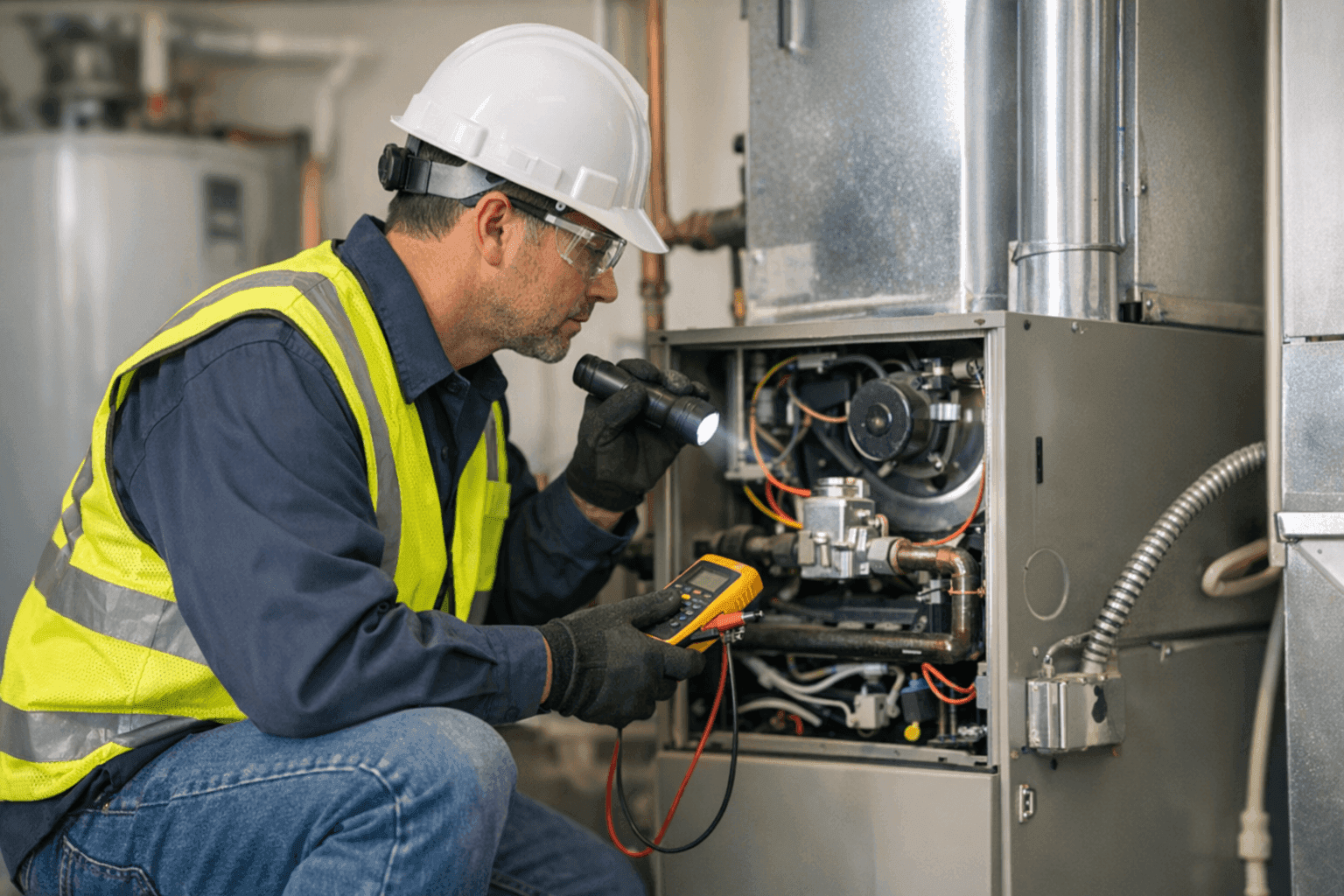
Is your home or business suddenly feeling more like a walk-in cooler than a cozy retreat? Heating issues can sneak up on anyone, and when the cold sets in, every hour without heat feels like an eternity.
At Best Indy HVAC, we know how frustrating furnace failures and heating hiccups can be. Our techs have seen it all, from flickering pilot lights to systems that groan like haunted houses. We’re here to share what to look for—and what to do next—so you can stay safe, warm, and in control.
The Problem List: 7 Common Heating Woes 🔥
When your heating system acts up, the symptoms can be obvious or subtle. Here are seven problems we get calls about all winter long:
- No heat coming from the vents
- System turns on and off rapidly (short cycling)
- Uneven warmth or cold spots
- Banging, rattling, or odd noises
- Spiking energy bills
- Pilot light or ignition issues
- Weak or no airflow
Let’s break these down, so you can spot trouble before it gets worse.
1. No Heat from the System
There’s nothing like waking up to a cold house—except maybe hearing your furnace running but feeling zero warmth. This is the HVAC equivalent of turning the car key and hearing silence.
Warning Signs
- Thermostat set correctly, but nothing happens
- Blower runs, but air is cold
- Unit starts then quickly shuts down
Quick DIY Checks
- Double-check the thermostat is set to “heat” and above room temperature.
- Inspect the circuit breaker. Tripped? Reset it once.
- Make sure your furnace’s power switch is “on.”
When to Call a Pro
If the system won’t start after those checks, or if it trips the breaker again, it’s time for a heating-repair visit. Electrical issues, failed ignitors, or a bad control board are best left to licensed professionals for safety.
2. Short Cycling: The Frequent Stop-and-Go
When your heater turns on, then off, then on again every few minutes, it’s “short cycling.” It’s like your system is stuck in traffic—burning extra fuel, stressing parts, and never reaching the right temperature.
Warning Signs
- Furnace or heat pump starts and stops rapidly
- House never gets truly warm
- Audible “clicks” from the unit
DIY Checks
- Replace or clean the air filter. A dirty filter can cause overheating.
- Make sure supply and return vents aren’t blocked.
When to Call a Pro
If a new filter doesn’t help, call for service. Short cycling can mean a faulty thermostat, flame sensor, or even an oversized system. An expert can diagnose airflow or control issues quickly.
3. Cold Spots and Uneven Heat
Some rooms feel like summer; others could store ice cream. Uneven heating is a classic sign your system’s balance is off.
Warning Signs
- One or more rooms much colder than others
- Vents blowing weakly in certain spaces
DIY Checks
- Open all room vents fully.
- Check furniture isn’t blocking vents.
- Clean return air grilles with a vacuum.
When to Call a Pro
Persistent cold zones may need Heating Maintenance or ductwork fixes. Duct leaks, poor design, or a failing blower motor can all play a part.
4. Odd Noises: Bumps, Bangs, and Rattles
Heating systems should hum quietly—not sound like a marching band. Strange noises are an early warning sign.
Warning Signs
- Loud banging or popping on startup
- Squealing, screeching, or rattling sounds
- Metal-on-metal scraping
DIY Checks
- Check for loose panels and tighten screws.
- Listen for where the noise is coming from: ducts, furnace, or vents.
When to Call a Pro
Persistent or loud noises can mean trouble: cracked heat exchangers, worn bearings, or blower issues. According to the U.S. Department of Energy, never ignore mechanical noises—they often signal unsafe conditions.
5. High Energy Bills Without Extra Warmth
If your bill suddenly jumps and you’re not warmer, your heater is working overtime. It’s like running on a treadmill but getting nowhere.
Warning Signs
- Rising bills, no change in thermostat setting
- System seems to run all the time
DIY Checks
- Inspect and replace clogged filters.
- Schedule regular heating maintenance to keep your system efficient.
When to Call a Pro
If bills stay high, your system may have a failing component, duct leak, or be near end-of-life. An HVAC specialist can perform a home energy audit to track down the issue.
6. Pilot Light or Ignition Problems
Modern systems use electronic ignition, but older units rely on pilot lights. Both can fail, leaving you in the cold.
Warning Signs
- Pilot light won’t stay lit
- Yellow instead of blue flame (carbon monoxide hazard!)
- System clicks but doesn’t ignite
DIY Checks
- Carefully relight the pilot following the manufacturer’s instructions.
- Check for drafts that may blow out the flame.
When to Call a Pro
If the pilot won’t stay lit, or you see a yellow flame, shut off the system and call for help. This is a safety issue. The National Fire Protection Association (NFPA) warns that gas leaks and improper combustion can cause carbon monoxide poisoning.
7. Weak or No Airflow
If your vents barely whisper, or nothing comes out at all, your comfort and air quality suffer.
Warning Signs
- Barely any air from vents
- System overheats or shuts down
DIY Checks
- Replace the air filter. Clogged filters are the #1 cause of airflow issues.
- Check for closed or blocked supply/return vents.
When to Call a Pro
If airflow is still weak, your blower motor, fan belt, or ductwork may be at fault. Don’t try to dig into electrical or mechanical parts yourself—call a pro for safe, code-compliant repairs.
Quick Safety Checklist Before You Start
- Turn off power to your furnace before inspecting.
- Smell gas? Leave immediately and call your gas provider.
- Never bypass safety switches or controls.
- Always check your system’s manual for specific instructions.
DIY vs. Call a Pro: Where’s the Line?
Changing filters, checking thermostat settings, and clearing vents are safe for most homeowners. But if you face:
- Electrical issues (tripped breakers, burnt smells)
- Gas leaks or pilot problems
- Persistent noises or rapid cycling
- Repeated shutdowns
…it’s time to bring in licensed HVAC technicians. Not worth risking injury or voiding your warranty.
What Pros Do On Arrival
Our techs at Best Indy HVAC arrive with specialized tools and safety gear. We:
- Inspect the system for visible and hidden faults
- Test electrical and gas components to code standards
- Use advanced meters to check airflow and combustion
- Explain what’s wrong and recommend options
No guesswork. No shortcuts.
Prevention & Maintenance Tips
- Change your filter every 1–3 months, or as the manufacturer recommends.
- Schedule annual inspections—especially before cold weather sets in.
- Keep vents and grilles dust-free.
- Ask about duct cleaning and air balancing if you notice persistent issues.
Regular heating maintenance keeps your system running longer and more efficiently.
When Is It an Emergency?
- No heat during a freeze? That’s an emergency.
- Smell of gas or burning? Shut it down and exit immediately.
- Carbon monoxide alarm? Leave and call 911, then a qualified HVAC contractor.
Best Indy HVAC offers 24-hour emergency service, because heating failures don’t wait for business hours.
Seasonal Considerations: Winter Prep
Before the first frost, test your system. Listen, smell, and feel for anything unusual. Addressing small problems early can prevent big headaches in January.
Common Mistakes Homeowners Make
- Ignoring early warning signs
- Skipping maintenance to “save money”
- Closing too many supply vents (hurts airflow)
- Attempting DIY repairs on gas or electrical parts
Stay safe. If in doubt, call a professional.
Frequently Asked Questions
Q: How often should I change my filter?
A: Most systems need a new filter every 1–3 months. Pet owners or allergy sufferers may need to change it more often.
Q: Is uneven heating always a furnace problem?
A: Not always. Duct leaks, poor insulation, and blocked vents are common causes.
Q: Can I upgrade my old furnace to a more efficient option?
A: Absolutely. Newer systems, including geothermal near you, offer better comfort and lower bills.
Q: What about businesses or commercial spaces?
A: All these issues apply. Large buildings may also face unique challenges, like air balancing and zone control. Our team is trained for both residential and commercial HVAC.
Q: Where can I find local help for heating repair?
A: Visit our city page for hvac services for fast, professional help in your area.
Don’t let heating troubles leave you out in the cold. If you spot any of these warning signs, or want to schedule seasonal maintenance, we’re here to help.
Call Best Indy HVAC now — or reach us anytime at 855-525-5859 .