Hiring an HVAC Contractor: 10 Questions to Ask First
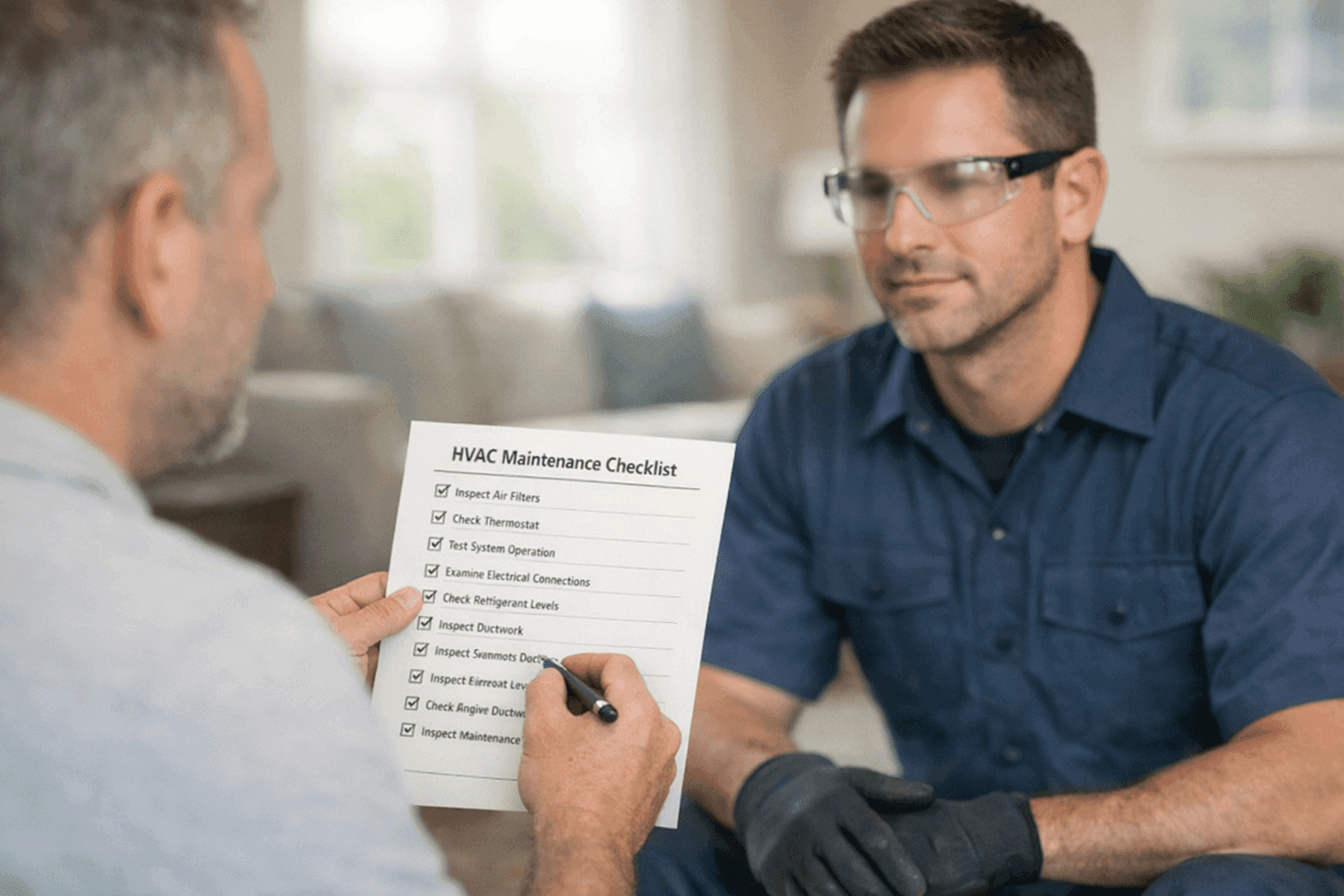
Hiring someone to work on your heating, cooling, or indoor air quality is a big decision. Your comfort, safety, and wallet all depend on getting it right. But too often, folks feel overwhelmed by jargon or pressured into a quick decision.
At Best Indy HVAC, we believe in transparency and equipping you with the right questions—so you can hire confidently whether it’s for a full geothermal system or a quick repair. Here’s your guide to finding the best fit for your home or business.
1. Are You Licensed, Bonded, and Insured? 🛡️
Licensing, bonding, and insurance aren’t just paperwork—they’re your first line of defense. Think of them like a strong lock on your front door. Proper credentials protect you if something goes wrong, from accidental property damage to worker injuries.
Red flag: If a contractor hesitates or dodges this question, walk away. Reputable HVAC companies will not only have these documents, but will gladly show proof.
Pro tip: In Indiana, HVAC contractors must hold a valid license. You can verify this through your city or state’s licensing board.
2. How Much Experience Do You Have With Projects Like Mine?
Not every HVAC job is created equal. Installing a geothermal system isn’t the same as swapping out a filter. Ask about the contractor’s experience with the specific service you need.
- Residential and commercial jobs can differ drastically.
- Complex systems like geothermal or radiant heating require specialized training.
Tip: Request references from past customers who had similar work done.
3. Can You Provide Written Estimates—and What’s Included?
A handshake isn’t enough. Insist on a detailed, written estimate. This should outline labor, equipment, materials, and any extra charges.
- Make sure the estimate covers every aspect, from permits to clean-up.
- Ask if the price could change—and why.
Red flag: Vague or verbal quotes often lead to surprise costs.
4. Who Will Be Doing the Work?
Will the technician showing up at your door be a seasoned professional or a first-day apprentice? It’s fair to ask who will actually be in your home or business.
Consider: Are background checks performed? Is the team trained for your specific system (like geothermal or mini-splits)?
Tip: A reputable contractor will be upfront about their team’s qualifications.
5. What Brands and Equipment Do You Recommend—And Why?
HVAC isn’t one-size-fits-all. The right equipment for you depends on your space, needs, and budget. Ask which brands they carry and why they recommend them.
- Energy efficiency ratings (like ENERGY STAR®) matter for long-term savings.
- Some brands may offer better warranties or reliability.
Resource: The U.S. Department of Energy offers guidance on selecting efficient HVAC systems.
6. What Warranties and Maintenance Plans Do You Offer? 📝
A good contractor stands behind their work. Ask about manufacturer warranties, labor coverage, and ongoing maintenance options.
- Warranties vary from one year to a lifetime—get it in writing.
- Maintenance plans can extend the life of your investment and catch small issues early.
Tip: Clarify what’s covered (and what isn’t) so you’re not left in the cold.
7. How Will the Project Affect My Schedule and Space?
HVAC work can be disruptive. Will you need to move furniture? How long will your system be down? Will there be dust, noise, or other interruptions?
- Get a clear timeline, from start to finish.
- Ask about cleanup and disposal of old equipment.
Red flag: Contractors who promise “no disruption” may not be realistic.
8. How Do You Handle Permits and Code Compliance?
City and state codes exist for a reason: safety. Whether it’s a new geothermal install or a simple repair, ask how your contractor ensures all work is up to code.
- Who pulls the permits—you or them?
- How do they stay updated on the latest building and safety codes?
Reference: The International Code Council (ICC) sets standards for HVAC safety and installation.
9. What Happens If There’s an Emergency or After-Hours Issue? 🚨
HVAC systems don’t always break during business hours. Ask about their emergency services.
- Do they offer 24/7 support?
- What’s the typical response time?
- Who will answer your call after hours?
Tip: Even with backup generators or air scrubbers, knowing help is available can offer real peace of mind.
10. How Do You Handle Air Quality and Energy Efficiency?
Modern HVAC isn’t just about heating and cooling—it’s about healthy air and smart energy use. Ask how their solutions improve indoor air quality and efficiency.
- Do they offer IAQ testing, air scrubbers, or energy audits?
- Can they recommend ways to lower utility bills—like duct cleaning or programmable thermostats?
Resource: The EPA offers guidelines on improving indoor air quality and energy efficiency.
Comparing Bids: Apples to Apples, Not Oranges
It’s tempting to choose the lowest price, but that’s like picking the cheapest parachute. Make sure you’re comparing the same scope of work, equipment, and warranties.
Checklist:
- Are brands and models the same?
- Is installation labor included?
- What about disposal fees or permit costs?
If a bid seems oddly low, ask what’s missing.
Red Flags: When to Walk Away 🚩
Trust your gut—if something feels off, it probably is.
Warning signs:
- High-pressure sales tactics or demands for large up-front payments.
- No physical address or business license.
- Poor online reviews or unresolved complaints with the Better Business Bureau.
Tip: Check for certifications from reputable organizations like NATE (North American Technician Excellence).
Finding Reputable HVAC Providers: Practical Tips
- Ask neighbors, friends, or businesses for referrals.
- Look for transparent, up-to-date websites listing all services (from geothermal to duct cleaning).
- Read reviews on independent sites.
- Interview more than one contractor—don’t rush.
And if you’re looking for trusted hvac specialists, make sure they check every box above.
DIY vs. Call a Pro: Know Your Limits
Changing a filter? Go for it. But for anything involving electrical, refrigerant, or structural changes, it’s time to call a pro. It’s not just about comfort—it’s about safety, efficiency, and long-term value.
Seasonal Considerations: Timing Your Project
Spring and fall are often the best times to schedule non-emergency work. Contractors are less busy, and you’ll avoid the extremes of summer and winter.
Pro tip: Schedule regular maintenance before peak seasons to avoid emergencies.
FAQ: Common Questions from Homeowners and Businesses
Q: Can I finance a new HVAC system?
A: Many contractors partner with lenders to offer financing. Ask what options are available.
Q: How often should I schedule maintenance?
A: At least once a year for both heating and cooling systems.
Q: What’s the best way to improve air quality?
A: Consider air scrubbers, regular filter changes, and professional IAQ testing.
Ready to Hire With Confidence?
Asking these 10 questions puts you in control—no matter the size of your project. Whether you’re exploring geothermal, need an urgent repair, or want cleaner indoor air, Best Indy HVAC is here to help you make the right choice.
Call Best Indy HVAC now — or reach us anytime at 855-525-5859 .