Home Energy Audits: What to Expect and How to Prepare
Is your home drafty in winter but stuffy in summer? Does your energy bill keep climbing—no matter how many times you adjust the thermostat? If this sounds familiar, you’re not alone. Many homeowners and business owners are surprised by just how much energy leaks out of their buildings. That’s where a home energy audit comes in.
At Best Indy HVAC, we take a science-based approach to solving these energy puzzles. With experienced auditors and proven tools, we help you find the leaks, the weak spots, and the opportunities to save.
Why Get an Energy Audit? 🏡
A home energy audit is like a checkup for your house or business. Just as a doctor finds the root of your symptoms, an auditor looks for the causes of high bills, uneven temps, and indoor air quality issues. Here’s why it matters:
- Lower Energy Bills: Fixing leaks and inefficiencies means your HVAC system works less—saving you money month after month.
- Comfort Boost: No more rooms that feel like freezers or saunas.
- Healthier Air: Identify sources of dust, mold, or allergens that affect your well-being.
- Proven ROI: According to the U.S. Department of Energy, simple weatherization upgrades can cut heating and cooling costs by up to 30%.
- Smart Upgrades: Get a clear roadmap, whether you’re considering geothermal near you or a new high-efficiency furnace.
What to Expect During an Audit
An energy audit isn’t just a quick look around. It’s a full assessment, using tools and techniques designed to reveal what the eye can’t see. Here’s the typical process:
On Arrival
Our auditor introduces themselves, explains each step, and answers your questions. Then, they ask about your concerns—drafts, high bills, fluctuating temperatures, or allergy symptoms.
Inspection Steps
- Visual Walkthrough: We look at insulation, windows, doors, attics, basements, and crawl spaces.
- HVAC Analysis: Your system gets checked for age, efficiency, and safety. Air filters, thermostat settings, and ductwork are reviewed.
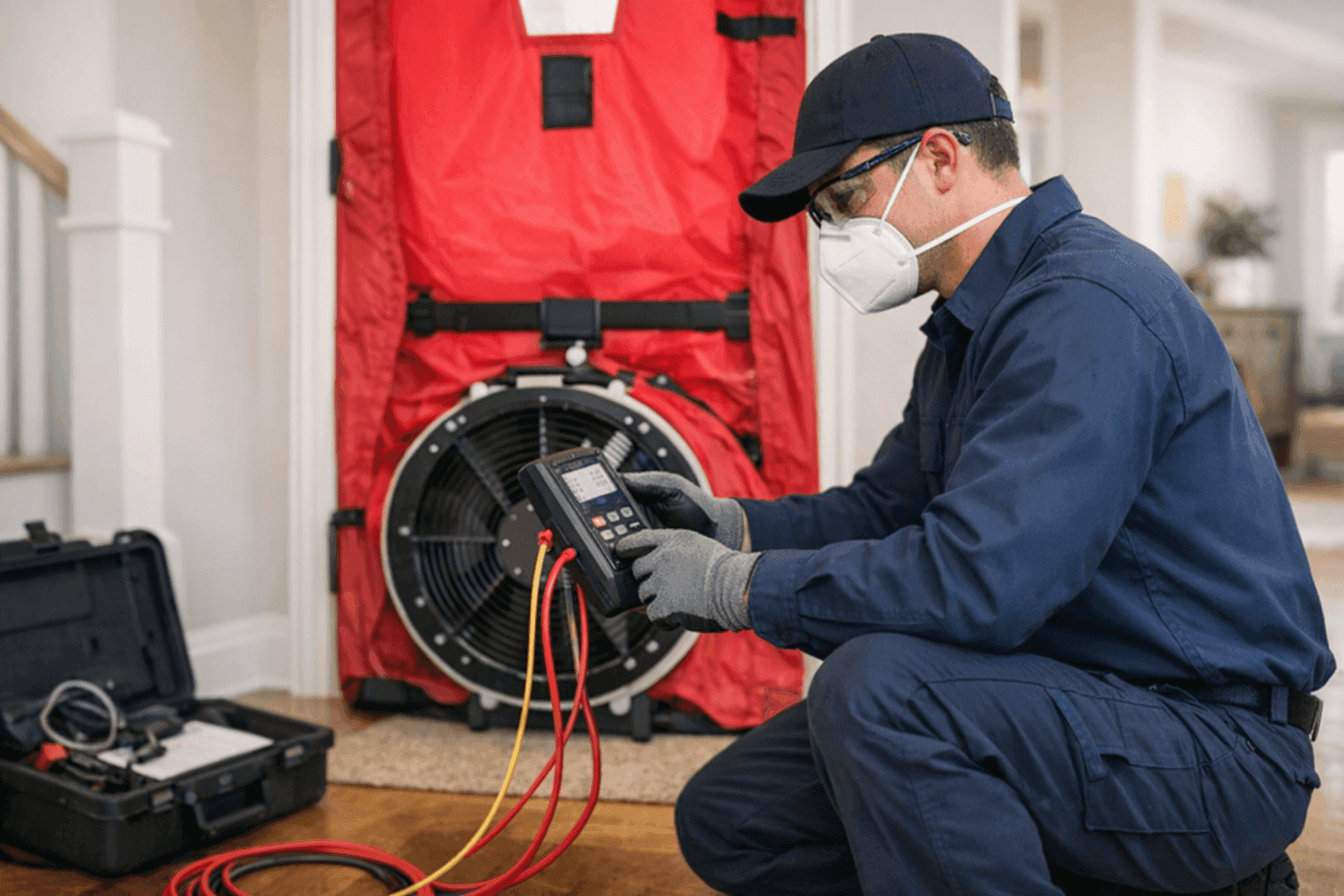
- Blower Door Test: A special fan is placed in an exterior door. It pulls air out, exaggerating leaks so we can measure where your home is “leaking” energy.
- Thermography (Infrared Scan): With a thermal camera, we spot cold or hot spots—think of it as seeing your home’s “energy bruises.”
- Mechanical Checks: If you have exhaust fans, whole-house fans, or dehumidifiers, these get a quick review too.
- IAQ and Moisture Testing: We check for humidity, air quality, and signs of mold or excess moisture.
What Auditors Look For
- Gaps, cracks, or poorly sealed windows/doors
- Insufficient or missing insulation
- Leaky or dirty ducts
- HVAC system issues (short cycling, old equipment)
- Poor ventilation or blocked exhausts
- Problems with thermostats or controls
Prep Checklist: How to Get Ready
A little prep can make your audit smoother. Here’s what you can do before we arrive:
- Clear Access: Move furniture away from windows, doors, attic hatches, and HVAC equipment.
- Unlock Spaces: Make sure we can get into the attic, crawlspace, basement, or utility rooms.
- List Concerns: Jot down rooms that feel drafty, too hot/cold, or have strange smells.
- Gather Bills: Have your past 12–24 months of utility bills on hand. This helps us spot patterns.
- Secure Pets: Keep pets away from work areas for their safety and ours.
- Plan for a Draft: During the blower door test, your home will get extra breezy for about 20–30 minutes.
Common Tests Explained
Blower Door Test
Think of your house like a balloon. If it’s leaky, air escapes everywhere. The blower door test “pressurizes” your home to find those leaks, using precise gauges to measure airflow.
Infrared Thermography
A thermal camera translates heat into color—blue for cold, red for warm. This lets us see hidden gaps, missing insulation, or drafty spots behind walls.
Duct Leakage
Leaky ducts waste energy and suck in dust or allergens. We may measure duct pressure or use a smoke pencil to reveal leaks.
DIY Fixes vs. Calling a Pro
Some energy leaks are easy to spot—a door draft, a missing caulk strip. Others hide in walls or attics, or in complex HVAC systems. A professional audit uses specialized equipment and training, digging deeper than most DIY checks ever could.
And while a weatherstrip or new filter is a simple fix, properly sealing ducts or improving insulation often requires pro experience and code knowledge.
Timeline & Disruption: What to Expect
A typical energy audit takes 2–4 hours for most homes, longer for commercial spaces. During the blower door test, you’ll feel a breeze as outdoor air rushes in. We’ll need to turn off combustion appliances and close all doors and windows. You can stay in the building, but expect some temperature swings during the test.
Real-World Findings: What We Discover
Every building is unique, but here are some of the most common findings:
- Attic insulation is thin, missing, or out of code
- Ducts are leaking or full of dust (see Duct Cleaning)
- Windows are drafty, especially older single-pane models
- HVAC filters are dirty or wrong-sized (see HVAC Maintenance)
- Crawlspaces are unsealed, letting moisture (and critters) inside
- Thermostats are placed poorly, causing uneven heating or cooling
Many of these are fixable with routine maintenance or targeted upgrades.
Interpreting Your Audit Results 📋
When the audit is done, we’ll walk you through a detailed report. Here’s what you’ll see:
- Energy Score: Like a report card, showing how efficient (or inefficient) your home is compared to similar buildings.
- Photos & Thermal Images: See exactly where energy escapes.
- Priority List: Repairs/improvements ranked by impact and cost.
- Safety Notes: Alerts if we find combustion backdrafting, carbon monoxide, or wiring issues.
We’ll explain each finding in plain language—no jargon, just the facts.
How Audit Results Can Lower Your Bills
Every recommendation is tied to real savings. Here’s how:
- Sealing Air Leaks: Keeps conditioned air in, so your HVAC doesn’t run nonstop.
- Upgrading Insulation: Reduces heat loss in winter, keeps cool air in during summer.
- Duct Repairs: Boosts airflow and indoor air quality, slashing wasted energy.
- HVAC Tune-Ups: An efficient system costs less to run—especially if you schedule regular HVAC Maintenance.
- Smart Thermostats: Fine-tune comfort and cut costs automatically.
Even small fixes, like a new filter or weatherstripping, can pay for themselves in a single season.
Prevention & Maintenance: Staying Ahead
Regular audits and maintenance catch small issues before they become big problems. Annual or seasonal checkups are best—especially before peak heating or cooling months. Don’t forget, keeping ducts clean and filters fresh can make a big difference.
For more on seasonal strategies, see the EPA’s Home Energy Yardstick and ENERGY STAR’s guide to home sealing.
When to Schedule an Energy Audit
- Your bills are unusually high or keep climbing
- You’re planning upgrades (HVAC, windows, insulation, geothermal near you)
- Indoor air feels stale or rooms are always too hot/cold
- You’re buying or selling a home or business
- It’s been years since your last audit
FAQ: Quick Answers
Q: Will an audit disrupt my day?
A: Most audits finish in half a day. There’s a short period when the home gets drafty, but you can stay onsite.
Q: Is it worth it for newer homes?
A: Absolutely. Even new builds can have hidden leaks or poor insulation. An audit gives you peace of mind.
Q: Will I need new windows?
A: Not always. Many times, simple air sealing or shade changes solve the problem.
Q: Do you check commercial buildings?
A: Yes! We audit both homes and businesses. The process is similar but scaled up.
Safety First: Code and Best Practices
Our team follows ASHRAE standards and local building codes for every inspection. We use calibrated equipment and up-to-date safety practices—protecting your comfort and your investment.
Next Steps: Taking Action
You’ll get a clear, actionable plan after your audit. Some upgrades you can do yourself—like sealing small gaps or changing filters. Others, like duct sealing or insulation, are best handled by seasoned pros.
If you’re ready to boost comfort, cut bills, and breathe easier, let’s schedule your audit. For homeowners in every neighborhood—including those looking for trusted hvac services, check out our hvac resources.
Call Best Indy HVAC now — or reach us anytime at 855-525-5859 .