Home Energy Audits: What to Expect & Why They Matter
Is your home or commercial building always a little too hot, or chilly in spots, no matter how much you adjust the thermostat? Do your energy bills make you wince every month? You're not alone. At Best Indy HVAC, we know how frustrating those problems can be.
A home energy audit is like a checkup for your building—a smart step that helps reveal hidden issues and shows you a clear path to savings and lasting comfort.
What Is a Home Energy Audit?
Think of a home energy audit as a detective’s investigation for your energy use. Our skilled technicians look for every draft, cold spot, and energy thief in your building. This process shines a light on wasted energy, pinpointing where your heating, cooling, and ventilation can work smarter, not harder.
What Gets Tested During an Audit? 🔎
During a professional audit, we examine several key areas:
- Insulation levels in attics, walls, and crawlspaces
- Windows and doors for leaks and drafts
- HVAC system performance and airflow
- Ductwork for leaks or blockages
- Lighting and appliances energy consumption
- Air quality and ventilation effectiveness
We leave no stone unturned—whether you’re interested in Geothermal near you, have a classic furnace, or rely on mini-splits.
Typical Equipment Used by the Pros
Energy audits use more than just a sharp eye. Our team arrives with specialized tools, including:
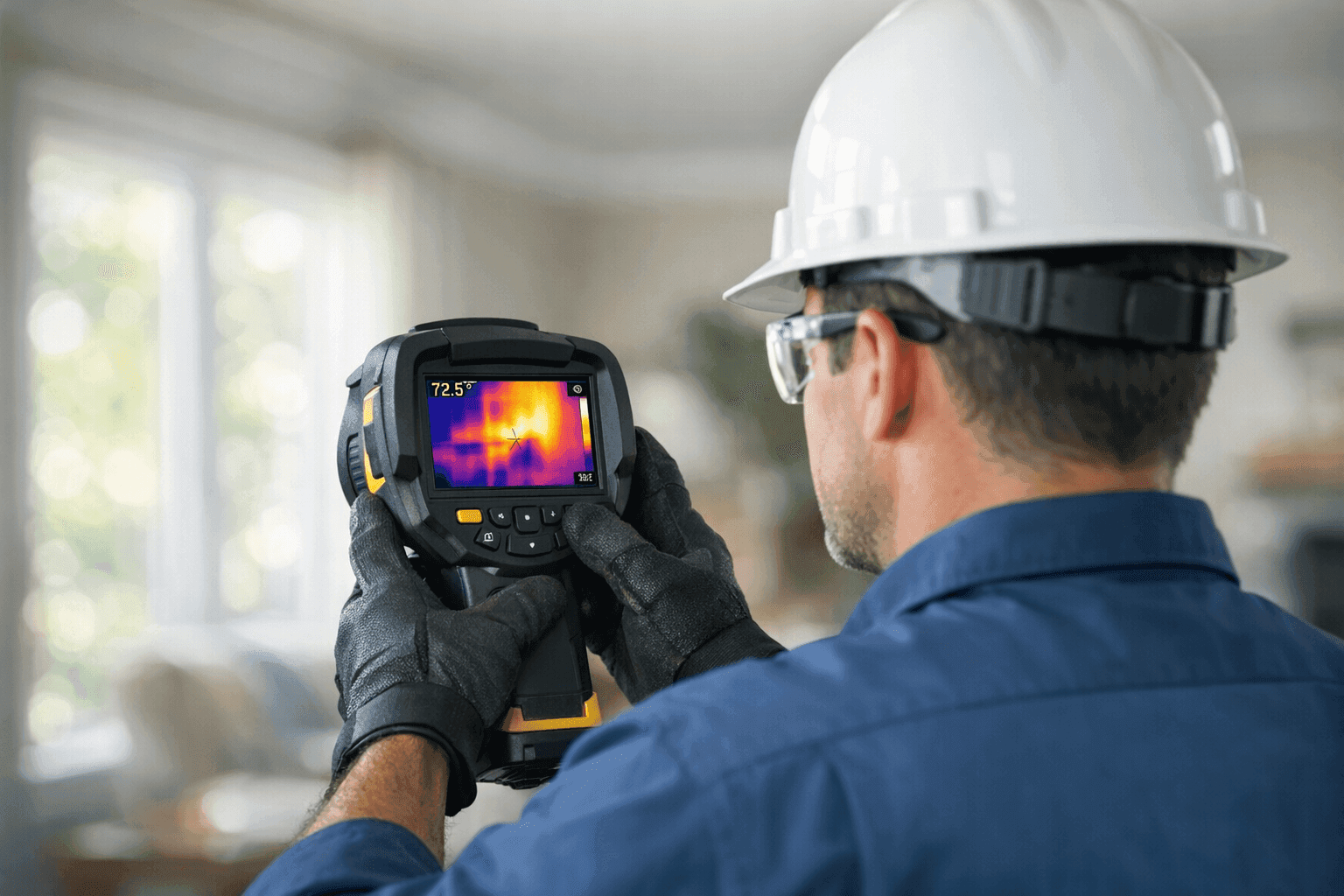
- Infrared cameras: Reveal invisible hot and cold spots
- Blower doors: Test how much air escapes from your home
- Smoke pencils: Expose sneaky drafts
- Moisture meters: Detect hidden dampness in walls
- Combustion analyzers: Assess furnace and boiler safety
These tools help us see what the naked eye can’t, much like a doctor using an X-ray to diagnose a mysterious ache.
What Happens When the Technician Arrives?
Our technician will walk through your building with you, asking questions about comfort issues, past repairs, and your utility bills. They’ll inspect your HVAC system, windows, insulation, and more. The process is thorough but respectful of your time.
Expect some equipment setup, like temporarily sealing doors for the blower door test. All safety guidelines—like those published by the U.S. Department of Energy—are followed closely.
How Are Results Delivered?
After the audit, you’ll receive a detailed report that’s easy to understand. This summary highlights:
- Where energy is being lost
- Which repairs or upgrades can help
- Estimated savings for each improvement
- Prioritized recommendations for action
Think of it as a roadmap for your comfort and savings journey. We’re always available to answer questions or help sort through your options.
Common Problems Uncovered
Insulation Gaps
Many homes—especially older ones—have insulation that’s thin, patchy, or even missing entirely in places. This is like wearing a winter coat with holes—warmth escapes, and your HVAC works overtime.
Air Leaks and Drafts
Cracks around windows, doors, or electrical outlets act as sneaky energy thieves. Even tiny gaps can leak plenty of heated or cooled air, sending your utility bills skyward.
Inefficient HVAC Equipment
Sometimes, the HVAC system itself is the culprit. Maybe it’s outdated, improperly sized, or in need of maintenance. Audits often catch these silent energy hogs before they become wallet-draining emergencies.
Other Typical Findings
- Blocked or leaky ducts
- Poorly sealed attic hatches
- Inefficient lighting or large appliances
- Excess moisture or humidity issues
- Carbon monoxide risks from older furnaces or water heaters
DIY vs. Professional Energy Audits
You can do a basic check for drafts or visible leaks, but professional audits offer far more. Our team uses advanced equipment, technical know-how, and up-to-date code knowledge. We catch what DIY often misses, and our training means we spot problems safely.
Safety First: What We Check
Safety is non-negotiable. We check for:
- Gas leaks
- Carbon monoxide buildup
- Electrical hazards
- Mold or indoor air quality threats
We follow standards from respected sources like the Building Performance Institute and Energy Star guidelines.
How Long Does a Home Energy Audit Take?
Most residential audits take between 2–4 hours. Larger commercial buildings can take longer. We work efficiently and keep disruption to a minimum, so your daily routine stays on track.
What’s the Cost—and Is It Worth It?
Home energy audits are an investment that pays you back. The cost depends on your building’s size and needs. Most clients see real savings on their utility bills—sometimes enough to pay back the audit within a season or two.
Why Energy Audits Matter for Comfort and Savings 🏠
When your building is tight and efficient, you feel the difference. Rooms heat and cool evenly, drafts disappear, and humidity stays balanced. Your HVAC system runs less, saving wear and tear (and money). You breathe easier, too, with better air quality.
Real-World Benefits: Lower Bills, Fewer Repairs
A thorough audit often cuts energy costs by 5–30%. That adds up. Plus, solving small issues early means fewer expensive breakdowns or emergency calls later.
How Audits Improve Indoor Air Quality
Sealing leaks and improving ventilation reduces allergens, dust, and humidity problems. Our auditors also recommend the right air scrubbers, filters, or dehumidifiers as needed.
For more on keeping your air clean, see our Indoor Air Quality services.
Commercial Energy Audits: What’s Different?
For businesses, energy audits also consider:
- Commercial-grade HVAC and ventilation
- Specialized equipment or kitchen exhausts
- Sheet metal ductwork
- Compliance with OSHA and local codes
We work around your business hours to minimize disruption and provide clear, actionable results for property managers and owners.
Seasonal Timing: When Should You Get an Audit?
Any time is a good time for an audit, but spring and fall are ideal. You’ll catch issues before the next heating or cooling season. If you notice rising bills, uneven temperatures, or musty smells, don’t wait.
What Happens After the Audit?
We don’t just hand you a report and disappear. Our team is here to answer questions, clarify findings, and help you prioritize improvements. You can choose to have us handle upgrades or use your own contractor.
We also offer HVAC Maintenance to keep your system running efficiently all year.
Energy Audit Myths Debunked
- Myth: “It’s only for old homes.”
Fact: Even new builds can have energy leaks or HVAC inefficiencies. - Myth: “Upgrades are always expensive.”
Fact: Many fixes are affordable—and some, like sealing leaks, are quick wins. - Myth: “I’ll have to replace everything.”
Fact: Most audits recommend a mix of improvements, from small fixes to larger upgrades.
How to Prepare for Your Audit
- Gather recent utility bills for review
- Make a list of comfort problems or rooms with issues
- Clear access to attics, crawlspaces, and HVAC equipment
- Secure pets and let family or staff know when the audit will take place
Choosing the Right HVAC Company
Look for a team that’s transparent, certified, and committed to follow-up support. Ask about their tools, processes, and experience with both homes and commercial buildings.
If you’re ready to get started, our hvac specialists are here to help—wherever you are.
A home energy audit is the first step toward comfort, savings, and peace of mind. If you’re tired of sky-high utility bills or mystery drafts, let Best Indy HVAC show you what’s possible.
Call Best Indy HVAC now — or reach us anytime at 855-525-5859 .