How Home Humidifiers and Dehumidifiers Boost Comfort
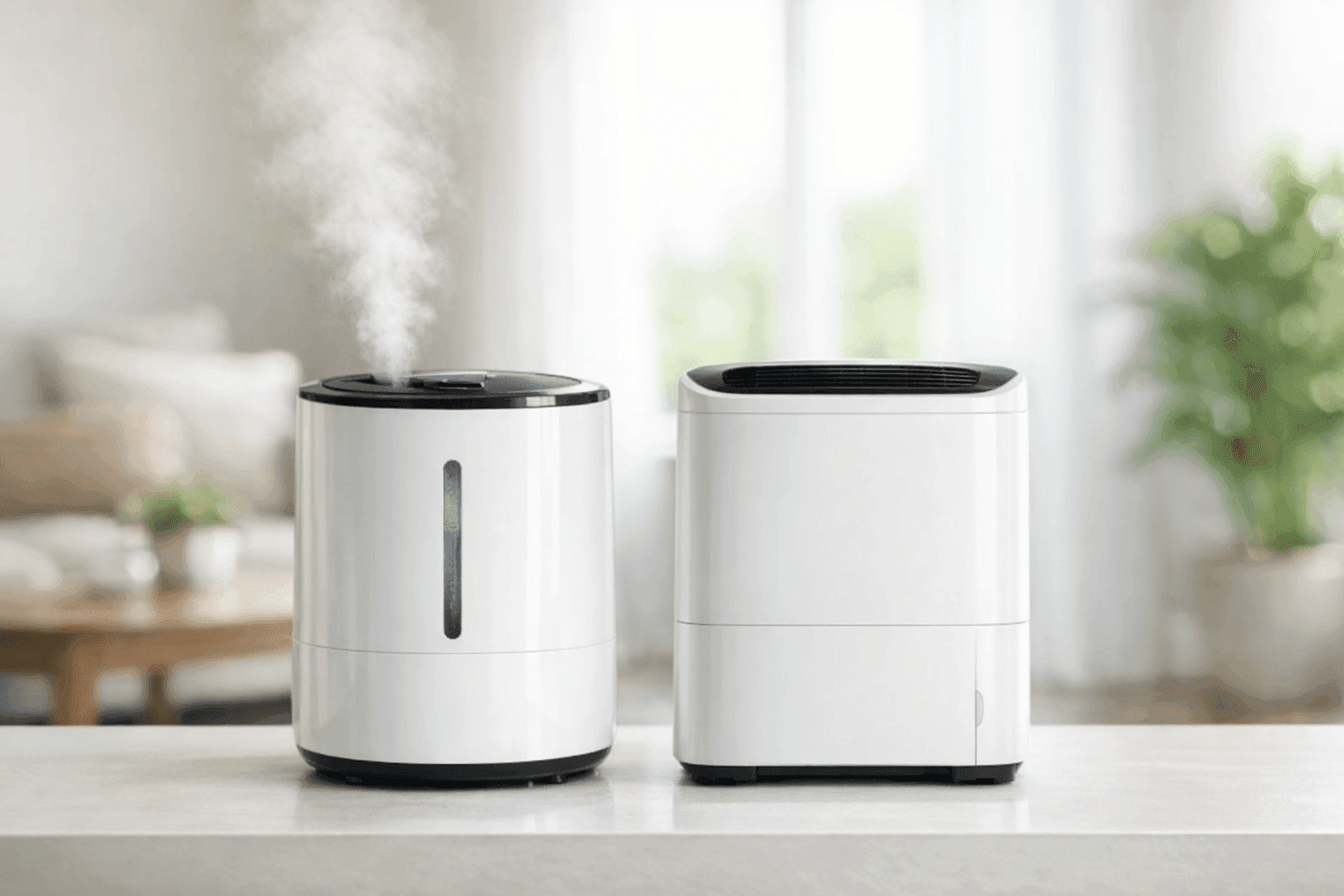
Humidity. It’s invisible, but you can feel it in your bones—or your sinuses—when it’s out of balance. Too much makes your home feel muggy. Too little and you’re reaching for lotion and lip balm every hour.
At Best Indy HVAC, we know the right humidity isn’t just about comfort. It’s about health, energy savings, and even protecting the bones of your house. Let’s clear the air.
Why Humidity Matters
Picture a summer day when the air hangs thick and heavy. Hard to breathe, right? Now flip to winter—the air is so dry it crackles. Both extremes spell trouble.
The U.S. Environmental Protection Agency (EPA) and the American Society of Heating, Refrigerating and Air-Conditioning Engineers (ASHRAE) recommend keeping your indoor humidity between 30% and 50%. Why? Here’s what can go wrong outside that sweet spot:
- Low humidity: Dry skin, itchy eyes, static shocks, nosebleeds, and respiratory discomfort. Wood floors and furniture can crack or warp.
- High humidity: Mold, dust mites, and bacteria thrive. Allergies get worse. Wallpaper peels. You feel sticky, and your AC works overtime.
Keeping humidity balanced helps your HVAC work efficiently, lowers energy costs, and supports a healthy home or business.
Signs You Have a Humidity Problem
Sometimes, humidity is like a silent guest in your home—until it makes a mess. Here’s what to look for:
- Condensation on windows or walls
- Musty smells
- Warped wood or peeling paint
- Static electricity
- Worsening allergies or asthma
- Frequent nosebleeds or dry throat
If you check off more than one, it’s time to take action.
How Humidifiers and Dehumidifiers Work
Think of these systems as the air’s personal trainers—helping it stay in shape.
- Humidifiers add moisture, usually by evaporating water into the air. They’re lifesavers in winter, when heating strips the air dry.
- Dehumidifiers pull excess moisture out, collecting it in a reservoir or draining it away. These shine in muggy summers—or in basements and crawlspaces where dampness lingers.
Both can be installed as stand-alone units or integrated into your hvac system for whole-home coverage.
Choosing the Right Solution 🛠️
Every house and business is unique. Here’s how to pick what fits your needs:
- Portable units work well for single rooms or problem spots.
- Whole-home systems connect to your existing hvac for consistent results everywhere.
- Smart controls let you monitor and adjust humidity from your phone or thermostat.
Consider factors like square footage, local climate, and whether you have allergy sufferers or sensitive equipment. If you’re unsure, a home energy audit can point you in the right direction.
Health Benefits: More Than Comfort
Balanced humidity does more than keep hair frizz at bay. It helps:
- Reduce respiratory infections
- Control dust mites and allergens
- Prevent mold growth, according to the Centers for Disease Control and Prevention (CDC)
- Maintain skin and eye comfort
This means fewer sick days, better sleep, and happier families or employees.
Humidity and Your HVAC Efficiency
Ever notice your AC working harder on muggy days? High humidity makes your cooling system sweat. The air feels warmer than it is, so you crank the thermostat—costing you more.
On the flip side, dry air in winter means you’ll jack up the heat, but still feel chilly. Balancing humidity lets your hvac system do its job without wasting energy. That means lower bills year-round.
DIY Humidity Check: Quick Safety Checklist
Want to play detective? Here’s what you can do before calling the pros:
- Buy a digital hygrometer. Affordable and available at most hardware stores.
- Test multiple rooms. Humidity can vary floor-to-floor.
- Look for visible signs (condensation, mold, warped wood).
- Change HVAC filters regularly—clogged filters make everything worse.
If your readings are outside that 30–50% range, it’s time to take the next step.
When to Call in the Pros
Some things are best left to the experts. If you notice:
- Persistent mold or musty odors
- Chronic allergy symptoms
- Water leaks or visible moisture damage
- Unexplained spikes in your energy bill
A professional from Best Indy HVAC can diagnose the real cause and recommend the right fix. Our team handles everything from IAQ testing to installing humidifiers and dehumidifiers tailored to your space.
What Pros Do On Arrival
When we visit your home or business, here’s our playbook:
- Inspect your hvac system for leaks, blockages, or outdated equipment.
- Test indoor air quality (IAQ), including humidity and contaminants.
- Recommend solutions customized for your environment and budget.
- Explain how to use and maintain your new system.
No guesswork. Just straight answers.
Prevention & Maintenance Tips 🧰
Even the best equipment needs a little TLC:
- Change water and filters in humidifiers as recommended—usually every 1–3 months.
- Clean dehumidifier coils and empty water tanks to prevent mold.
- Schedule annual HVAC maintenance with a licensed technician.
- Check for leaks and standing water around units—moisture should go where it’s supposed to.
Pro tip: Mark your calendar or set reminders so you don’t forget.
Common Mistakes to Avoid
- Ignoring humidity until a big problem pops up.
- Running a humidifier and dehumidifier at the same time in the same space.
- Using tap water in humidifiers (can cause mineral buildup).
- Skipping regular filter changes.
Catch these early and you’ll save yourself time, money, and headaches.
Seasonal Considerations
Humidity isn’t static. It shifts with the seasons:
- Winter: Dry air is common. Humidifiers help.
- Summer: High humidity reigns. Dehumidifiers shine.
- Shoulder seasons: Monitor and adjust as needed.
Regular checks keep you ahead of the curve.
Timeline & Disruption: What to Expect
Worried about downtime? Most installations take just a few hours. You can expect:
- Minimal noise or mess
- Clear instructions on operation
- Immediate improvement in comfort
We’ll work around your schedule—whether your needs are residential or commercial.
Costs & Time Factors
There’s a range, depending on the system and your space. Portable units are budget-friendly for spot fixes. Whole-home solutions are an investment, but pay off with lower energy bills and fewer repairs down the road.
Ask about energy rebates or credits—sometimes local authorities or utilities offer incentives for improving indoor air quality.
FAQ: Quick Answers
Q: How do I know if my humidity is too high or too low?
A: Use a hygrometer. Signs like condensation, static, or musty smells are also clues.
Q: Will humidity control help my allergies?
A: Yes, balanced humidity reduces dust mites, mold, and other triggers.
Q: Can I install a humidifier or dehumidifier myself?
A: Portable units, yes. Whole-home systems are best left to a professional.
Q: How often should I clean my units?
A: Check manufacturer instructions, but generally every 1–3 months for filters and tanks.
IAQ Impacts: The Bigger Picture
Humidity isn’t just about comfort—it’s a key part of Indoor Air Quality. Balancing it protects your health, preserves your building, and helps your hvac run smoother.
If you’re searching for a trusted hvac company with a track record of improving indoor environments, look no further than our service area in Monroe—our team has years of experience handling all aspects of humidity and air quality. For more information, see our hvac page.
Final Thoughts: Breathe Easier, Live Better
Don’t let invisible problems steal your comfort. Whether it’s a dry winter or a sticky summer, the right humidity control makes all the difference—for you, your family, or your business.
Call Best Indy HVAC now — or reach us anytime at 855-525-5859 .