Hood & Exhaust Installation: Restaurant Safety Essentials
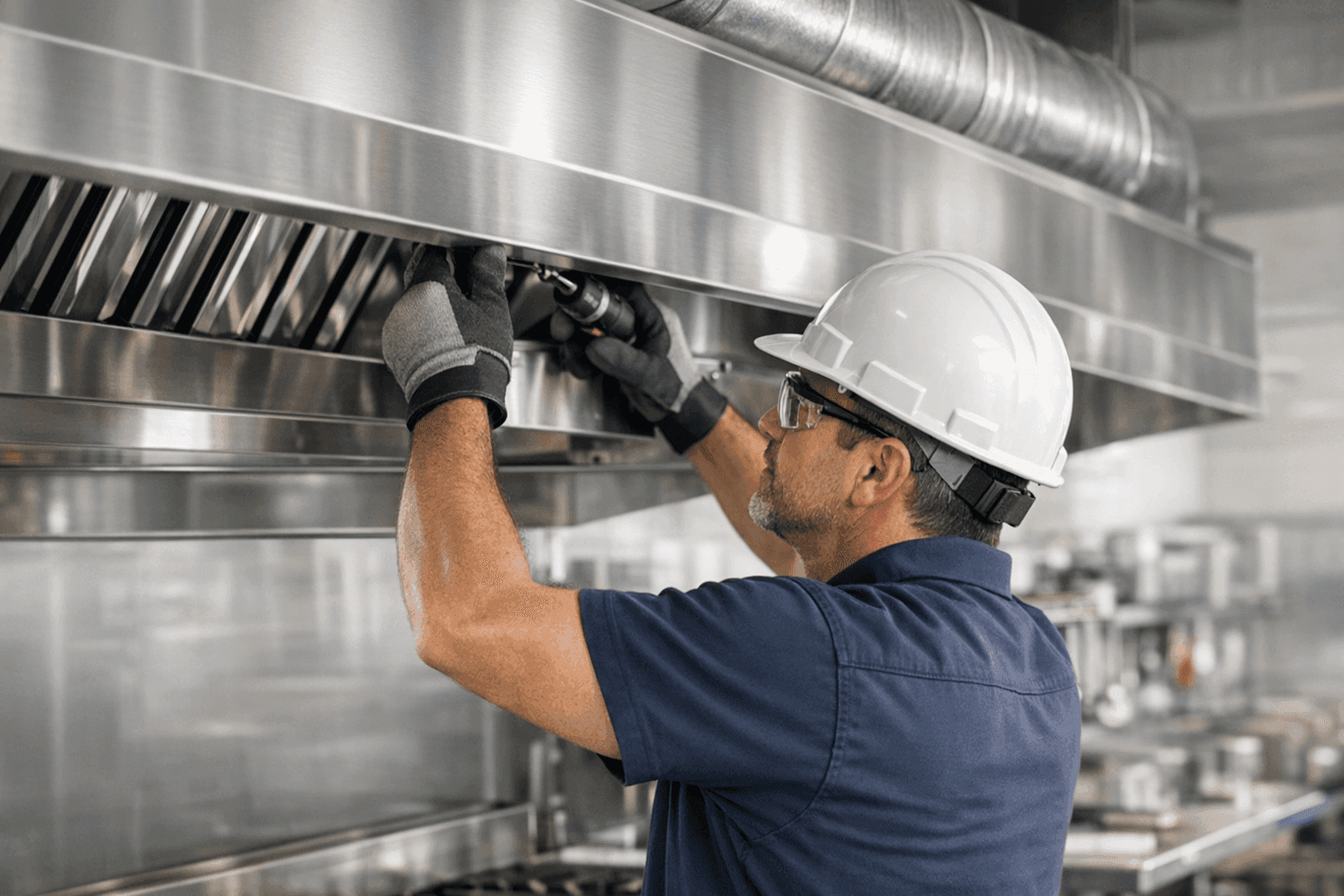
Running a restaurant isn’t just about the menu or the vibe. It’s about keeping your staff and guests safe every single day. The heart of that safety? A proper hood and exhaust system. Without it, a kitchen can go from bustling to hazardous in the blink of an eye.
At Best Indy HVAC, we’ve seen every scenario—from sparkling new builds to older kitchens with hidden dangers. Let’s break down why hood and exhaust installation is far more than a checkbox; it’s your front line of defense.
Why Hood & Exhaust Systems Matter
Imagine the kitchen as a ship’s engine room. Heat, smoke, and grease build up with every shift. Your hood and exhaust? That’s the ventilation shaft that keeps the ship afloat. Without it, the risk of fire, poor air quality, and failed inspections rises fast.
A correctly installed system:
- Captures smoke, grease, and heat before they spread
- Moves contaminated air safely outside
- Keeps kitchen air breathable and comfortable
- Reduces fire hazards and meets health codes
Understanding Restaurant Safety Codes 🛑
Every commercial kitchen in the U.S. must meet strict safety standards. The National Fire Protection Association (NFPA 96) sets the bar for ventilation control and fire protection. Local building codes and your health department add more layers.
Key requirements:
- Hoods must be sized to match the cooking appliances beneath them
- Grease filters should be accessible and removable for cleaning
- Exhaust ducts must be constructed of approved materials and routed for easy inspection
- Fire suppression systems must be integrated and maintained
Inspectors want to see documentation, clean filters, and clear, direct airflow paths. Falling short isn’t just risky—it can shut down your kitchen.
The Hood & Exhaust Installation Process
Proper installation is like crafting a tailored suit. It has to fit your kitchen’s exact dimensions and equipment.
Here’s what the process looks like:
- Site Assessment: Measuring, identifying appliance layout, and airflow needs
- System Design: Matching hood type (Type I for grease, Type II for steam/heat) with your menu and equipment
- Duct Routing: Planning a safe path for exhaust with minimal bends and fire-resistant materials
- Fire Suppression Integration: Installing nozzles and triggers inside the hood
- Final Connections: Wiring fans, controls, and verifying pressure ratings
- Testing: Ensuring airflow rates meet code and there are no leaks
Trying to cut corners here? That’s like putting a bandage on a broken pipe. It won’t hold.
Fire Prevention: The #1 Priority
Nothing shuts down a restaurant faster than a kitchen fire. Grease accumulates in hoods and ducts, just waiting for a spark. The NFPA reports that most restaurant fires start in the cooking area. Your hood and exhaust system, when installed right, is the first shield.
Best practices:
- Use UL-listed hoods and fire suppression systems
- Schedule professional cleaning (often quarterly)
- Install automatic shutoffs for gas and electric lines
- Keep fire extinguishers nearby and staff trained
Don’t gamble. A well-installed and maintained system is your firewall.
Air Quality: Protecting Health and Comfort
It’s not just about fire. Poor ventilation fills the kitchen—and sometimes the dining room—with smoke, fumes, and heat. CO2 levels climb, humidity spikes, and everyone feels it.
A good system:
- Extracts contaminants before they linger
- Maintains comfortable temperatures and humidity
- Reduces odors that can drive customers away
- Supports overall indoor air quality (IAQ)—vital for staff health
Looking to go even further? Consider integrating air scrubbers and IAQ testing for next-level protection.
Common Compliance Pitfalls
Even the best kitchens can trip up. Some of the most frequent mistakes inspectors spot:
- Using undersized hoods that don’t cover the full range
- Ignoring the need for make-up air (fresh air to balance what’s exhausted)
- Installing improper duct materials (no galvanized sheet metal!)
- Forgetting to test airflow after installation
- Letting grease build up—creating a ticking time bomb
Stay ahead by reviewing your local codes and keeping maintenance logs.
DIY vs. Professional Installation
It’s tempting to cut costs by handling installation yourself. But commercial hood and exhaust systems are like complex puzzles—one wrong piece, and the whole picture falls apart.
DIY risks:
- Voiding your insurance coverage
- Failing inspections and facing fines
- Creating hidden fire hazards
A professional hvac contractor brings code know-how and experience. They handle permits, design, fabrication, and testing—saving you headaches and potential losses.
What Pros Do When They Arrive
Here’s what you can expect from a qualified installation team:
- Full inspection of kitchen layout and current systems
- Precise measurements for custom fit
- Review of local and national codes (NFPA, IMC, etc.)
- Coordination with fire suppression specialists
- Fabrication of ducts and hoods for a seamless fit
- Thorough testing—airflow, pressure, and safety checks
At Best Indy HVAC, we treat every kitchen as unique—because it is.
Quick Safety Checklist for Restaurant Owners
Don’t wait for an inspector to catch problems. Here’s a simple checklist:
- Are all hoods and ducts free of visible grease?
- Do filters fit snugly and come out easily for cleaning?
- Are fire suppression nozzles unobstructed?
- Is airflow strong enough to clear smoke during peak hours?
- Is make-up air supplied to prevent negative pressure?
- Are maintenance records up to date?
If you answered “no” to any, it’s time for a professional review.
Prevention & Maintenance: The Unsung Hero
The best installations start strong—and stay strong—with maintenance. Think of it like oil changes for your car. Skip them, and you’re risking a breakdown.
Best practices:
- Schedule professional cleaning of hoods, ducts, and fans
- Replace filters regularly (monthly or as recommended)
- Test fire suppression systems and alarms
- Inspect fan belts and motors for wear
- Keep a maintenance log for reference and inspections
A neglected system is a magnet for trouble.
Costs & Time Factors
Installation costs range based on kitchen size, hood type, and complexity. Key influences:
- Custom fabrication vs. off-the-shelf hoods
- Length and routing of ductwork
- Integration with fire suppression and hvac systems
- Required permits and inspections
Expect a professional installation to take several days, depending on complexity. Rushing leads to mistakes and long-term costs.
When It’s an Emergency
Certain red flags mean you need immediate help:
- Smoke or heat buildup in the kitchen
- Visible flames or sparks in ducts
- Alarms triggered by fire suppression systems
- Sudden power loss to fans or control panels
In these moments, call for 24-hour emergency hvac services. Your safety and business continuity depend on it.
Seasonal Considerations
Indiana weather means kitchens face different pressures year-round. Winter brings stack effect (hot air rising, cold air sinking), which impacts exhaust flow. Summer humidity can create condensation in ducts.
Tips:
- Adjust make-up air systems seasonally
- Schedule preventive checks before peak seasons
- Watch for ice buildup on rooftop exhausts in winter
Signs of Trouble to Watch For
- Persistent kitchen odors
- Smoke or heat leaking into dining areas
- Rattling or vibration from fans and ducts
- Grease stains on walls or ceilings
- Slow response from fire suppression system
Don’t ignore these clues. They’re your early warning system.
Timeline & Disruption: What to Expect
A typical installation involves some downtime, but good planning minimizes it. Expect:
- Site assessment and design: 1–2 days
- Fabrication and prep: 2–5 days
- On-site installation: 2–4 days
- Final inspection and testing: 1 day
Work with your installer to schedule around slow periods or off-hours when possible.
Materials & Equipment: What Goes Into a Great System
- Stainless steel hoods (easy to clean, non-corrosive)
- Commercial-grade exhaust fans (roof or wall mounted)
- UL-listed fire suppression equipment
- Grease-tight, insulated ductwork
- Controls and sensors for airflow and safety
Cutting corners here risks both safety and compliance.
Frequently Asked Questions
Do all restaurants need a commercial hood and exhaust system?
Yes, any kitchen using grease-producing equipment (like fryers or grills) is required by code to have a proper hood and exhaust.
How often should I clean my system?
NFPA 96 recommends cleaning quarterly for high-volume kitchens. Check your local guidelines.
What about make-up air?
Balancing exhaust with fresh air is essential. Without it, doors slam, drafts form, and hvac struggles.
Can I use my existing hvac contractor for installation?
Choose a team experienced with commercial kitchens. Hood and exhaust work is specialized.
For more details about our hood and exhaust installation or other hvac solutions, visit our city page for professional hvac specialists in your area.
Conclusion: Protect Your Kitchen, Staff, and Guests
A properly installed hood and exhaust system isn’t just a requirement—it’s peace of mind. It keeps your kitchen safe, your air clean, and your business open. Don’t risk your investment with shortcuts or guesswork. When you need it done right, Best Indy HVAC is here to help.
Call Best Indy HVAC now — or reach us anytime at 855-525-5859 .