How to Know If Your HVAC System Is Under Warranty
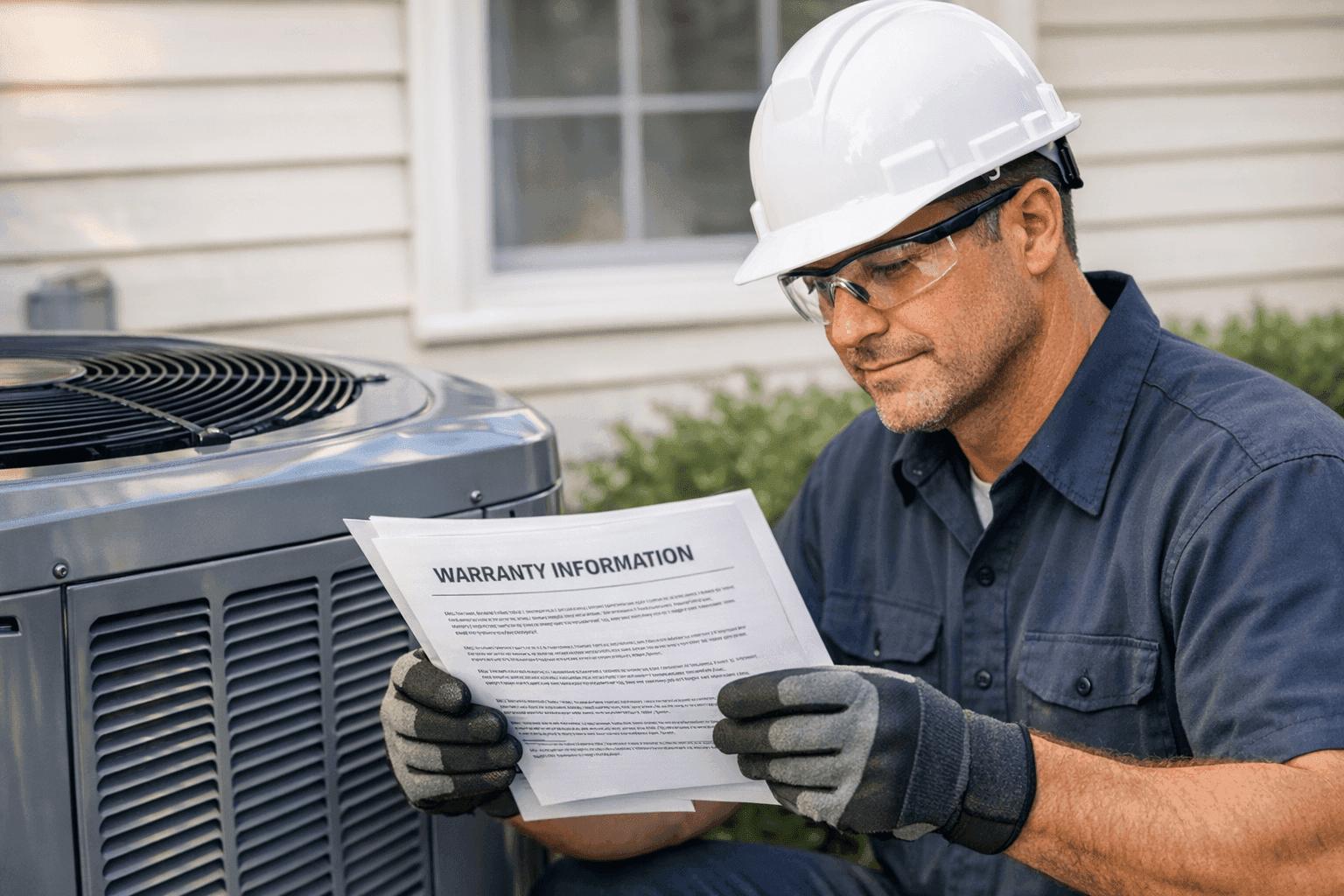
When your furnace won’t heat or your AC sputters out, stress can build up fast. Repairs can be pricey, and knowing if your HVAC system is under warranty can feel like finding the golden ticket. But don’t worry—Best Indy HVAC is here to help you navigate your HVAC warranty, step by step.
Whether you’re a homeowner worried about a broken mini-split, or a business owner facing unexpected downtime, understanding your warranty rights can save you time, money, and headaches. Let’s break it down together.
Why HVAC Warranties Matter 🛡️
Think of your HVAC warranty like a safety net. It’s not just paperwork—it’s your backup plan if things go sideways. When your system is covered, major breakdowns feel less like a disaster and more like a hiccup.
Warranties can:
- Offset the cost of big repairs or replacements
- Give peace of mind when equipment fails early
- Extend the life of your investment
Without a warranty, surprise expenses can hit hard. According to the U.S. Department of Energy, unexpected HVAC failures are a leading cause of emergency home service calls. That’s why knowing your coverage is key.
How to Check Your System’s Warranty
Checking your HVAC warranty doesn’t have to be a wild goose chase. Here’s how you can get answers:
1. Find Your Unit’s Model and Serial Number
Grab a flashlight and look for a metal plate or sticker on your system (often near the blower compartment for furnaces or on the exterior of AC units). Write down both the model and serial number—these are your magic keys.
2. Locate Your Paperwork
Do you have a folder with home documents? Check for the original purchase invoice, installation receipt, or warranty registration form. These papers usually list your warranty details.
3. Contact the Manufacturer
Visit the manufacturer’s website (like Carrier, Trane, Lennox, or Goodman). Most have online tools where you can enter your serial number to view warranty status. If you get stuck, customer service can help.
4. Ask Your Installer
If Best Indy HVAC installed your system, we’ll have your records. If not, reach out to the company on your paperwork—they may have registered the warranty for you.
5. Check Local Records
For commercial systems, maintenance logs and building management files may also contain warranty info.
What’s Typically Covered
Not all warranties are created equal. Some cover the “big bones,” while others are more like a patch on a leaky roof. Here’s what’s common:
- Parts Warranty: Covers the cost of replacement parts (compressor, heat exchanger, etc.) for a set number of years—often 5 to 10.
- Labor Warranty: Covers the cost of labor for repairs. This is usually shorter (often 1–2 years) unless you purchased an extended plan.
- Compressor Coverage: Many AC and heat pump warranties provide separate, longer coverage for the compressor.
- Other Components: Thermostats, controls, and specialty items like air scrubbers may have their own coverage.
Warranties rarely cover:
- Regular maintenance (filter changes, cleaning)
- Damage from improper installation or neglect
- Failures due to power surges or extreme weather
Always read the fine print. The Air-Conditioning, Heating, and Refrigeration Institute (AHRI) recommends reviewing your warranty yearly—just like you’d check smoke alarms.
Warranty Claim Steps
If your HVAC system is acting up and you think it’s covered, act fast. Here’s what to do:
-
Stop and Document
Don’t try to fix it yourself—this can void your warranty. Take photos, note any error codes, and jot down when the problem started. -
Gather Records
Pull together your warranty papers, model and serial numbers, and proof of regular maintenance. Some manufacturers require proof that you’ve kept up with scheduled tune-ups. -
Contact Your Installer or Manufacturer
Call the company that installed your system or reach out directly to the manufacturer’s warranty department. They’ll guide you on next steps. -
Schedule a Licensed Technician Visit
Most warranties require repairs by a licensed HVAC technician. Trying to DIY can leave you empty-handed if things go wrong. -
Follow Up
Keep all communications and service records. If there’s a delay or dispute, these documents are your shield.
Signs Your System May Be Out of Warranty
- Unit is over 10 years old (most warranties expire within this window)
- You moved into a previously owned home and didn’t transfer the warranty
- Regular maintenance wasn’t performed or documented
- System was installed by an unlicensed contractor
If you’re unsure, don’t guess—let a pro help you check. Sometimes, warranty status comes down to a single missing document.
Common Warranty Mistakes
- Missing Registration: Many warranties require you to register the unit within 60–90 days of installation.
- Improper Installation: Using a non-licensed contractor can void coverage.
- Skipping Maintenance: Not changing filters or ignoring recommended service can leave you unprotected.
- DIY Repairs: Fixing things yourself—even changing certain parts—can void some warranties.
Think of your warranty like a car’s insurance. You have to play by the rules to keep it valid.
When to Call a Pro
If you see water leaks, smell burning, or hear loud rattling, don’t wait. These can be signs of bigger problems that, if ignored, may not be covered later. For urgent issues, our HVAC Repair is always ready.
Licensed HVAC specialists (like those at Best Indy HVAC) know the ins and outs of warranty claims and can help keep your coverage intact.
DIY vs. Pro: What’s Safe to Handle?
-
Do It Yourself:
- Change air filters regularly
- Clean visible dust from vents
- Check batteries in thermostats
-
Call a Pro:
- Anything involving refrigerant or electrical work
- Diagnosing error codes
- Replacing major parts or opening sealed components
The U.S. Environmental Protection Agency (EPA) requires HVAC technicians to be certified for refrigerant handling. Don’t risk your warranty—or your safety.
Fast Safety Checklist Before You Call
- Turn off the system at the thermostat if you see sparks or smell burning.
- Unplug or shut off power at the breaker for serious electrical faults.
- Clear the area around the unit for easy technician access.
- Never open panels you’re not trained to handle.
Maintenance: The Hidden Warranty Booster
Regular tune-ups aren’t just about comfort. They’re often a requirement for keeping the warranty valid. Schedule annual HVAC Maintenance to help document care and catch small issues before they grow.
Geothermal and Specialty Systems: Unique Warranty Needs
Heat pumps, geothermal near you, radiant systems, and mini-splits often have different warranty periods and parts lists. Always check your paperwork and ask your installer about specifics for these advanced systems.
Seasonal Factors: When Timing Matters
Warranty claims can get tricky during peak heating or cooling seasons. Demand is high, and manufacturers may be slower to respond. If your system is acting up before summer or winter, don’t delay—initiate your claim early.
Timeline & Disruption: What to Expect
Warranty repairs usually move faster than out-of-pocket jobs because parts are pre-approved. Still, allow time for:
- Verification of warranty status
- Ordering specialty parts
- Scheduling licensed techs
For businesses, consider backup solutions like portable ACs or generators to minimize downtime.
Materials & Equipment: What's Not Covered
Warranties typically don’t cover:
- Upgrades to smart thermostats (unless installed as part of the original system)
- Cosmetic damage (scratches, dents)
- Aftermarket add-ons like whole-house fans or independent air scrubbers
Ask about coverage before adding new features to avoid surprises later.
Frequently Asked Questions
Q: Can I transfer my HVAC warranty if I sell my home?
A: Sometimes. Some brands allow transfer within a set window. Check your paperwork.
Q: My system was installed years ago. Is it still under warranty?
A: Most residential warranties last 5–10 years from installation, but commercial warranties may vary. Always check with the manufacturer.
Q: What if I lost my paperwork?
A: Your installer or manufacturer can often look up your system by serial number.
Local Help: Your Warranty Questions Answered
No matter where you’re located, from city centers to suburbs, you deserve straight answers and fast help. If you need trusted hvac specialists for reliable support, we’re just a call away.
Wrap-Up: Protect Your Comfort and Your Wallet
Warranties can be confusing, but they don’t have to be. By following these steps and keeping good records, you’ll be ready if your system ever needs repair. And if you ever hit a roadblock, you know who to call.
Call Best Indy HVAC now — or reach us anytime at 855-525-5859 .