How Often Should You Replace Your HVAC Filters?
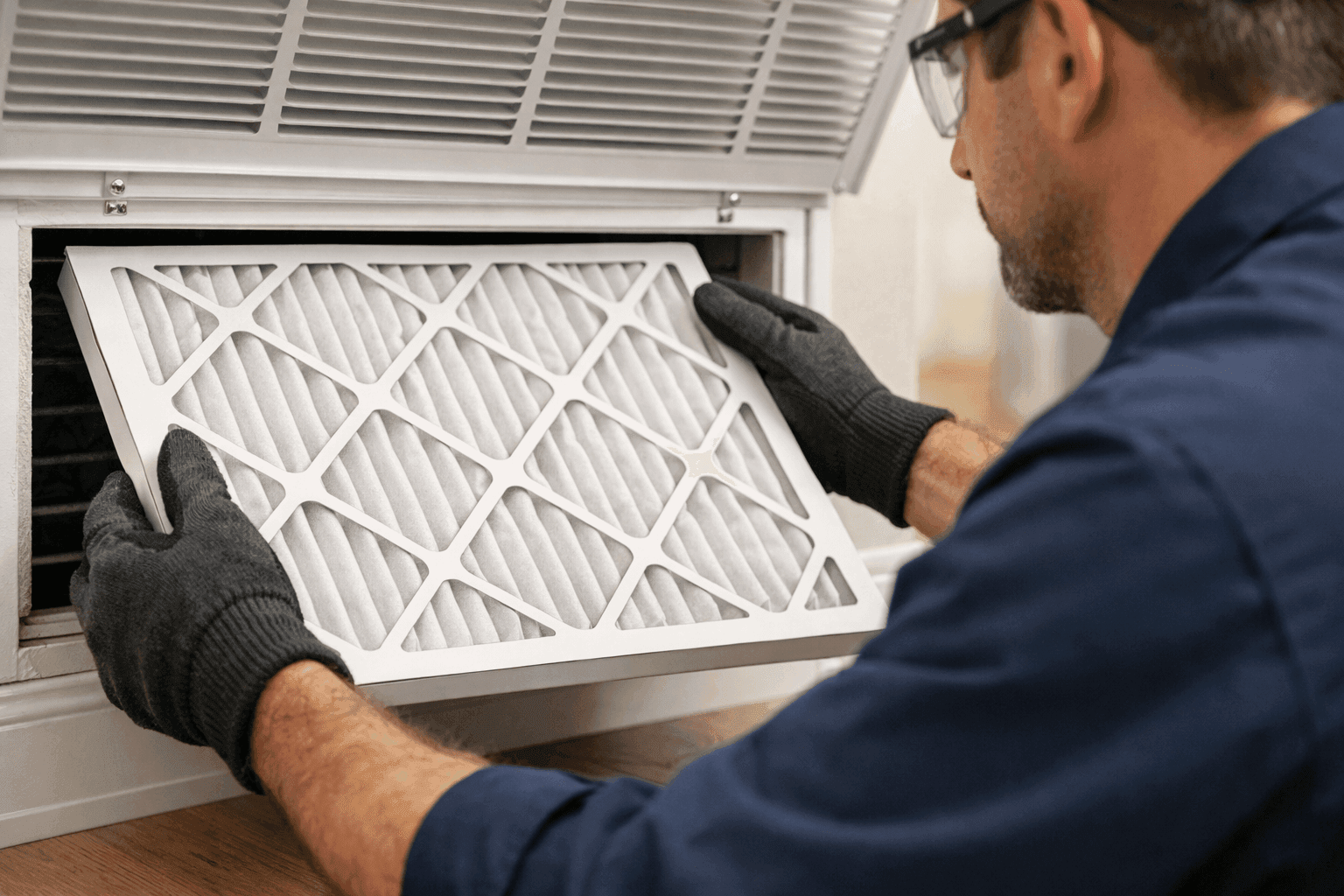
Is your home air feeling stale? Maybe you’re sneezing more, or your energy bills keep climbing. It could be your HVAC filter waving a white flag.
At Best Indy HVAC, we know that clean filters are the lungs of any heating and cooling system—whether it’s in a cozy home or a bustling business. Overlook them, and small problems snowball. Let’s clear the air (literally) and talk timing, types, and the signs that you’re overdue.
Filter Types: What’s Trapping Your Dust?
Not all filters are created equal. Each one tackles different air quality challenges, and their lifespan varies.
- Standard (Fiberglass) Filters: The most common. Affordable. They catch large particles—think dust, lint, and hair—but little else.
- Pleated Filters: Folded for extra surface area. They trap finer particles and last longer than fiberglass.
- HEPA Filters: High-Efficiency Particulate Air (HEPA) filters stop pollen, pet dander, and even some bacteria. Ideal for allergy-prone homes or medical offices.
- Reusable (Washable) Filters: Made to last. Instead of tossing, rinse and reinstall. Great for eco-conscious folks, but require a different maintenance rhythm.
Each filter type comes with its own “best by” date. Knowing yours is step one. 🛠️
Replacement Schedule: How Often Is Often Enough?
Imagine your HVAC system as a marathon runner. Clean filters are fresh oxygen; clogged ones are like running in a dust storm.
- Standard/Fiberglass: Every 30 days. They fill up fast.
- Pleated Filters: Every 60–90 days. Thicker, so they last a bit longer.
- HEPA Filters: Check every 6–12 months, but homes with allergies or lots of traffic may need changes every 60–90 days.
- Reusable Filters: Inspect monthly. Clean as needed—usually monthly, sometimes more for busy homes.
But schedules aren’t everything. Some homes need more attention (or less).
Factors That Change the Timeline
- Pets: Fur and dander clog filters quickly.
- Allergies: More frequent changes keep irritants at bay.
- Smoking: Tobacco smoke fills filters fast.
- Renovation Projects: Sawdust and debris? Change filters more often.
- High-traffic homes or businesses: More people, more particles.
Still not sure? Always check the manufacturer’s recommendation on the filter itself.
Why It Matters: The Real Cost of Dirty Filters
It’s tempting to put off filter changes, but dirty filters can mean:
- Higher energy bills. Your system works harder, using more power.
- Poor indoor air quality. Dust, pollen, and mold linger.
- System breakdowns. Strained motors and frozen coils lead to costly repairs.
- Shortened equipment life. Your HVAC isn’t immortal—dirty filters age it fast.
Think of a clogged filter like a blocked artery. The longer it’s ignored, the worse it gets.
Signs Your Filter Needs a Change
If you’re waiting for a calendar reminder, don’t. Pay attention to these warning signs:
- Dust on surfaces, fast. Are you dusting more than usual?
- Weaker airflow. Feeling less breeze from your vents?
- Strange odors. Musty air is a classic sign.
- Allergy flare-ups. Sneezing, coughing, itchy eyes.
- Visible grime. Hold the filter up to a light. If you can’t see through it, it’s time.
How to Replace Your HVAC Filter (Quick Guide)
Swapping a filter isn’t rocket science, but a few steps make all the difference:
- Power down the system. Safety first.
- Locate the filter slot. Usually near the return air duct or blower compartment.
- Slide out the old filter. Note the arrow for airflow direction.
- Insert the new (or cleaned) filter. Arrows should point toward the blower.
- Close the cover and turn the system back on.
Tip: Set a phone reminder or mark your calendar. Out of sight, out of mind happens to everyone.
Quick Safety Checklist 🛑
- Never run your HVAC without a filter, even for “just a day.”
- Use the correct filter size and type—check your owner’s manual.
- Dispose of dirty filters carefully. Some can be dusty or carry allergens.
- For reusable filters, let them dry completely before reinstalling.
Common Mistakes to Avoid
It’s easy to slip up. Here’s what we see most often:
- Forgetting the filter altogether. (It happens in busy homes and businesses!)
- Using the wrong size. Gaps mean unfiltered air sneaking by.
- Installing upside down. Airflow arrows matter.
- Skipping checks after renovations. Construction dust fills filters fast.
- Ignoring manufacturer guidelines. They know their stuff.
When Should You Call a Pro?
Most filter changes are DIY-friendly. But call Best Indy HVAC if:
- You can’t locate your filter or reach it safely.
- Your system has multiple filters, or specialty filters like in Geothermal near you.
- You notice persistent odors or poor air—could be a sign of mold or a deeper HVAC issue.
- You want a complete system checkup: see our HVAC Maintenance service.
DIY vs. Professional Help
Changing a filter is simple. But maintaining total air quality? That’s where a pro shines.
- Pros inspect ducts, check for leaks, and balance air flow.
- Regular maintenance catches problems before they grow.
- Commercial sites or medical facilities often require specialized filters or testing.
Curious about indoor air quality testing? Check out our Indoor Air Quality services.
Prevention & Maintenance: Keep It Fresh
Stay ahead of trouble with these habits:
- Keep a spare filter on hand.
- Mark the change date on the filter frame.
- Schedule regular system checkups every spring and fall.
- Ask about air scrubbers, dehumidifiers, and other upgrades—especially in humid or allergy-prone spaces.
Seasonal Considerations
- Spring: Pollen can clog filters fast. Change before allergy season.
- Summer: AC runs more, so filters fill quicker. Check monthly.
- Fall: Leaves and dust—don’t wait until it’s too late.
- Winter: Heating cycles stir up dust. Inspect filters often.
Costs & Time Factors
Most filters cost between $5 and $30. Specialty HEPA options run higher. Installation takes less than 10 minutes for most homes.
But the real cost? Neglect. One missed filter change can mean hundreds in repairs or higher energy bills.
Timeline & Disruption
Changing a filter is one of the least disruptive maintenance tasks. No need to clear rooms or move furniture. For businesses, schedule filter changes outside busy hours to keep things smooth.
FAQ: Your Filter Questions Answered
Q: Can I vacuum and reuse disposable filters?
A: No. Disposable means one-time use. Only reusable filters are made for washing.
Q: Is a thicker filter always better?
A: Not always. Too thick, and your system may strain. Follow manufacturer specs.
Q: What if my filter looks clean, but it’s been months?
A: Still change it. Some particles are invisible, and filter fibers can break down with time.
Q: Can I upgrade to a HEPA filter in my current system?
A: Sometimes. Check with a licensed HVAC contractor—some systems can’t handle the extra airflow restriction.
For Businesses and Commercial Properties
Larger systems, more occupants, and stricter codes. Commercial sites often need:
- Filter checks every month.
- Upgraded filtration for compliance and health.
- Professional-grade solutions like air scrubbers and regular hvac services.
The Bottom Line
Changing your HVAC filter is simple, but forgetting can lead to big headaches. Clean filters mean cleaner air, lower bills, and less stress—at home or work.
Have more questions? Need help with specialty filters, system upgrades, or air quality testing?
Call Best Indy HVAC now — or reach us anytime at 855-525-5859 .