How to Choose the Best HVAC Filters for Your System
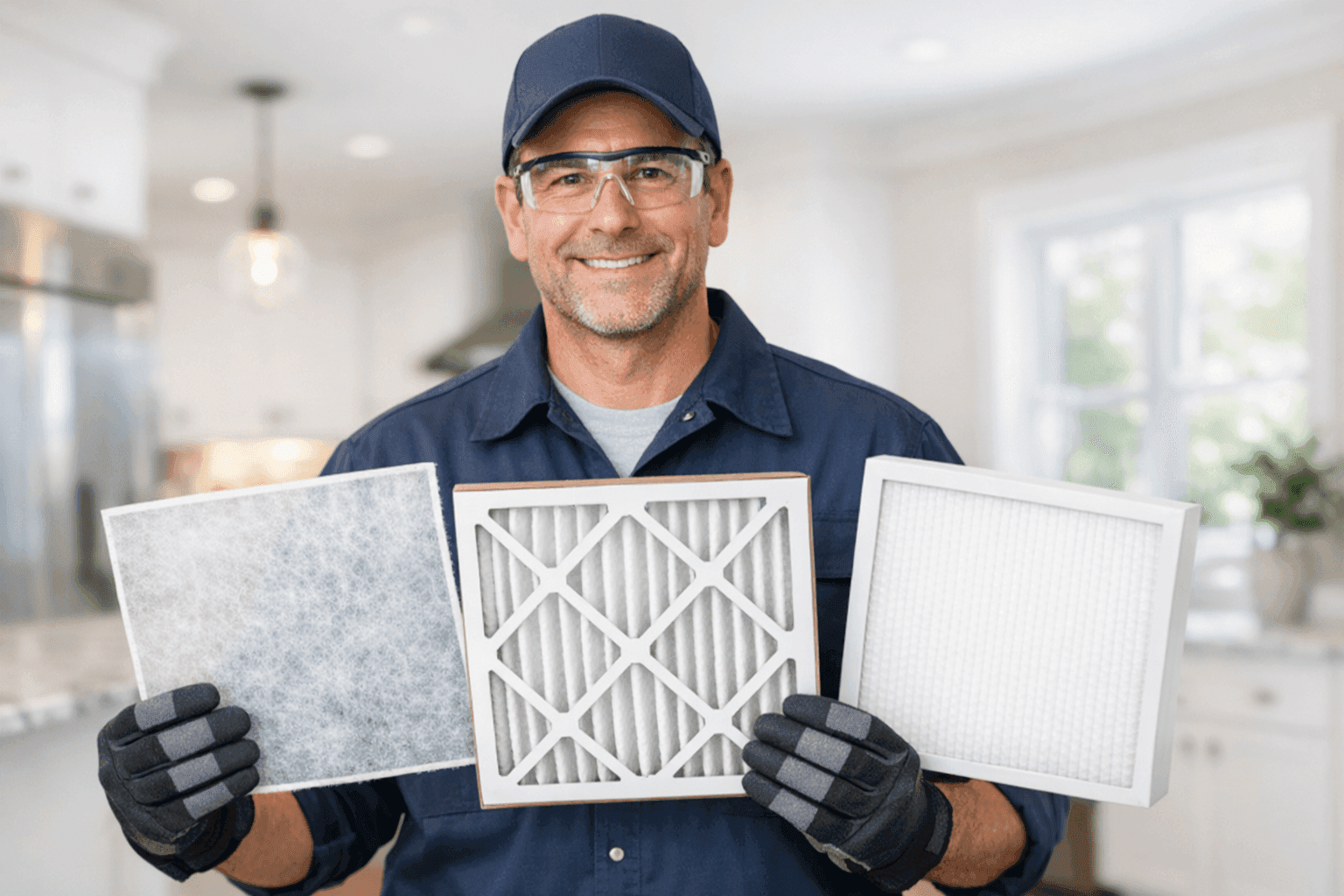
Is your home (or business) breathing easy? Or does every breath feel like you’re dusting the furniture with your lungs? The right HVAC filter makes all the difference. At Best Indy HVAC, we know that clean air and a healthy system start with the right filter—yet picking one can feel like choosing from a wall of identical white rectangles.
Let’s cut through the confusion. Here’s a straightforward guide to finding the filter that fits your system, your air, and your life.
Why HVAC Filters Matter: More Than Just Dust Catchers
Think of HVAC filters as the unsung heroes of comfort. They’re not just trapping dust; they’re protecting your furnace, AC, and your lungs. A bad filter is like a leaky umbrella in a rainstorm—leaving you exposed when you need it most.
Clean filters improve indoor air quality, keep your system running smoothly, and even lower energy bills. According to the U.S. Environmental Protection Agency (EPA), indoor air can be two to five times more polluted than outdoor air. That’s reason enough to care.
Knowing Your Filter Types: Fiberglass, Pleated, and HEPA
Walk down any hardware store aisle and you’ll see three main types of filters:
- Fiberglass Filters: The budget option. Thin, disposable, and built mostly to protect your HVAC system—not your lungs.
- Pleated Filters: Like fiberglass, but with more surface area and better dust-catching ability.
- HEPA Filters: The gold standard for filtration. Captures tiny particles, including many allergens. Often found in medical and laboratory settings.
Each type has its own strengths and weaknesses. Not all are right for every system.
Understanding MERV Ratings: What Those Numbers Really Mean 📝
You’ve seen the acronym—MERV. But what does it mean? MERV stands for Minimum Efficiency Reporting Value. It’s a scale from 1 to 20, measuring how well a filter catches particles of different sizes.
- MERV 1-4: Basic. Stops large debris. Not much else.
- MERV 5-8: Standard for most homes. Traps dust and pollen.
- MERV 9-12: Good for allergies. Catches finer particles.
- MERV 13-16: Hospital-grade. Traps bacteria, smoke, and even some viruses.
Higher isn’t always better. Too much filtration can actually choke your HVAC system, like trying to breathe through a thick scarf.
Matching Filters to Your Needs: Home vs. Business
Every building is different. A family home with pets and kids? Go for a pleated filter with a higher MERV. Restaurant with a busy kitchen? You may need specialty filters and possibly air scrubbers.
- Residential: Pleated, MERV 8–12 usually works.
- Commercial: Consider higher MERV or even HEPA, but consult your HVAC company for compatibility.
Filter Performance: What Matters Most
Think about what you’re fighting against—dust, pollen, smoke, or all of the above?
- Dust & Pollen: Pleated MERV 8–11 does the job.
- Allergies or Asthma: Lean toward MERV 11–13.
- Smoke or Odors: Look for filters with activated carbon layers.
- Sensitive Equipment (Server Rooms, Labs): HEPA or specialty filters.
How Often Should You Change Your HVAC Filter?
Changing your filter is like changing the oil in your car—it’s routine, but easy to forget.
- Fiberglass: Every 30 days.
- Pleated: Every 60–90 days, sometimes sooner if you have pets.
- HEPA: Every 6–12 months, depending on system and usage.
Set a recurring reminder. Mark your calendar. Your lungs will thank you.
Allergy and Asthma Considerations: Breathing Easier at Home 🫁
If someone in your home or business suffers from allergies, don’t cut corners. The American Lung Association points out that proper filtration reduces triggers for asthma and allergies. Look for filters with a MERV 11–13 rating, or consider adding air scrubbers or HEPA solutions.
The Real Cost: Cheap Up Front, Expensive in the Long Run?
A $3 fiberglass filter might seem like a deal—until dust clogs your coils and you’re calling for an expensive Filters. Higher-quality filters cost more, but can save you money in the long haul by protecting your system and reducing maintenance calls.
What to Avoid When Choosing a Filter
- Don’t overspend on HEPA unless your system can handle it.
- Don’t buy filters that promise the moon (“kills 99.9% of everything”) without third-party certification.
- Don’t forget to check the size—an ill-fitting filter is like a loose lid on a coffee cup.
Safety First: Quick Checklist Before You Buy
- Check your system’s manual for filter size and MERV compatibility.
- If unsure, ask a licensed HVAC technician.
- Always turn off your system before replacing the filter.
- Never force a filter to fit—this can damage both the filter and your HVAC.
DIY vs. Call a Pro: When to Replace Yourself, When to Call
Most homeowners can swap a filter in minutes. But if you notice persistent dust, odd smells, or reduced airflow, it might signal a bigger issue. Sometimes, what looks like a filter problem is actually ductwork or air balancing trouble. That’s when a professional makes all the difference.
What the Pros Do On Arrival
At Best Indy HVAC, our technicians:
- Inspect your system for proper filter fit and airflow
- Check ductwork for leaks or blockages
- Test air quality if needed
- Make recommendations based on your space and needs
We follow standards from the American Society of Heating, Refrigerating and Air-Conditioning Engineers (ASHRAE) and the National Air Filtration Association (NAFA).
Prevention & Maintenance: Looking Beyond the Filter
Changing the filter is step one. For truly clean air, think about:
- Regular duct cleaning
- Indoor air quality (IAQ) testing
- Annual HVAC maintenance
- Sealing duct leaks
These steps keep your system efficient and your air fresh.
Seasonal Filter Advice: Hot, Cold, and Everything In-Between ☀️
- Spring & Summer: Pollen counts rise. Consider higher MERV if allergies flare up.
- Fall: Pets shed more. Change filters more often.
- Winter: Dry air increases static and dust. Humidifiers and regular filter changes help.
Common Mistakes When Buying Filters
- Buying the wrong size
- Ignoring MERV ratings
- Forgetting to change the filter
- Skipping professional advice for unique needs (like Geothermal near you or radiant heating)
Fix these, and you’re already ahead of most.
Signs of Trouble: When Your Filter Isn’t Enough
If your system is running more, bills are rising, or air feels stuffy, your filter might not be the issue—or it might be overdue for a change. Sometimes, poor air quality points to bigger HVAC issues, like leaks or failing components.
Timeline and Disruption: How Long Does It Take?
Swapping a filter? Five minutes, tops. Scheduling a full IAQ assessment or duct cleaning? Plan for an hour or two, but the improvement can last months.
Frequently Asked Questions
Do thicker filters always filter better?
Not always. Thicker filters offer more surface area, but if the MERV is too high for your system, you’ll restrict airflow.
Can I wash and reuse my filter?
Most home filters are disposable. Washable filters exist, but need regular, thorough cleaning or they can breed mold.
Do I need a special filter for Geothermal?
Not always. But Geothermal systems still need clean airflow, so match filter type and MERV to your indoor air needs.
Are there local codes for filters?
Some commercial spaces require specific MERV ratings. Always check with your local building code or your hvac company for guidance.
Take the Next Step Toward Cleaner, Healthier Air
Choosing the right filter isn’t just about dust—it’s about your health, your comfort, and the lifespan of your HVAC system. If you want help picking the right filter or need a full system check, Best Indy HVAC is here to help.
Call Best Indy HVAC now — or reach us anytime at 855-525-5859 .