How to Improve Indoor Air Quality on a Budget
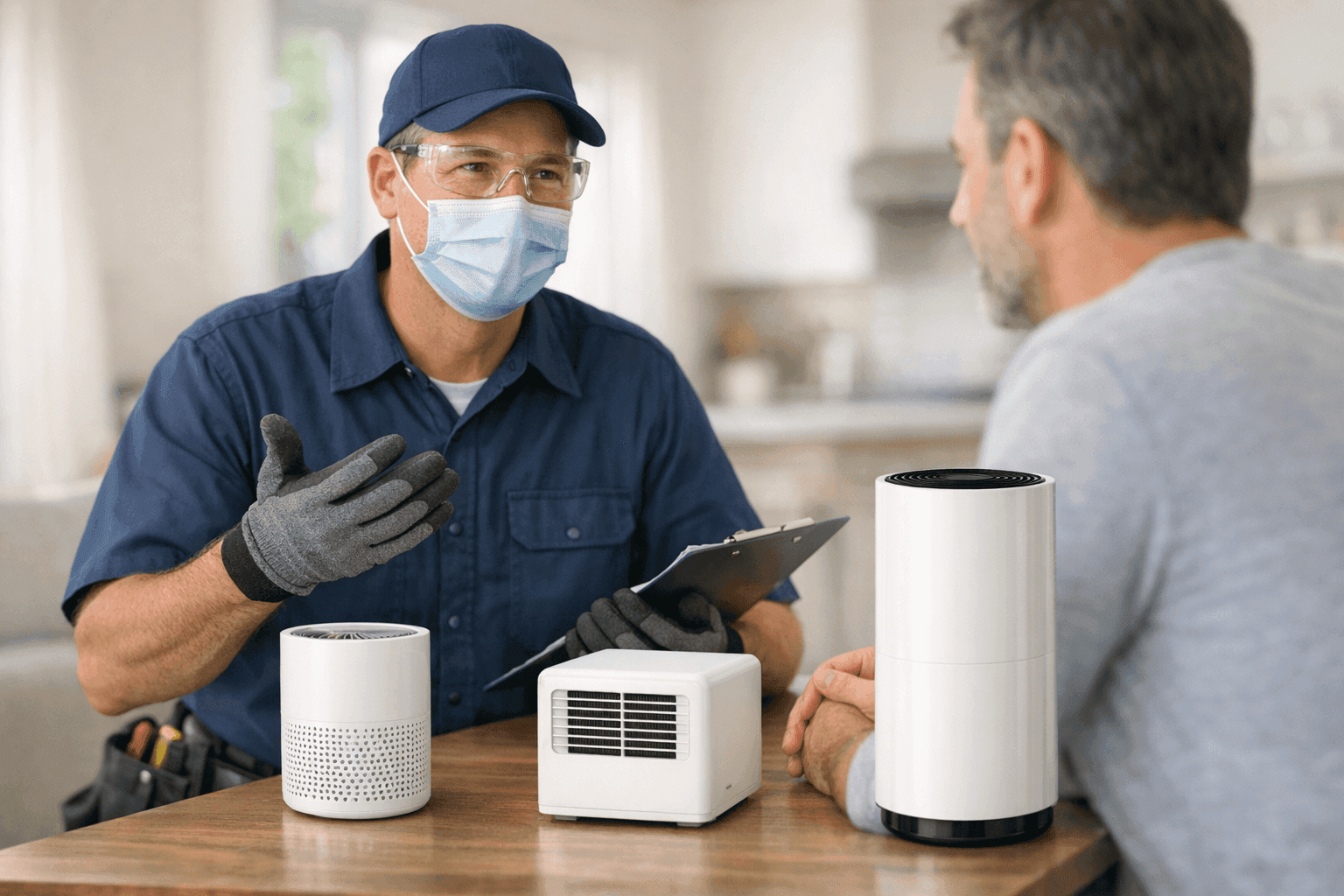
Is the air in your home or business making you sneeze, cough, or just feel “off”? You’re not alone. Many people notice the difference but aren’t sure where to start or how much it will cost. At Best Indy HVAC, we meet people every day who want fresher air without draining their wallets. The good news? You have options—many of them simple, fast, and affordable.
Indoor air quality (IAQ) is about more than comfort; it’s about health and peace of mind. Whether you’re managing a busy household, a corner café, or a sprawling office, breathing clean air matters. Let’s look at practical ways to make your indoor air cleaner—on a budget.
Top Tips for Better Air Quality—Fast and Cheap
Small changes can make a big difference. Here are some easy habits to start today:
- Open a window when possible. Fresh air sweeps out stale air like a gentle broom.
- Vacuum and dust regularly. Less dust means less for your lungs to battle.
- Avoid smoking indoors. Even a little smoke lingers and pollutes.
- Keep shoes at the door. You’ll track in fewer pollutants and allergens from outside.
- Use exhaust fans. Kitchens and bathrooms need extra venting to send moisture and odors outside.
These steps may sound simple, but they’re the unsung heroes of healthy air.
Signs Your Air Needs Help
How do you know if your indoor air isn’t up to par? Watch for these red flags:
- Persistent musty or stale odors
- Frequent sneezing, headaches, or watery eyes indoors
- More dust than usual on surfaces
- Humidity that feels too high or too low
- Mold or mildew spots, especially around windows or bathrooms
If you notice any of these, your air quality could use a boost.
Air Quality Red Flags for Commercial Spaces
Business owners, pay special attention if:
- Employees complain of headaches or fatigue
- Customers mention odors
- You see visible dust on vents or returns
- There’s condensation or mold in restrooms or kitchens
These aren’t just comfort issues—they can hurt productivity and customer satisfaction.
Best Upgrades Under $100 🛠️
You don’t need a major remodel to make a difference. Here are some budget-friendly solutions:
- Upgrade your HVAC filter. Swap out the flimsy one-inch filter for a pleated MERV 8 or MERV 11 filter. You’ll catch more dust, pollen, and pet dander.
- Add a portable air purifier. Look for one with a HEPA filter. Even a small unit can tackle a bedroom or office.
- Pick up a humidity gauge. Most hardware stores sell them for under $20. Aim for 30-50% humidity for comfort and mold control.
- Buy a few houseplants. Snake plants and pothos are low-maintenance and help freshen the air.
- Seal leaky ducts or vent seams with foil tape (never duct tape). It’ll keep dust and pollutants from sneaking in.
Every dollar you invest here pays off in cleaner, easier breathing.
Filter Upgrades: The Low-Hanging Fruit
Think of your HVAC filter as the air’s bouncer. A cheap or dirty filter lets in all the troublemakers—dust, pollen, pet hair, and more. Changing your filter every 1-3 months is the single easiest way to improve indoor air quality.
- Check your filter monthly, especially if you have pets or live near construction.
- Choose a filter with a MERV rating of at least 8 for most homes. For allergy sufferers, MERV 11 or 13 works wonders.
- Mark your calendar, or set a phone reminder, so you never forget.
If you’re not sure which filter fits your system, check your manual or ask an HVAC pro.
Simple Ventilation Hacks for Any Space
Fresh air is the best air. Here’s how to get more of it, even if you can’t leave the windows open all day:
- Crack windows for 10 minutes in the morning. Even in winter, a quick burst of fresh air helps.
- Use bathroom and kitchen exhaust fans. Run them during and after showers or cooking.
- Check that vents aren’t blocked by furniture or rugs.
- Install a whole-house fan if your budget allows—great for spring and fall.
For businesses, schedule regular “fresh air breaks” by opening doors or windows when traffic is low.
Affordable Air Cleaners: What Works?
Not all air cleaners are created equal. Avoid gimmicks and stick with tried-and-true options:
- HEPA air purifiers: Capture most allergens and fine particles.
- Activated carbon filters: Good for odors and smoke.
- UV lights: Installed in HVAC systems, they help reduce mold and bacteria.
If you’re not ready for a full upgrade, portable room units are a good starting point—just check the filter specs.
DIY IAQ Checks: What Can You Test Yourself?
You don’t need fancy tools to spot trouble:
- Sniff test: Trust your nose. Musty or sharp odors mean something’s lurking.
- Condensation: Foggy windows suggest too much humidity.
- Dust check: Rub a finger across vents. If it comes away gray, it’s time to act.
For a deeper dive, home test kits for mold, radon, or VOCs are available at hardware stores. Always follow instructions, and call for help if results are concerning.
When to Call a Pro (and What Pros Actually Do)
DIY tips go a long way, but some issues need a professional touch:
- If you see mold: Don’t disturb it. Professionals can safely remove it and find the source.
- If allergies or asthma persist: You may need advanced testing or duct cleaning.
- Odd HVAC noises or poor airflow: These could mean bigger system issues.
When our team at Best Indy HVAC arrives, we:
- Inspect your HVAC system, looking for leaks, dirty coils, and signs of trouble
- Test airflow and balance throughout your space
- Offer tailored recommendations, from filter upgrades to system cleaning
Our approach is based on industry guidelines from organizations like the EPA and ASHRAE.
Regular Maintenance: The Unsung Hero
Just like oil changes for your car, routine HVAC maintenance keeps everything running clean and smooth. Schedule a Indoor Air Quality at least once a year. You’ll:
- Catch small problems before they become big repairs
- Ensure filters, belts, and coils are clean
- Keep energy bills lower
The best air quality starts with a well-maintained system.
Energy Audits: Finding Hidden Problems
Sometimes, poor air quality is tied to energy leaks—drafts, gaps, or poor insulation. A home energy audit reveals where air is sneaking in (or out). Many issues can be fixed with caulk, weatherstripping, or insulation—often for less than you’d spend on a fancy gadget.
Ask about home energy audits during your next HVAC appointment.
Don’t Forget Duct Cleaning and Sealing
Dusty, leaky ducts are like highways for pollutants. If you haven’t had your ducts checked in years, it might be time. Professional duct cleaning is surprisingly affordable and can remove years of built-up dust, allergens, and even pests.
Sealing leaky ducts also boosts both air quality and HVAC efficiency.
Filters, Filters, Filters: Don’t Settle for One
Besides your main HVAC filter, don’t forget:
- Range hood filters: Clean or replace monthly.
- Bathroom exhaust covers: Wipe and vacuum often.
- Portable air purifier filters: Replace as directed.
A clean filter is your best defense against dirty air.
Keep Humidity in Check
Too much humidity feels muggy and breeds mold. Too little dries your skin and sinuses. Use a humidifier or dehumidifier as needed to hit that 30-50% sweet spot.
Simple models do the trick—just remember to clean them regularly.
Air Quality Red Flags: When It’s an Emergency 🚨
Some issues can’t wait:
- You smell gas or chemicals: Evacuate and call for help.
- Black or green mold patches appear suddenly.
- Sudden, severe allergy or asthma attacks indoors.
If any of these happen, get professional help immediately.
Common Mistakes to Avoid
- Ignoring filter changes—set reminders!
- Blocking vents with curtains or furniture
- Overusing scented candles or sprays (these add to air pollution)
- Skipping regular HVAC maintenance
- DIY cleaning of visible mold (this can spread spores)
Steer clear of these, and you’ll be breathing easier.
Seasonal Tips for Cleaner Air
- Spring: Pollen is high—change filters often.
- Summer: Run A/C with clean filters to control humidity.
- Fall: Watch for mold, especially after rain.
- Winter: Ventilate to avoid stuffy, stale air.
A few tweaks each season go a long way.
How Long Will Improvements Take?
Some results are instant—fresh air after opening a window, for example. Others, like reduced allergies, may take days or weeks as your home or business clears out old dust and pollutants. Stick with your new habits and enjoy the progress.
Want More Tips? Get Local Help
Every space is unique. If you want to dive deeper with an indoor air quality test, or need help with your hvac, Best Indy HVAC is here for you. Our friendly team is ready to answer your questions and recommend the right solutions for your budget.
Call Best Indy HVAC now — or reach us anytime at 855-525-5859 .