How to Lower Your HVAC Energy Bills Year-Round
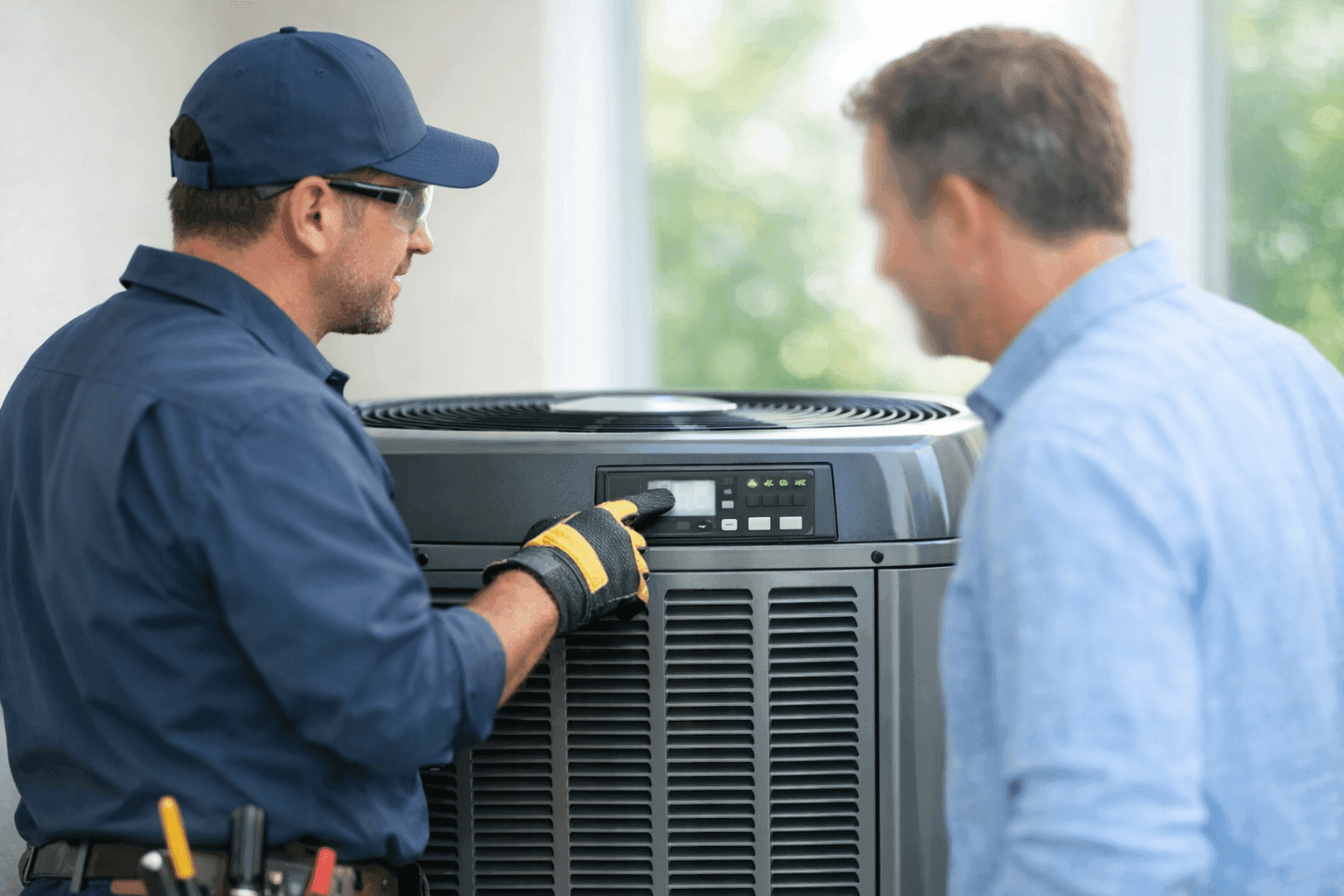
Does your energy bill spike every time the weather changes? You're not alone. Many Indiana homeowners and businesses feel trapped by unpredictable HVAC costs, not knowing where to start or what actually works. At Best Indy HVAC, we see it every day—people frustrated, wallets stretched, and still uncomfortable.
Here’s the good news: lowering your HVAC energy bills isn’t a mystery. It’s about smart actions, not just expensive upgrades. Let’s break down what really makes a difference, and how you can start saving right now.
The Heart of Savings: Thermostat Strategies That Work 🕹️
Think of your thermostat as the steering wheel for your home’s comfort and energy use. The right touch can save you hundreds per year.
Set It and Save:
- In winter, aim for 68°F when home, and lower it 7–10°F at night (U.S. Department of Energy).
- In summer, target 78°F when home, and bump it higher when away.
Programmable and Smart Thermostats:
- Set schedules to match your daily life.
- Let automation do the heavy lifting—no more forgotten adjustments.
Avoid This Mistake:
Cranking your thermostat way up or down doesn’t heat or cool your space faster. It just burns more energy, like slamming the gas pedal at every red light.
Fresh Filters, Happy Wallet
A dirty HVAC filter is like trying to breathe through a scarf. Your system works harder, using more energy with less result.
Golden Rule:
- Check filters every month, especially during heavy use.
- Replace or clean every 1–3 months. If you have pets or allergies, consider more frequent changes.
Why It Matters:
Clogged filters strain your system. The EPA notes this can spike your energy use by 15% or more.
Regular Maintenance: The Long Game
Think of HVAC maintenance as a tune-up for your car. Skip it, and you’ll pay more at the pump—and in repairs.
What Pros Check:
- Refrigerant levels
- Electrical connections
- Airflow and duct sealing
- Safety controls
Plan Ahead:
- Schedule professional service at least twice a year—spring and fall are best.
- Ask about Geothermal for long-term efficiency.
Don’t DIY Everything:
Some maintenance is best left to the pros. Incorrect refrigerant handling, for example, is both dangerous and illegal without proper certification (per EPA Section 608 guidelines).
Upgrade Wisely: When to Modernize Your System
Old, inefficient systems are like driving a gas-guzzler from the 80s. You burn fuel and cash.
Consider Upgrading If:
- Your system is over 12–15 years old.
- Repairs are frequent and costly.
- Your comfort is uneven or noisy.
Smart Upgrades:
- High-efficiency HVAC units (look for ENERGY STAR®).
- Geothermal systems — these tap stable earth temperatures for dramatic savings.
- Mini-splits for zoned comfort without ducts.
Air Leaks: The Sneaky Wallet Drainers
Imagine heating or cooling your home, only to let that air escape through cracks or gaps. That’s money out the window—literally.
Quick Fixes:
- Weatherstrip doors and windows.
- Seal duct leaks with mastic or foil tape (never ordinary duct tape).
- Check attic and basement for insulation gaps.
Energy.gov estimates sealing leaks can cut heating and cooling costs by up to 20%.
Don’t Let These Common Mistakes Drain Your Budget
Ignoring Strange Noises or Smells
Odd sounds or musty odors aren’t just annoying. They’re warning signs. Delaying repairs often leads to bigger, pricier problems.
Skipping Annual Energy Audits
A professional home energy audit identifies hidden issues—insulation gaps, inefficient equipment, or duct leaks. These audits pay for themselves in future savings.
Overlooking Thermostat Placement
If your thermostat sits in direct sunlight, near appliances, or by drafts, it can misread the room and run your HVAC longer than needed.
Indoor Air Quality: Breathe Easy, Save Money
Cleaner air can mean a more efficient system. Dust and debris clog filters and strain fans.
Boost air quality with:
- Regular duct cleaning
- High-quality filters
- Air scrubbers and purifiers
These steps can also protect your health, reducing allergy and asthma triggers.
Geothermal: The Power Beneath Your Feet
Geothermal systems use the steady temperature underground to heat and cool your home efficiently. It's like having the earth itself as your energy partner.
Benefits:
- Lower operating costs (up to 65% less than traditional HVAC, per EPA).
- Fewer moving parts = less maintenance.
- Eligible for federal and state incentives.
Looking for Geothermal options? Our team can help you explore if it’s right for your property.
Smart Tech and Controls: Set It and Forget It
Smart thermostats and zoning systems allow you to control temperatures by room or area. No more cooling an empty guest room or heating unused office space.
Features to Look For:
- App-based remote control
- Learning algorithms that adjust to your habits
- Geofencing to save energy when you’re away
AC and Heating Habits: Small Changes, Big Impact
- Close blinds during hot afternoons to block sunlight.
- Use ceiling fans to circulate air—clockwise in winter, counterclockwise in summer.
- Avoid heat-generating appliances during peak cooling hours.
These habits sound simple, but together, they add up to noticeable savings.
When to Call for 24-Hour Emergency Service
Some issues can’t wait. If your system stops during extreme weather, you notice burning smells, or your carbon monoxide detector beeps, call for help immediately. Safety comes first.
Dehumidifiers and Humidifiers: Comfort and Efficiency
Humidity affects how hot or cold you feel. Too much or too little can overwork your HVAC.
Tip:
Set indoor humidity between 30–50% for comfort and efficiency (CDC guidelines).
Duct Cleaning and Air Balancing
Dirty ducts and uneven airflow waste energy. Professional duct cleaning and air balancing ensure every room gets the right amount of conditioned air, reducing strain on your system.
Sheet Metal and Ventilation: The Unsung Heroes
Custom sheet metal work and proper ventilation make sure air moves efficiently, keeping costs down and comfort up.
Prevention: The Best Way to Save
- Mark your calendar for seasonal maintenance.
- Change filters on schedule.
- Address small issues before they become big problems.
Time, Cost, and What to Expect
How long does an upgrade take? What will it disrupt? Professional teams like Best Indy HVAC aim to minimize downtime and work cleanly, so you’re never left in the cold (or heat) longer than necessary. Every job is different, but clear communication is our standard.
Frequently Asked Questions
How much can I really save?
Savings depend on your home, habits, and system. Many see 10–30% lower bills with these changes.
Are upgrades worth it?
If your system is old or inefficient, upgrades often pay for themselves over time. Ask for a personalized assessment.
Can I DIY maintenance?
You can change filters and clear vents, but leave major repairs and refrigerant handling to certified professionals.
Ready for Savings? Take the Next Step
Lowering your HVAC energy bills is doable—today and in the years ahead. Start with small changes or go big with new technology. Either way, we’re here to help.
Call Best Indy HVAC now — or reach us anytime at 855-525-5859 .