How to Prepare Your HVAC System for Extended Vacations
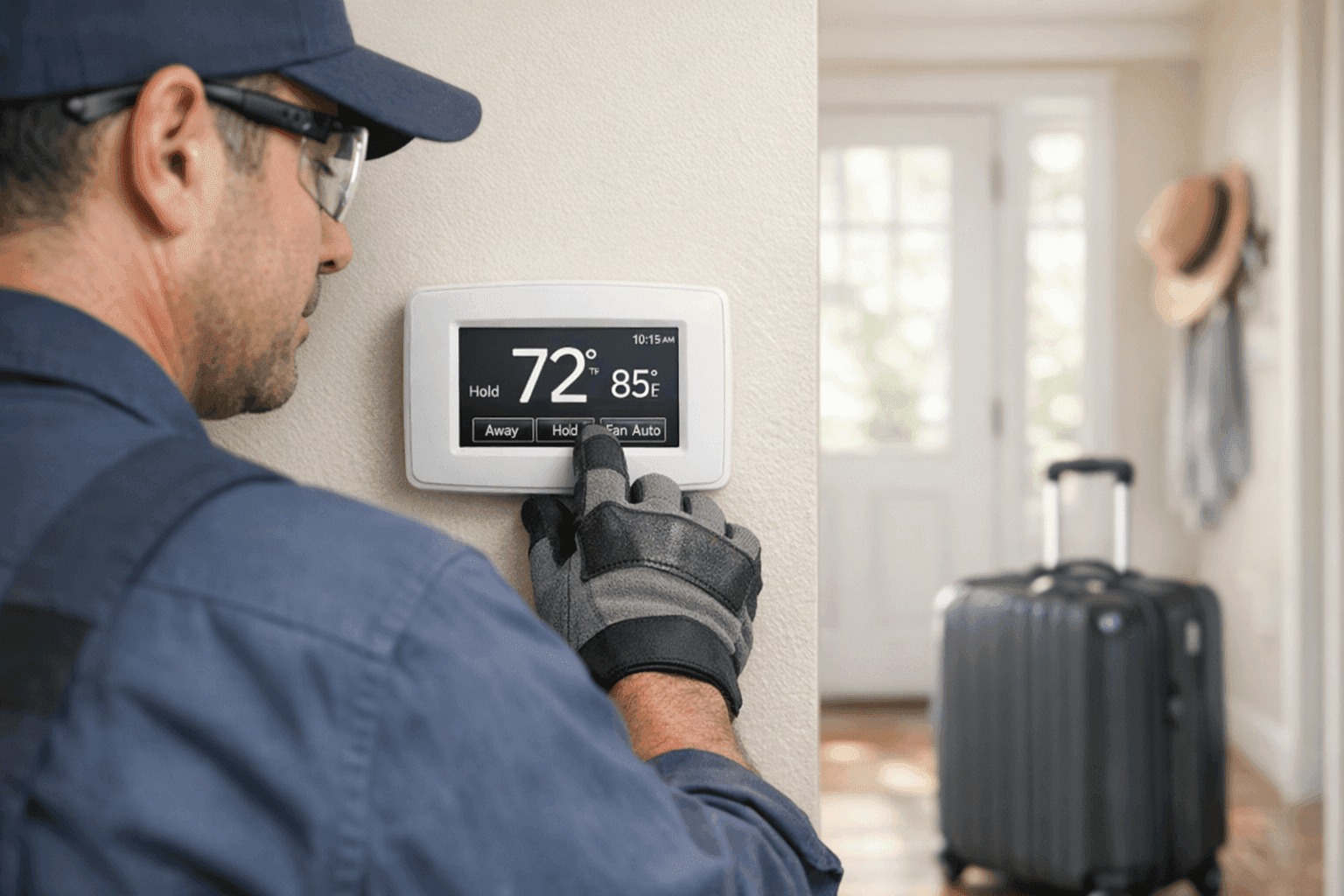
Heading out for an extended vacation? It’s exciting—until you remember what could go wrong at home. One burst pipe, a fried thermostat, or a sticky heat wave, and you’re coming back to a mess. At Best Indy HVAC, we help families and businesses leave with confidence.
Let’s get your HVAC system ready for your time away. Here’s how to protect your comfort, your investment, and your peace of mind.
Why Prepping Your HVAC Matters Before You Leave
Your HVAC system is like the heartbeat of your home or business. Ignore it, and things can go sideways fast—think mold, high energy bills, or even costly repairs. A neglected system can be a silent invitation for trouble.
Leaving your system running as usual wastes money. Turning it off completely can invite moisture, mold, and damage. The sweet spot? A thoughtful, balanced approach.
Quick Safety Checklist Before You Go 🧳
- Change or clean your air filter.
- Set thermostat to vacation mode or adjust temperature range.
- Inspect all vents and registers—make sure nothing’s blocked.
- Test your smoke and carbon monoxide detectors.
- Check for leaks or drips near HVAC equipment.
- Close windows and doors tightly.
- Unplug unnecessary electronics.
- If you use geothermal, check your system’s controller for weather-adaptive settings.
A few minutes now beats hours of headache later.
Setting Your Thermostat: The Goldilocks Zone
Don’t just switch your HVAC off and hope for the best. Instead, set your thermostat a little higher in summer (78–85°F) or lower in winter (55–60°F). This keeps humidity in check and protects pipes, walls, and floors.
If you have a programmable or smart thermostat, use “away” or “vacation” mode. Some systems even allow for remote management, so you can tweak settings from your phone if the weather changes while you’re gone.
Filter Check: Your First Line of Defense
Filters catch dust, pollen, and debris. A dirty filter means your HVAC works harder, risks freezing up, or could even shut down. Before you leave, swap in a clean filter—even if it’s not quite due.
If you’re unsure which filter is best, the experts at Best Indy HVAC can help you choose the right size and rating for your system.
Air Quality Concerns: Don’t Let Stale Air Take Over
A closed-up building is a recipe for stale, musty air. Indoor air quality (IAQ) matters, especially if you’ll be gone for more than a week.
- Run a whole-house fan or air scrubber for an hour before you go.
- Consider a dehumidifier or humidifier, depending on the season.
- If you use an air purifier, check and replace filters as needed.
Remember, air that sits still grows old fast.
Geothermal and Specialty Systems: Unique Vacation Prep
If your home or business uses geothermal, prepping for a trip is a bit different. These systems are efficient, but still need care.
- Review the control panel for automatic settings.
- Confirm no standing water or leaks around the unit.
- Schedule routine maintenance before long absences.
- If you’re searching for "Geothermal near you," make sure your service provider offers remote monitoring options.
For custom setups like radiant heat or mini-splits, consult your installer or geothermal pros for tailored advice.
Preventing Problems: Moisture, Mold, and More
Letting humidity run wild in your absence can spell disaster—warped floors, peeling paint, even mold growth. HVAC systems help keep moisture balanced.
- If it’s humid, set your system to run periodically.
- Use a smart thermostat to monitor inside conditions.
- Consider an IAQ test before you leave, especially if your building has a history of moisture issues.
For those in areas like Minnetonka, our team of hvac specialists can tailor guidance to your climate.
DIY vs. Calling a Pro: When to Ask for Help
Some things are easy to handle yourself—filters, thermostat settings, unplugging electronics. Others should be left to the pros.
Call a professional if:
- You spot leaks, strange noises, or error codes.
- Your system hasn’t had maintenance in over a year.
- You’re unsure about your geothermal or specialty system’s vacation settings.
Professional tune-ups catch small problems before they become big ones.
Security and Surveillance: Protecting Your Investment
Your HVAC system is a target for thieves (think: copper piping) and can tip off intruders if it’s obviously off or malfunctioning.
- Use smart home systems to monitor temperature and alerts.
- Install motion sensors or cameras near equipment.
- Let a trusted neighbor know you’ll be gone.
HVAC security isn’t just about comfort—it’s about protecting your property.
Remote Management: Stay Connected, Stay Informed 📱
Modern HVAC controls let you monitor and adjust your system from anywhere. With smart thermostats or building management systems, you can receive alerts if temperatures stray out of range or if your system stops working.
- Update apps and logins before you leave.
- Set up notifications for unusual activity.
- Test your connection once before you hit the road.
A little tech goes a long way for peace of mind.
What Pros Do on Arrival: The Post-Vacation Checkup
When you return, don’t just crank up the AC or heat right away. Here’s what the professionals recommend:
- Walk around your equipment for leaks, odd smells, or noises.
- Change or clean your filter again if your trip was longer than a month.
- Power up the system gradually; listen for anything strange.
- Schedule a maintenance check if you notice anything off.
This way, you’ll catch small problems before they become expensive emergencies.
Common Mistakes Homeowners Make (And How to Avoid Them)
- Turning the system completely off (hello, humidity problems).
- Leaving dirty filters in place.
- Forgetting to secure all windows and doors.
- Ignoring error codes or warning lights.
- Overlooking drain lines and condensation pans.
- Not checking the power supply to thermostats or smart sensors.
It’s easy to overlook the basics, but they’re the shield that keeps your home healthy.
Emergency Situations: Who to Call
If you return to a freezing house, no heat, or water on the floor—don’t panic. Shut off the main power to the HVAC system and call a licensed professional. Best Indy HVAC offers 24/7 emergency service for situations just like this.
Safety first: never try to repair electrical or refrigerant issues yourself.
Timeline, Disruption, and Costs: What to Expect
Prepping your HVAC before a vacation usually takes less than an hour. The cost? Mostly your time—unless you need a filter replacement or pro tune-up.
Returning to a problem can mean days without comfort and bills that climb fast. A little preparation now saves a lot of disruption later.
Seasonal Tips: Summer vs. Winter Prep
- Summer: Focus on humidity, mold prevention, and higher thermostat settings.
- Winter: Protect pipes from freezing, and set the thermostat above 55°F.
- Shoulder Seasons: Take advantage of mild weather; ventilate before you leave.
Each season brings unique risks—plan accordingly.
FAQs About Vacation HVAC Prep
Should I shut my system off?
Usually not. It’s better to adjust the thermostat and let the system cycle occasionally.
How often should I change my filter before leaving?
Always start your trip with a fresh filter.
Can I monitor my HVAC while away?
If you have a smart thermostat or building management system, absolutely.
What if I have geothermal or radiant heating?
Follow manufacturer guidelines, and consult your installer if you have questions.
Authoritative Sources and Safety Codes
We recommend following guidelines from the U.S. Department of Energy, EPA, and local building codes for all HVAC prep and maintenance. If you’re uncertain, request a professional inspection before you travel.
Final Steps: Return Home to Comfort
You deserve to come home to a space that feels fresh, healthy, and just right. The right HVAC prep makes all the difference.
For help with geothermal, air quality, or any other geothermal or HVAC need, Best Indy HVAC is here for you.
Call Best Indy HVAC now — or reach us anytime at 855-525-5859 .