HVAC & Allergies: Clean Air Solutions That Work
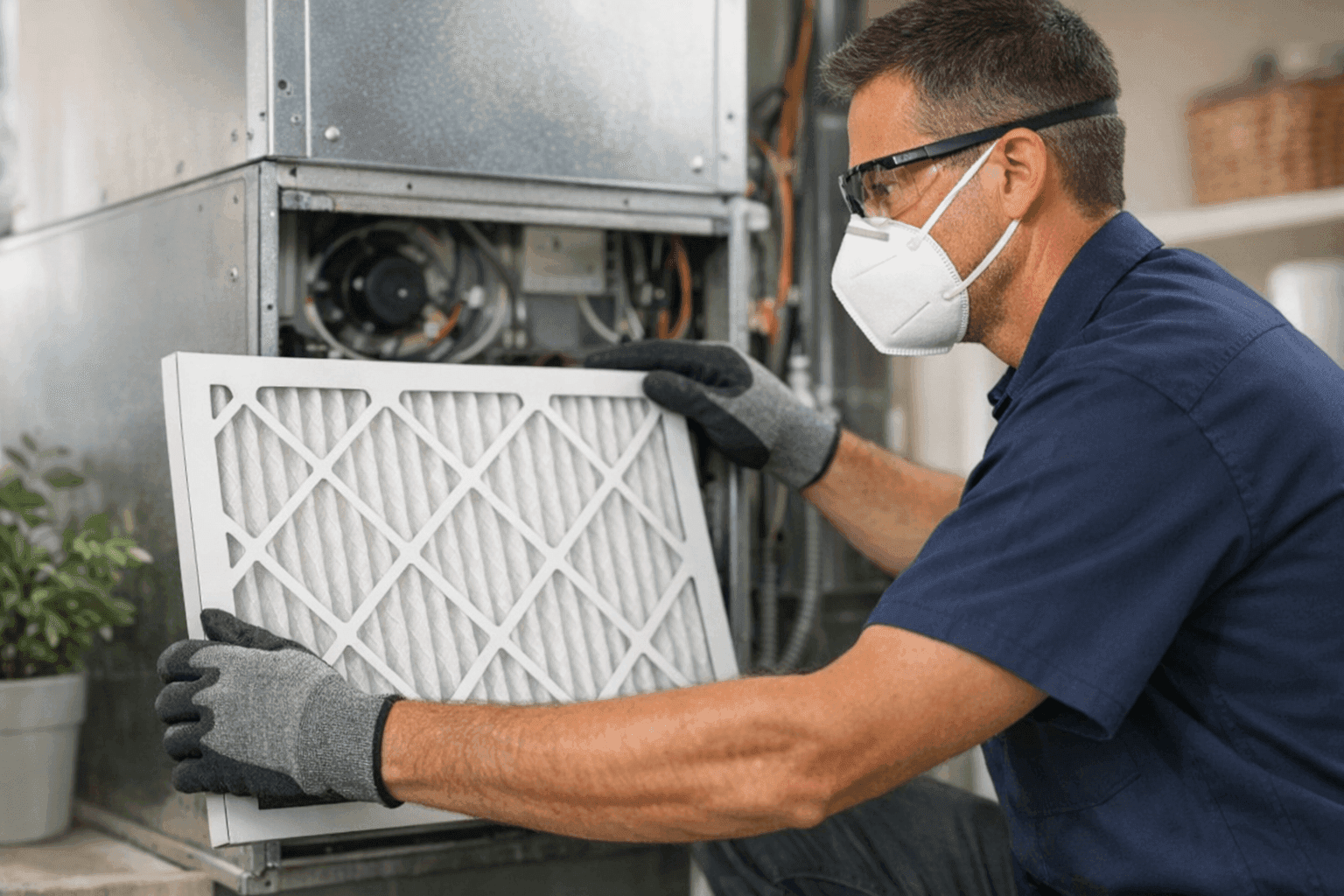
Are you tired of sneezing fits and scratchy throats—right in your own living room or office? You’re not alone. In Indiana and beyond, seasonal allergies and indoor air pollution make everyday comfort a challenge. At Best Indy HVAC, we see how overlooked air systems fan the flames of allergy misery every day.
But relief is closer than you think. With the right HVAC solutions, you can turn your space into a true safe haven for healthy breathing—no matter what’s swirling outside.
What’s Really Triggering Your Indoor Allergies?
Invisible enemies lurk in your vents and carpets. Common culprits include:
- Pollen sneaking in through windows and shoes
- Dust mites thriving in warm, humid air
- Mold spores from damp basements or bathrooms
- Pet dander floating long after Fluffy leaves the room
- VOCs (volatile organic compounds) from cleaning sprays, paint, or new furniture
Sometimes, these triggers ride the air currents right from your HVAC system. If your filters are clogged or outdated, your system could be blowing more than just cool air.
Filters: The Front Line Defense for Allergy Relief
Imagine your HVAC filter as a goalie in a hockey game—blocking unwanted particles before they reach your lungs. The right filter matters. Here’s what to know:
How to Choose Allergy-Friendly Filters
- MERV Rating: Look for filters rated MERV 11–13. These trap most allergens, but still keep your system running smoothly.
- HEPA Filters: True HEPA filtration (High Efficiency Particulate Air) captures up to 99.97% of particles down to 0.3 microns. Not every system fits HEPA, so ask your technician.
- Change Schedule: Replace standard filters every 1–3 months. If you have pets or allergies, check monthly.
Not sure what you need? Our filters service page explains the options for homes and businesses.
Air Purifiers and Air Scrubbers: Next-Level Clean
Filters are a great start, but sometimes you need backup. Air purifiers and air scrubbers act like bouncers at the club—kicking out the microscopic troublemakers.
Selecting the Right Air Purifier for Allergies
- UV Lights: Kills bacteria and mold as air circulates.
- Ionic Purifiers: Charge and collect airborne dust, pollen, and even smoke.
- Whole-Home vs. Portable: Whole-home systems connect to your HVAC for maximum coverage. Portables work for single rooms.
The EPA recommends regular maintenance and proper installation for best results.
Humidity Control: The Secret Weapon 🛡️
Dust mites and mold love muggy, sticky air. Keep humidity between 30–50% to send them packing.
- Dehumidifiers: Remove excess moisture in summer.
- Humidifiers: Add moisture in dry winter months to soothe airways and keep allergens from becoming airborne.
Balanced humidity isn’t just about comfort—it’s about keeping allergens on the run.
Duct Cleaning: Out of Sight, Out of Nose
If your ducts collect dust, debris, or mold, every cycle of your HVAC turns into a sneeze-fest. Professional duct cleaning clears the hidden buildup, so you’re not recycling yesterday’s allergens.
ASHRAE (the American Society of Heating, Refrigerating and Air-Conditioning Engineers) recommends routine inspection and cleaning as part of healthy building maintenance.
Indoor Air Quality Testing: Know What You’re Breathing
You can’t fight what you can’t see. Indoor air quality (IAQ) testing spots invisible hazards—like formaldehyde, VOCs, or carbon monoxide—that filters alone can’t catch.
Our technicians use specialized meters to measure particles, humidity, and more, creating a custom action plan for your building.
Maintenance Habits That Make a Difference
Simple habits can transform your air quality:
- Vacuum and dust weekly with a HEPA filter vacuum
- Change HVAC filters on schedule
- Keep windows closed during high pollen seasons
- Run exhaust fans in bathrooms and kitchens to banish humidity
- Schedule annual HVAC maintenance with a certified technician
Geothermal and Radiant Heating: Clean Comfort, Fewer Allergens
Traditional forced-air systems can stir up dust. Geothermal and radiant heating keep the air still and the temperature steady, making them a smart choice for allergy-prone families and businesses.
Looking for “Geothermal near you”? These systems also boost energy efficiency and comfort.
AC and Furnace Upgrades: When It’s Time to Invest
Old, inefficient HVAC units can leak, harbor mold, and struggle to filter air. If your system is over 10–15 years old, consider an upgrade. Modern systems offer better filtration, quieter operation, and improved humidity control.
Seasonal Tips: Stay Ahead of Allergy Surges
- Spring: Change filters before pollen season. Run the AC to filter incoming air.
- Summer: Use dehumidifiers. Check for mold growth in damp areas.
- Fall: Clean ducts and vents after summer’s heavy use.
- Winter: Use humidifiers to combat dry, itchy air.
Signs Your HVAC System Is Making Allergies Worse
- More sneezing or coughing indoors
- Stale or musty odors
- Visible dust coming from vents
- Unexplained headaches or fatigue
If you spot these signs, it’s time to act.
DIY vs. Professional Help: What’s Safe to Tackle?
You can change filters and run portable air purifiers yourself. But when it comes to duct cleaning, system upgrades, or IAQ testing, professional tools and know-how are essential for safety and thoroughness.
What the Pros Do on Arrival
Expect a technician to:
- Inspect your system and test airflow
- Check for leaks, mold, or moisture
- Recommend the best filters for your needs
- Test air quality and suggest upgrades if needed
Quick Safety Checklist ✅
- Always turn off power before changing filters
- Wear gloves and a mask if you’re sensitive to dust
- Only use filters and parts recommended by your system’s manufacturer
- Keep chemicals and cleaning agents away from return vents
Common Mistakes that Worsen Allergies
- Skipping filter changes
- Blocking vents with furniture
- Ignoring unusual noises or smells
- Delaying annual maintenance
Real Results: Healthier Air, Happier Living
Homes and businesses across the region report fewer allergy symptoms, fresher-smelling rooms, and better sleep after HVAC improvements. The CDC and EPA both recognize the link between air quality and well-being.
For more on how hvac services can help in your area, see our dedicated page.
Ready for Cleaner, Healthier Air?
Don’t let allergies win. The right HVAC choices can clear the air—literally. Whether you need new filters, a full system upgrade, or an IAQ audit, Best Indy HVAC is here to help you breathe easy every season.
Call Best Indy HVAC now — or reach us anytime at 855-525-5859 .