HVAC for Allergy Season: Preparation & Solutions
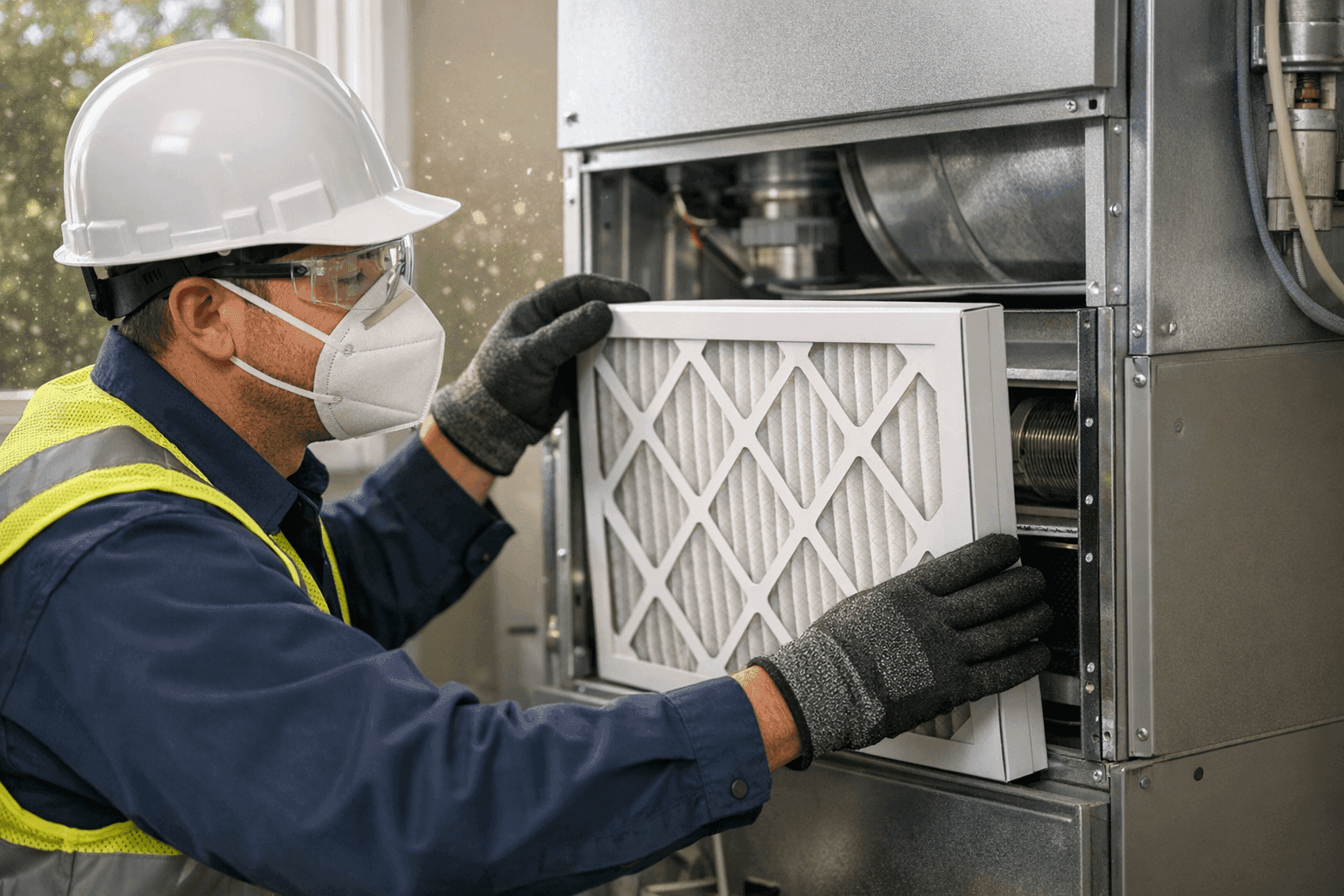
Breathe Easier This Allergy Season
It’s that time of year—itchy eyes, scratchy throats, and a nose that just won’t quit. If you’re sneezing indoors as much as outdoors, your HVAC system could be part of the problem… or the solution.
At Best Indy HVAC, we see the impact poor air quality has on families and businesses every spring. The good news? There are real, science-backed steps you can take to keep your indoor air fresh and allergy symptoms at bay.
Why Allergens Love Your HVAC
Let’s break it down. Pollen, dust mites, mold spores—these tiny troublemakers don’t just float by. They hitch a ride on every air current, settling in vents, filters, and ductwork. When your system kicks on, it’s like shaking a dusty rug in the living room.
According to the American Lung Association, indoor air can be two to five times more polluted than outdoor air, especially during allergy season.
Common Allergy Triggers Hiding Indoors
- Pollen: Travels inside on shoes, clothes, pets—and lingers in ducts.
- Dust mites: Thrive in warm, humid ductwork and filters.
- Mold spores: Love damp areas, including neglected drip pans and coils.
- Pet dander: Clings to filters and recirculates unless properly filtered.
If these sound familiar, you’re not alone. The right hvac steps can help.
Quick Safety Checklist Before Allergy Season Hits
- Replace or upgrade air filters (ideally MERV 11 or higher).
- Inspect visible ductwork for dust or mold.
- Check for water leaks around the furnace or AC.
- Test your thermostat—efficient temperature control matters.
- Clear outdoor units of debris and pollen.
Even small steps make a big difference.
Duct Cleaning: The Hidden Hero
Your ducts are like the bloodstream of your home or business. When clean, air flows freely and allergens have nowhere to hide. When dirty, it’s a different story.
Professional duct cleaning sweeps away years of pollen, dust, and contaminants. The EPA recommends cleaning ducts when there’s visible mold, pest infestation, or excessive dust buildup. For allergy-prone households, it’s a smart seasonal move.
Filter Upgrades: Your First Line of Defense
Think of your HVAC filter as a goalie, blocking invaders before they reach your lungs. But not all filters are created equal.
What to Look For:
- MERV Ratings: Higher numbers mean finer filtration. MERV 13 filters trap most allergens—including pollen, dust mites, and pet dander.
- HEPA Filters: Capture up to 99.97% of particles. Great for severe allergy sufferers (but check compatibility with your system).
- Change Frequency: Replace or clean every 1–3 months during heavy use.
The right filter can turn your system into an allergy-fighting machine.
Air Purifiers and Air Scrubbers: Extra Protection
Sometimes, a filter isn’t enough. That’s where air scrubbers and purifiers shine.
- UV Air Scrubbers: Use ultraviolet light to neutralize mold, bacteria, and viruses as air passes through.
- Portable HEPA Purifiers: Useful for single rooms—bedrooms or offices get an instant boost.
- Whole-Home Systems: Installed directly in your HVAC for continuous coverage.
The CDC highlights the benefits of HEPA and UV filtration for improving indoor air quality.
Duct Cleaning vs. DIY: What’s Safe?
Vacuuming registers and changing filters? Go for it. But deep duct cleaning is best left to professionals. Why? Specialized equipment reaches far into the system, and pros can spot mold or leaks that a homeowner might miss.
If you’re searching for an hvac company with duct cleaning experience, Best Indy HVAC is ready to help.
Maintenance Routines for Allergy Relief
Consistency beats heroics every time. Here’s your seasonal routine:
- Replace filters before spring and fall.
- Schedule annual HVAC maintenance (pro tip: include coil cleaning).
- Check for leaks, standing water, or rust in and around your system.
- Have your ducts inspected and, if needed, cleaned every 3–5 years (more often if you have pets or allergies).
How Humidity Impacts Allergies
Too dry, and you get nosebleeds and static shocks. Too humid, and mold and dust mites thrive. Most experts recommend keeping indoor humidity between 30% and 50%.
Consider whole-home dehumidifiers or humidifiers to keep levels in check. Your lungs will thank you.
Geothermal and Allergy Relief
Looking for “Geothermal near you”? These systems don’t just heat and cool efficiently—they reduce dust movement and airborne allergens by minimizing forced air compared to traditional HVAC. A great option for new builds or major upgrades.
Air Balancing: Even Comfort, Fewer Allergens
If some rooms feel stifling while others are chilly, your system might need air balancing. This process ensures even airflow, preventing stagnant air where allergens can accumulate. Proper balancing also boosts energy efficiency.
Signs Your HVAC Is Making Allergies Worse
- Increased sneezing or asthma symptoms indoors
- Dust buildup around vents and furniture
- Musty odors or visible mold near registers
- Unexplained spikes in energy bills
Spot these? It’s time for a closer look.
When to Call for 24-Hour Emergency Service
Allergy triggers can escalate fast—especially if you spot mold or smell burning odors from your vents. Don’t wait. Our team provides 24-hour emergency HVAC service for urgent issues.
Choosing the Right HVAC Products
Not all solutions fit every home or business. Consider:
- System age: Older systems may need upgrades or retrofits.
- Allergy severity: Severe symptoms may call for HEPA-level filtration and air scrubbers.
- Building use: Commercial spaces may benefit from advanced ventilation or IAQ testing.
Discuss your needs with a qualified technician who understands both the science and the practical realities.
Frequently Asked Questions
How often should I change my filter during allergy season?
Plan for every 1–2 months, or more often with pets or visible dust.
Will duct cleaning stop allergies completely?
No single step solves everything, but clean ducts combined with filter upgrades and regular maintenance make a noticeable difference.
Are air purifiers worth it?
For many, yes—especially those with asthma, allergies, or compromised immune systems.
What about commercial buildings?
Large spaces need tailored plans: regular HVAC maintenance, commercial-grade filters, and periodic IAQ testing.
Conclusion: Breathe Easier with Best Indy HVAC
Allergy season doesn’t need to invade your space. With the right preparation—filter upgrades, professional duct cleaning, and smart maintenance—you can create a healthier, more comfortable environment for everyone.
Call Best Indy HVAC now — or reach us anytime at 855-525-5859 .