HVAC for Apartments & Condos: What Tenants Should Know
Living in an apartment or condo brings a unique set of comforts—and challenges—when it comes to heating and cooling. You want reliable comfort, clean air, and peace of mind. But what happens when the temperature goes haywire or the air feels stuffy?
At Best Indy HVAC, we know the ins and outs of multi-unit living. Let’s break down what every tenant should know about staying cool, cozy, and safe in shared spaces.
Types of HVAC Systems in Apartments & Condos 🏢
First things first—every building is different. Some apartments have their own furnace or air conditioner, while others share a central system. Here’s what you might find:
- Individual Units: Each apartment has its own HVAC equipment. You control the temperature and often handle filter changes.
- Central Systems: One big system sends hot or cool air to all units. You might only control a thermostat.
- Mini-Splits & PTACs: Small, efficient systems found in newer or updated buildings.
- Boilers & Radiators: Older buildings sometimes use hot water or steam radiators for heat.
Not sure which you have? Ask your landlord or building manager. Knowing your system helps you spot problems early and take the right steps.
Tenant vs. Management: Who’s Responsible for What?
It’s like playing a team sport—everyone has a role.
-
Tenants are usually in charge of:
- Changing filters if you have a private unit
- Reporting strange noises, leaks, or odors quickly
- Making sure vents aren’t blocked by furniture or clutter
-
Management or Owners are responsible for:
- Annual inspections and tune-ups
- Major repairs or replacements
- Keeping shared equipment up to code
For specifics, check your lease and local housing codes. The U.S. Department of Housing and Urban Development (HUD) outlines basic responsibilities for both sides.
Quick Safety Checklist Before You Touch Anything
Safety comes before comfort. If your HVAC is acting up, do a quick check:
- Smell gas or burning? Leave the area and call emergency services.
- Notice water pooling under a unit? Report it.
- Hear banging, screeching, or rattling? Turn the system off and alert management.
- Thermostat screen blank or not responding? Try replacing batteries if allowed.
Never try to open sealed equipment or electrical panels yourself. It’s like poking a sleeping bear—dangerous and best left to pros.
Common Signs Your HVAC Needs Attention
Sometimes, your system whispers for help before shouting. Look for these red flags:
- Air feels stuffy, musty, or unusually dusty
- Uneven hot or cold spots in your space
- Strange noises—clicks, pops, or grinding
- Higher energy bills with no obvious cause
- Dripping, condensation, or rust around vents
If you spot these, don’t assume it’ll fix itself. Early action saves headaches (and expense) down the road.
What Can Tenants Do to Keep Air Fresh?
You have more control than you might think—even in a shared building.
- Change Filters: If you have access, swap filters every 1-3 months. Use the size and type recommended by your building or by ENERGY STAR.
- Keep Vents Clear: Avoid blocking vents with furniture, curtains, or storage boxes.
- Dust and Vacuum Regularly: Less dust means less for your HVAC to move around.
- Check Windows and Doors: Drafty seals let comfort (and money) slip away.
Want to go a step further? Ask about indoor air quality upgrades such as air scrubbers or dehumidifiers.
Indoor Air Quality in Shared Buildings: What to Watch For
Apartments and condos breathe together. What happens in one space can drift to another. That’s why indoor air quality (IAQ) matters so much.
Shared air can carry:
- Allergens (dust, pollen, pet dander)
- Odors from cooking or smoking
- Mold spores from leaks or humidity
- Germs and viruses
The American Lung Association recommends proper ventilation and regular IAQ testing. If you have health concerns, speak up—your building may offer solutions like duct cleaning or upgraded filters.
DIY Fixes vs. Calling a Pro
Some problems you can tackle. Others need a licensed technician.
DIY:
- Change accessible filters
- Reset the thermostat
- Gently vacuum supply and return vents
Call Best Indy HVAC:
- No airflow, no heat, or no cooling
- Electrical issues (flickering lights, tripped breakers)
- Water leaks from your HVAC
- Persistent odors or poor air quality
- System won’t turn on or keeps shutting off
If you’re ever unsure, err on the side of caution. HVAC systems are powerful—and repairs done wrong can be costly or unsafe.
When It’s an Emergency (And What to Do Next)
Some issues can’t wait:
- Total loss of heat in freezing weather
- Air conditioning failure during extreme heat
- Gas odors or signs of fire
- Smoke or sparks from any unit
Call your property manager and a professional right away. Indiana law (and most states) requires landlords to respond quickly to loss of essential services. If you need 24-hour help, our emergency line is always open.
How Long Do Repairs and Maintenance Take?
Most routine maintenance checks last 30–90 minutes. Simple repairs (like replacing a thermostat or capacitor) can be done in an hour.
Major fixes—such as blower motors, compressors, or ductwork—may require several hours or more, especially if parts must be ordered. Your building manager should keep you updated every step of the way.
Preventing Problems: Year-Round Tips
Think of HVAC as your apartment’s lungs. Keep them healthy with these habits:
- Schedule regular filter changes (mark your calendar)
- Don’t ignore small issues—catch them before they snowball
- Let repair techs know about temperature swings or odd smells
- During allergy season, ask about IAQ testing or air scrubbers
A little attention now keeps your system—and your comfort—running smooth.
Seasonal Considerations for Indiana Weather
Indiana weather can flip-flop faster than you can say “layer up.”
Spring: Test your AC before the first heat wave. Clear debris from vents or window units. Summer: Watch for humidity and run dehumidifiers if needed. Don’t overwork the system by setting temps too low. Fall: Turn on your heat early—catch problems before winter. Winter: Prevent frozen pipes and keep vents unblocked by snow or ice.
Stay ahead of the seasons and your system will thank you.
Common Mistakes Tenants Make
Even the best tenants slip up. Avoid these pitfalls:
- Blocking vents with furniture or boxes
- Forgetting to report small leaks or drafts
- Setting the thermostat too high or low
- Using the wrong filter size
- Attempting DIY repairs beyond your skill level
If in doubt, ask your building manager or hvac specialists for advice.
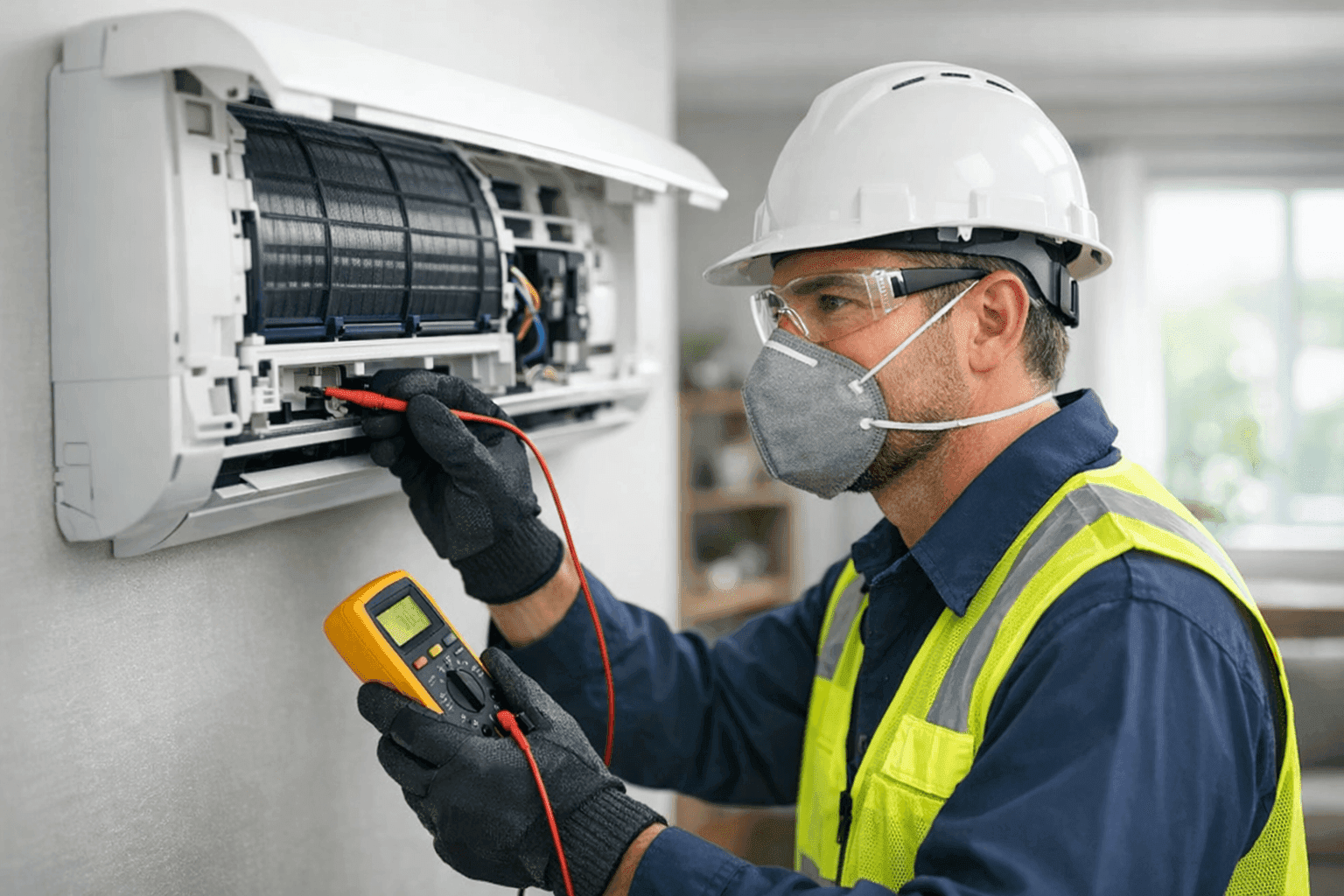
What Pros Do When They Arrive
A trained technician won’t just swap a part and go. Here’s what to expect:
- Listen to your concerns and ask questions
- Inspect the thermostat, filters, and main equipment
- Check for electrical or plumbing issues
- Test for carbon monoxide and proper airflow
- Offer recommendations for repairs or improvements
You’ll get a summary of findings and a clear plan for next steps. No guesswork—just solid solutions.
Air Balancing and Duct Cleaning: The Hidden Helpers
Sometimes, comfort issues aren’t about the equipment—they’re about airflow. Over time, ducts collect dust, debris, even lost toys or critters. This can throw off your system’s balance.
Professional air balancing and duct cleaning can:
- Improve comfort in every room
- Reduce allergens and odors
- Boost system efficiency (lowering bills)
Ask your property manager if these services are included in your building’s maintenance plan, or request a quote from Best Indy HVAC.
Geothermal, Mini-Splits, and New Tech: What Tenants Should Know
More buildings are turning to energy-efficient options like geothermal systems and ductless mini-splits. They use less energy, run quieter, and often provide better comfort.
If your building offers “Geothermal near you,” ask about your role in maintaining the system. Most of the heavy lifting is handled by pros, but you can help by reporting changes in comfort or utility bills.
Frequently Asked Questions
Q: Can I install my own thermostat?
A: Only if your lease and building rules allow it. Some thermostats require wiring changes—get approval first.
Q: My neighbor smokes—can their air affect me?
A: Yes, especially in older buildings with shared ductwork. Report strong odors to management and ask about IAQ solutions.
Q: How often should HVAC maintenance be done?
A: At least once a year for heating and once for cooling. Ask your landlord for proof of recent service.
Q: Is it safe to run my system all day?
A: Yes, as long as it’s working correctly and filters are clean. In extreme weather, this keeps you safe.
Final Thoughts: Stay Comfortable, Stay Safe
Living in an apartment or condo doesn’t mean giving up on comfort or clean air. With a little know-how and the right team on your side, you can breathe easy year-round.
If you’re dealing with HVAC headaches, indoor air quality worries, or just want peace of mind, Best Indy HVAC is here for you.
Call Best Indy HVAC now — or reach us anytime at 855-525-5859 .