HVAC for Attics & Bonus Rooms: Making Hard Spaces Comfortable
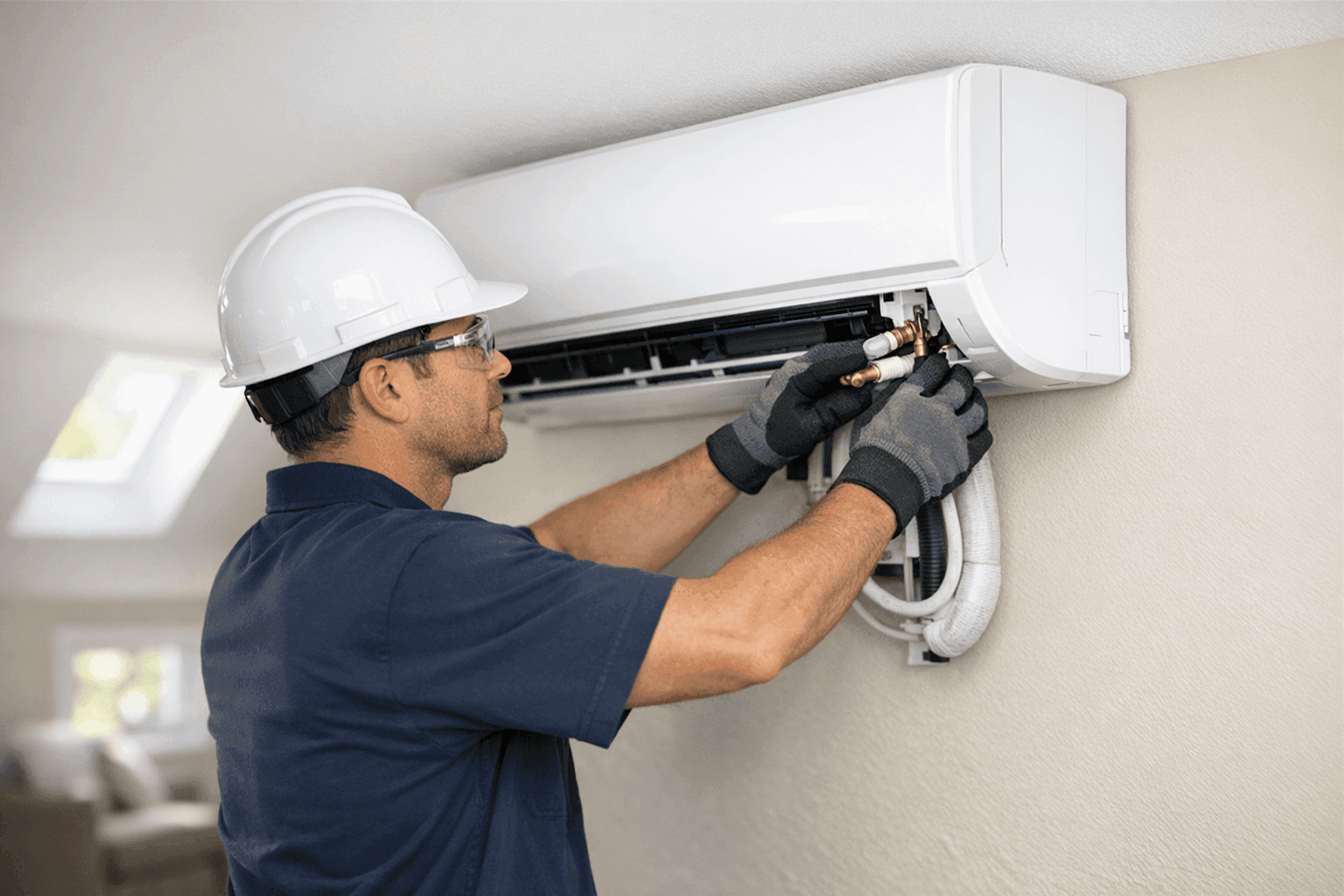
Do you avoid going upstairs because your bonus room feels like an oven in summer and an icebox in winter? Attics and converted spaces have a reputation for being tough to heat and cool. At Best Indy HVAC, we see these challenges every day. The good news? There are proven ways to make these tricky spots as inviting as your living room.
No matter if you’re planning a home office, playroom, or extra bedroom, comfort is non-negotiable. Let’s break down what it takes to get temperature control under control—without breaking the bank or the building code.
Why Attics and Bonus Rooms Challenge Your HVAC
Attics and bonus rooms often feel like they’re on a different planet. Why? They’re usually above garages or at the top of the house, where heat rises and insulation is thin. These spaces soak up summer sun and leak out winter warmth. They rarely have enough vents, and the air can feel stuffy or stale.
Airflow struggles. Ducts don’t always reach. You may even spot mold or condensation. These are signals: it’s time to rethink your HVAC approach.
Quick Safety Checklist Before You Start 🛑
Before tackling any HVAC project in these spaces, safety matters. Here’s what to check:
- Make sure attic floors are solid—no stepping through drywall!
- Watch for exposed wiring or insulation, especially old fiberglass.
- Confirm there’s enough ventilation to prevent trapped heat and moisture.
- Follow National Fire Protection Association (NFPA) guidelines for electrical work.
- If you find mold or suspect asbestos, call a pro.
A smart HVAC upgrade starts with a safe workspace.
The Most Common Comfort Issues in Attics & Bonus Rooms
You’re not alone if you face:
- Wild temperature swings (freezing at night, sweltering by day)
- Musty smells or visible mold
- Drafty spots, even with the door closed
- Dust and poor indoor air quality
- Noisy window AC units or space heaters
Solving these starts with understanding the root causes—often insulation, air leaks, or inadequate systems.
System Recommendations: Tailored HVAC for Hard-to-Reach Spaces
Not every fix is one-size-fits-all. Here’s what works best:
- Ductless Mini-Splits: Ideal for single rooms. No ductwork needed and remote control makes adjusting a breeze. Quiet, efficient, and targeted.
- Geothermal Heat Pumps: If your home already uses geothermal, these systems can sometimes be extended to new spaces. Searching for "Geothermal near you" can yield custom solutions for tricky layouts.
- High-Velocity Systems: Flexible, small-diameter ducts fit where old-school ones can’t. Great for historic homes or tight attics.
- Radiant Heating: Cozy underfoot for attic playrooms or offices. Invisible and silent.
- Dehumidifiers & Air Scrubbers: Keep air fresh and humidity in check, crucial for attic conversions.
Explore our geothermal and Geothermal service pages for more.
Professional Installation Tips: What Makes or Breaks the Job
A great system is only as good as its installation. Here’s what our techs focus on:
- Siting: Place indoor heads of mini-splits away from direct sunlight and high-moisture zones.
- Sealing Leaks: Use foam insulation and weatherstripping at every seam.
- Ductwork: If extending ducts, insulate thoroughly and size them right—undersized ducts mean weak airflow.
- Permits & Codes: Always follow local mechanical codes and manufacturer specs.
- Electrical: Dedicated circuits can prevent overloads, especially for heaters and AC.
A pro takes the worry (and guesswork) out of the process.
DIY vs. Call a Pro: Where to Draw the Line
Some jobs are DIY-friendly—others aren’t. You might be able to:
- Add weatherstripping to windows and doors
- Lay down insulation batts (with proper safety gear)
- Replace filters and clean vents
But HVAC installs, electrical wiring, and gas lines should stay in professional hands. Not only for efficiency—but for safety and code compliance.
Prevention & Maintenance: Keep Comfort Locked In 🛠️
Once your system’s humming, don’t skip upkeep:
- Change air filters every 1–3 months
- Inspect for leaks or blocked vents each season
- Schedule annual Geothermal to catch issues early
- Clean attic and bonus room vents regularly
A little TLC goes a long way toward steady comfort and lower bills.
Cost-Effective Upgrades for Attics & Bonus Rooms
Upgrading doesn’t mean emptying your wallet. Start with:
- Blown-in insulation: Fast, affordable, big impact on comfort
- Programmable thermostats: Keep temps steady—without constant fiddling
- Weatherproofing: Caulk, foam, and door sweeps tackle air leaks
- Portable dehumidifiers: Control moisture on a budget
Investing in the right places pays off with every utility bill.
Timeline & Disruption: What to Expect
Worried about mess or downtime? Most mini-split installs take just a day. Adding insulation or sealing leaks can often be wrapped up in a weekend. Extending ductwork or running electrical lines may take longer, especially in older homes.
Our team works clean and efficient. And we keep you in the loop every step of the way.
Seasonal Considerations: Stay Ready Year-Round 🌦️
- Spring/Fall: Best times for upgrades—mild temps make work easier.
- Winter: Check for cold drafts, ice dams, or condensation.
- Summer: Watch for overheating and humidity spikes.
A proactive approach now means fewer surprises later.
Signs Your System Needs Help
Keep an eye (and ear) out for:
- Rooms that never reach the right temperature
- Sudden spikes in utility bills
- Musty or burning odors
- Excess condensation on windows or walls
If these show up, it’s time to call for a checkup.
Common Mistakes—And How to Dodge Them
- Ignoring insulation: Even the best HVAC can’t overcome poor barriers.
- Oversizing systems: Bigger isn’t always better; right-sizing saves money and energy.
- DIY electrical work: Leave this to licensed pros—every time.
- Skipping annual maintenance: Small problems become big ones if ignored.
Be smart, not sorry.
When It’s an Emergency
No heat in winter? AC failed during a heatwave? That’s an emergency. Unbearable temps can damage your home—and your health. Our 24-hour service means help is just a call away.
FAQ: Attic & Bonus Room HVAC
Do I need a whole new system?
Not always. Sometimes a ductless unit or insulation upgrade is enough.
Can I use my existing HVAC?
Maybe. But many systems aren’t sized for extra rooms. Let a technician evaluate your options.
Is ventilation really that important?
Absolutely. Proper airflow prevents mold, keeps air fresh, and helps your HVAC work efficiently.
For more on local codes and best practices, the U.S. Department of Energy and ASHRAE offer detailed guidance.
Real Results: Comfort Where It Counts
We’ve helped hundreds of homeowners—just like you—turn neglected attics into cozy bedrooms and bonus rooms into bustling home offices. Reliable comfort is possible in every corner of your house.
If you’re searching for an hvac contractor for your attic or bonus room project, let’s talk about what works for your space.
Ready for Year-Round Comfort? Let’s Get Started.
Don’t let hard-to-heat or cool spaces go unused. Whether you’re considering a mini-split, geothermal, or smart maintenance plan, we’re here to help.
Call Best Indy HVAC now — or reach us anytime at 855-525-5859 .