HVAC for Finished Basements: Comfort & Moisture Control
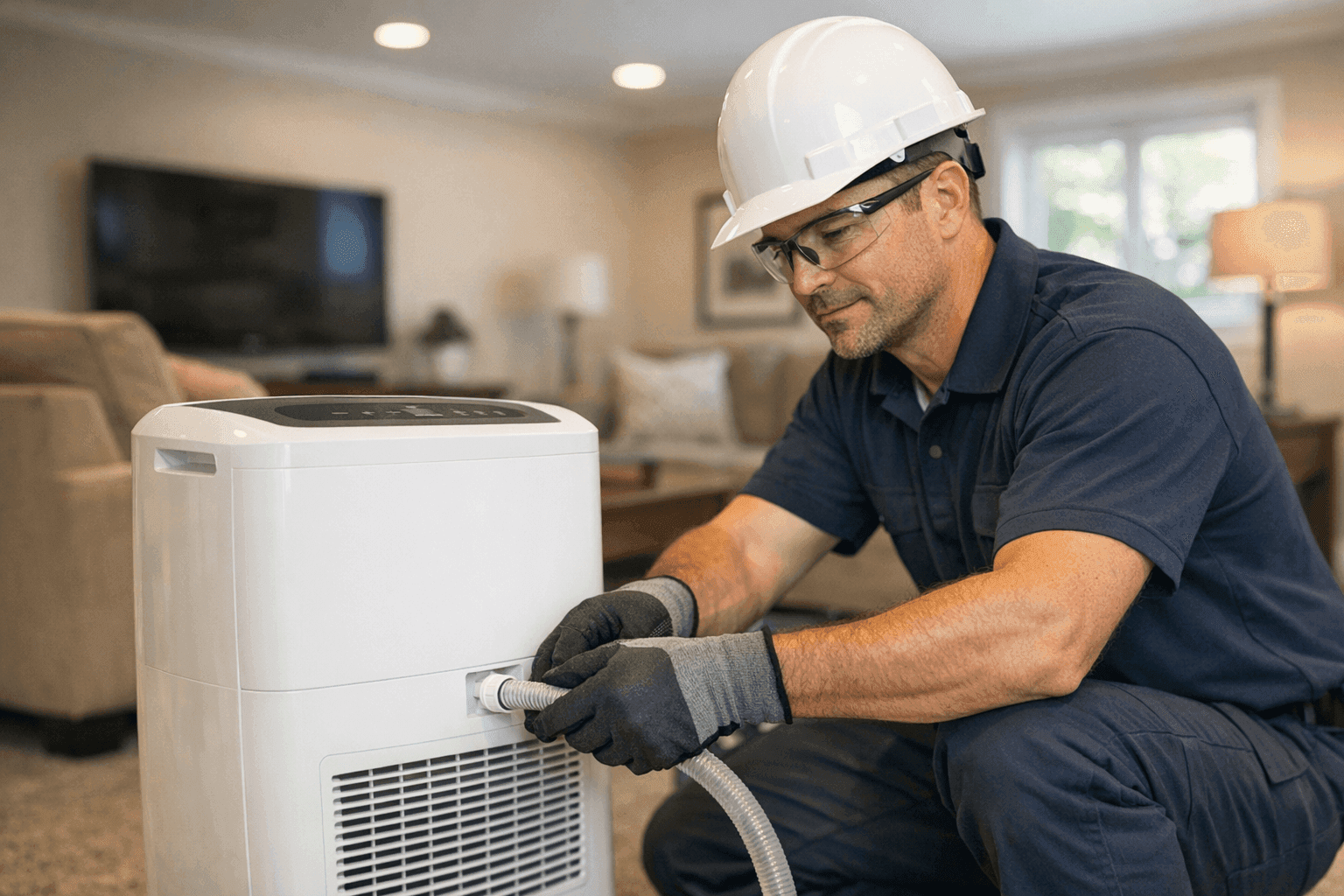
Every basement tells a story. Maybe yours is a movie den, a guest suite, or that dream home gym. But finished basements also whisper about damp air, chilly floors, and the musty scent of moisture hiding in the corners. Proper HVAC isn’t just about comfort—it’s about protecting your investment and your health. At Best Indy HVAC, we help homeowners and businesses transform basements from afterthoughts into year-round retreats.
You deserve a comfortable, healthy basement—without hidden surprises. Let’s dig into the essentials for heating, cooling, and keeping moisture in check, using proven building science and practical solutions.
The Unique Challenge of Finished Basements
Finished basements are different. They’re below ground, surrounded by earth that acts like a giant sponge—cold in winter, damp in summer. Unlike upstairs spaces, basements can’t always rely on gravity-fed airflow or consistent temperatures.
Problems? Think cold toes in January, sticky air in July, or mysterious mold creeping behind drywall. Moisture sneaks in through foundation walls or up from the floor, and without the right HVAC setup, it becomes a stubborn guest.
Quick Safety & Comfort Checklist ✅
Before starting any project, it’s smart to assess your basement’s needs:
- Check for visible leaks. Water stains, peeling paint, or damp carpet are all red flags.
- Test humidity. Hygrometers are cheap and reveal if your basement’s air is too wet (over 60% relative humidity is trouble).
- Look at venting. Are supply and return vents present and unobstructed?
- Inspect insulation. Proper wall and rim joist insulation make a huge difference.
- Sniff for musty odors. They often signal hidden moisture or mold.
If you spot issues, address them before adding or upgrading HVAC systems.
Heating Options for Basements
Warmth is comfort—but heating basements can feel like heating a cave. Choices include:
- Extending existing ductwork: Often possible, but check system capacity first.
- Mini-split heat pumps: Perfect for zoned comfort without bulky ducts.
- Radiant floor heating: Like a cozy blanket underfoot—ideal for finished spaces.
- Geothermal systems: For the ultimate in efficiency and even heat, geothermal near you can turn the earth’s steady temperature into gentle, reliable warmth. Learn more about our Geothermal solutions.
Each option has pros, cons, and specific installation requirements.
Cooling Strategies for the Lower Level ❄️
Basements often feel cool, but that doesn’t mean they’re comfortable. In humid climates, cool air can be clammy without good AC.
- Ducted central air: Works if your main system is properly sized.
- Ductless mini-splits: Flexible, quiet, and energy-efficient. No need to carve up walls for ducts.
- Whole-house fans: Help circulate air and push out stale, damp basement air.
- Dehumidification: Sometimes, removing moisture does more for comfort than turning down the thermostat.
Mastering Moisture: The Basement’s #1 Foe
Moisture is a stealthy intruder. Left unchecked, it leads to mold, mildew, and air that never feels quite right.
Best Practices for Moisture Control
- Seal cracks and gaps. Use high-quality caulk or hydraulic cement.
- Install vapor barriers. Poly sheeting on walls and floors blocks ground moisture.
- Grade landscaping. Slope soil away from the foundation to keep rainwater moving out, not in.
- Use a sump pump. For homes with water intrusion risk, a well-maintained sump is a basement’s best friend.
- Run a dehumidifier. Especially during humid months, it’s key for air quality.
Dehumidifiers: A Basement’s Secret Weapon
A dehumidifier is like an umbrella for your basement—quietly protecting day after day. Key tips:
- Choose the right size. Too small, and it won’t keep up. Too large, and it cycles too often.
- Direct drain is best. No buckets to empty.
- Clean filters regularly. Dust and lint cut efficiency and can harbor bacteria.
ASHRAE (American Society of Heating, Refrigerating and Air-Conditioning Engineers) recommends maintaining 30-50% relative humidity for health and comfort.
Ductwork, Air Balancing & Ventilation
Basements need fresh air as much as upstairs rooms.
- Duct cleaning: Keeps dust, mold, and allergens at bay.
- Air balancing: Ensures even temperatures throughout the space.
- Exhaust fans: Especially important in basements with bathrooms, laundry, or kitchens.
- Mechanical ventilation: ERVs or HRVs can bring in fresh air without energy loss.
Professional installation is crucial for safety, especially with gas appliances or combustion equipment.
Geothermal: The Ultimate Basement Solution 🌱
Geothermal systems use the earth’s stable temperature for heating and cooling. For basements, that means:
- Consistent comfort. No wild temperature swings.
- Energy savings. Up to 70% less electricity than standard systems.
- Quiet operation. No noisy outdoor compressors humming away.
Curious if geothermal is right for your basement? Our Geothermal service page has more details.
DIY vs. Call a Pro
Some tasks are DIY-friendly—like running a portable dehumidifier or sealing small cracks. But most basement HVAC work is best left to certified technicians:
- System sizing and ductwork require math and building code knowledge.
- Electrical connections must meet safety standards (see National Electrical Code).
- Combustion appliances need proper venting to avoid carbon monoxide risk.
- Permits and inspections keep your family safe and projects legal.
Pros bring specialized tools, experience, and insurance coverage.
What Happens When a Pro Arrives?
Expect a step-by-step assessment:
- Inspect for existing problems: Leaks, mold, airflow bottlenecks.
- Measure space and insulation.
- Test humidity, temperature, and air quality.
- Recommend tailored solutions: Sometimes that means an upgraded HVAC system; other times, a dehumidifier or improved ductwork.
- Provide a clear estimate: No guesswork, no hidden surprises.
Prevention & Maintenance: Your Ongoing Defense
The best basement is one you don’t have to worry about. Keep it that way:
- Change HVAC filters regularly.
- Schedule annual HVAC maintenance.
- Clean dehumidifiers and check for clogs.
- Inspect for leaks after heavy rain.
- Monitor humidity year-round.
A little prevention is worth a basement full of repairs.
Costs & Timeline: What to Expect
Every project is unique, but here’s a rough idea:
- Simple upgrades: Like adding a mini-split or dehumidifier, often 1–2 days.
- Full system installs: May take several days, especially if major ductwork or electrical upgrades are needed.
- Moisture remediation: Timing depends on severity—major water issues may require waterproofing before HVAC work.
Ask for a written timeline and discuss any planned disruptions in advance.
When Is It an Emergency?
Some issues can’t wait:
- Standing water after a storm
- Loss of heat during a cold snap
- Unusual odors (like burning or gas)
- Sudden spikes in humidity that threaten electronics or furniture
Best Indy HVAC offers 24-hour emergency service for urgent needs.
Common Mistakes to Avoid 🚫
Even smart homeowners slip up. Watch out for:
- Ignoring small leaks. Little drips can lead to big mold problems.
- Closing supply vents to “save energy.” This unbalances airflow and stresses your system.
- Skipping regular maintenance. Out of sight should not mean out of mind.
- Using the wrong size equipment. Oversized units short-cycle, wasting energy and missing humidity removal.
Signs Your Basement Needs Better HVAC
Keep an eye (and nose) out for:
- Uneven temperatures
- Musty odors
- Condensation on windows or walls
- Visible mold or mildew
- Persistent stuffiness despite fresh paint or cleaning
These are signals your system needs a closer look.
Seasonal Smarts: Adjusting for Weather
Indianapolis summers are humid. Winters bite hard. Your basement needs to adapt:
- Summer: Run dehumidifiers and monitor for condensation after storms.
- Winter: Check for drafts and seal gaps; radiant heat or geothermal keeps floors toasty.
- Spring/Fall: Schedule professional HVAC tune-ups and test emergency backup equipment (like generators).
The Value of Professional Assessment
Building codes and guidelines from the U.S. Department of Energy and ASHRAE exist for a reason. A professional HVAC contractor understands these standards, keeps up with the latest technology, and knows how to balance comfort, efficiency, and moisture protection.
If you’re searching for hvac specialists to handle complex basement upgrades, choose a team with a reputation for quality and safety.
Ready to turn your basement into your home’s most comfortable retreat? Call Best Indy HVAC now — or reach us anytime at 855-525-5859 .