HVAC for Multi-Family Properties: Management Best Practices
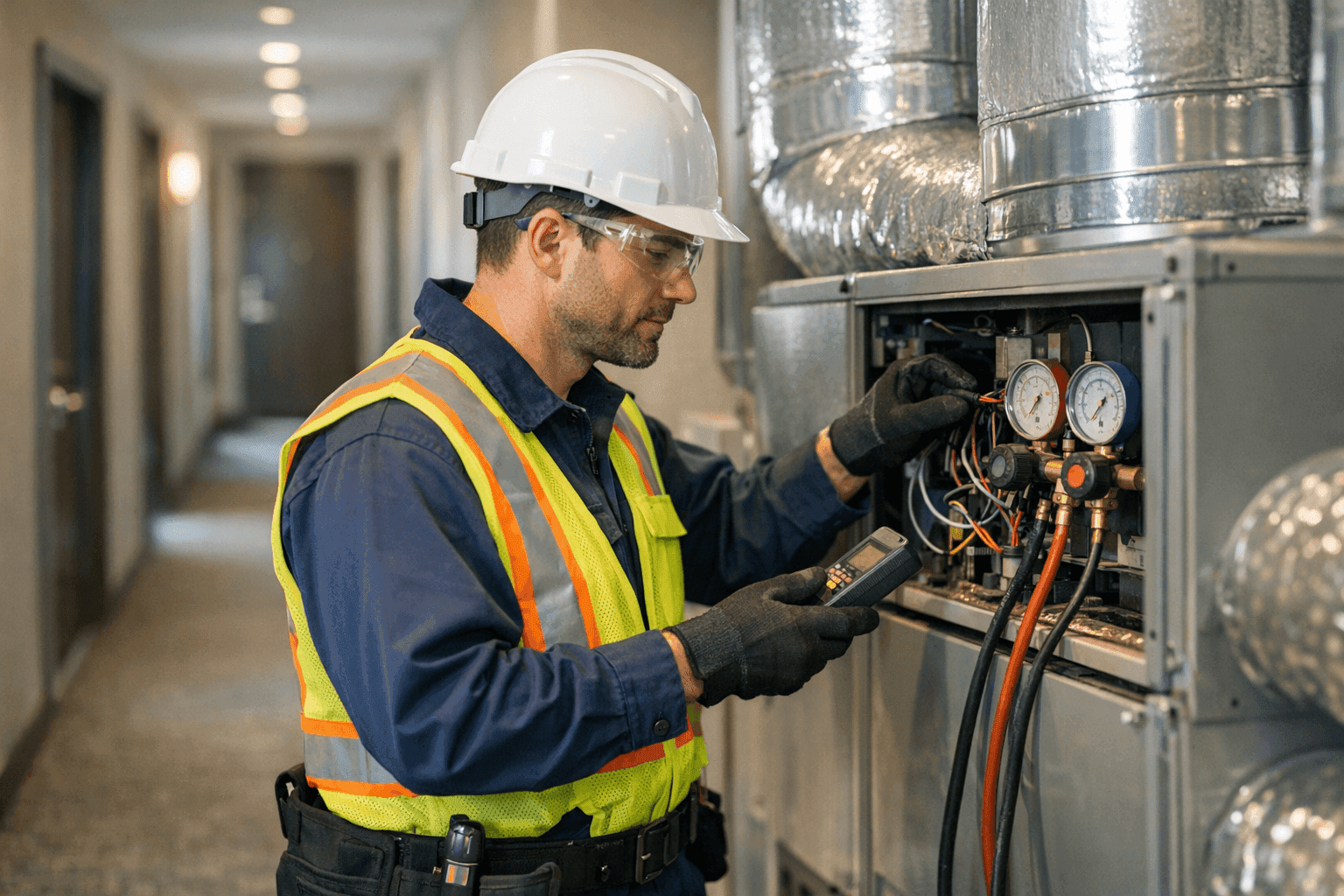
Managing HVAC in a multi-family building can feel like spinning plates during a windstorm. You need to keep every tenant comfortable, systems efficient, and costs under control—all at once. Best Indy HVAC is here to help you navigate those challenges with clarity and confidence.
Whether you own a handful of duplexes or manage a high-rise, understanding the right HVAC practices can make or break tenant satisfaction. Let’s dig into what really matters for your property.
Why Multi-Family HVAC Management Is Different
One system, many lives. In a multi-family property, a single furnace or chiller can affect a dozen families. That means minor issues can snowball. Tenant complaints stack up. A draft in one unit is a heatwave in another. The stakes are higher, the fixes more urgent.
Choosing the Right HVAC System: Options and Impacts
Every building is unique. Central HVAC, ductless mini-splits, and even Geothermal offer different benefits. Central systems are great for large buildings, but mini-splits shine where flexibility is key. Geothermal? It’s the unsung hero—quiet, efficient, and long-lasting.
- Central HVAC: Perfect for consistent comfort in big complexes.
- Mini-splits: Precise control for renovations or additions.
- Geothermal: Harnesses stable ground temps for reliable heating and cooling.
Before you pick, consider your building’s age, insulation, and tenant expectations.
Quick Safety Checklist for Multi-Family HVAC 🛠️
Safety isn’t a box to check once a year. It’s ongoing. Here’s a pulse-check for property managers:
- Inspect electrical panels and shutoffs monthly.
- Check for carbon monoxide leaks.
- Confirm all venting is clear—no blockages, no backdrafts.
- Make sure emergency information is posted and updated.
Follow guidelines from the National Fire Protection Association (NFPA) and local codes.
Preventive Maintenance: The Secret to Fewer Headaches
Think of maintenance like flossing for your building. Skip it, and you’re begging for trouble. Regular tune-ups mean fewer sudden breakdowns and longer system life.
- Schedule seasonal checkups for heating and cooling.
- Replace filters every 1-3 months.
- Clean coils, ducts, and air handlers.
- Test thermostats and controls.
Don’t wait for tenants to call. Proactive care saves money—and face.
Common Issues in Multi-Family HVAC (and How to Tackle Them)
Noisy ducts. Uneven temps. Sky-high utility bills. These are property manager nightmares. But most have simple roots:
- Airflow problems: Often dirty filters or blocked vents.
- No heat/cool in some units: Check zone controls, dampers, or refrigerant levels.
- Humidity swings: A dehumidifier or humidifier can bring balance.
If you spot leaks, strange smells, or alarms, act fast. Small problems rarely shrink on their own.
Indoor Air Quality (IAQ) Strategies for Healthier Living
Tenants notice more than just temperature. Air quality matters. Dust, pollen, and even unseen mold can stir up complaints and health issues. Here’s what helps:
- Use high-efficiency filters.
- Schedule regular duct cleaning.
- Install air scrubbers for high-traffic buildings.
- Offer IAQ testing every year.
Simple improvements—like adding air purifiers or dehumidifiers—can make a world of difference.
The Power of Communication: Keeping Tenants in the Loop
No one likes surprises—especially tenants. Set expectations early. Let them know when you’ll be doing maintenance or inspections. If there’s an outage or repair, update them quickly.
Consider a simple text or email system. Clear, honest updates build trust and reduce stress for everyone.
Budgeting for HVAC Upgrades and Repairs
HVAC is a big line item. But cutting corners only leads to bigger bills later. When budgeting, think beyond the next repair:
- Set aside funds for both routine and emergency work.
- Get quotes for major upgrades (like geothermal) well in advance.
- Factor in energy savings from newer, efficient systems.
A well-maintained system pays you back—month after month.
DIY or Call a Pro? Where Property Managers Should Draw the Line
Changing a filter? Go for it. Replacing a compressor? Not so fast. Some jobs are best left to licensed professionals. It’s about safety, code compliance, and system longevity.
Call a pro for:
- Refrigerant issues
- Electrical or gas connections
- System installations
- Major repairs
Sticking to your lane keeps your building safe and your liability low.
What Pros Do On Arrival: Setting Expectations
When you book service, know what to expect. A professional technician from Best Indy HVAC will:
- Assess the system with a full walk-through.
- Check all controls, connections, and safety devices.
- Test for leaks, unusual noises, and airflow problems.
- Explain findings in plain language before any work begins.
No guesswork. No confusion.
Emergency HVAC Situations: What Qualifies and How to Respond
When does “no heat” turn into an emergency? If indoor temps drop dangerously low, or if air conditioning fails during a record heatwave, act immediately. Other red flags:
- Carbon monoxide alarms
- Gas smells
- Electrical burning odors
Our Geothermal is ready for the unexpected—even at 2 a.m.
Seasonal Considerations for Multi-Family Properties
Winter freezes. Summer spikes. Each season brings its own HVAC challenges.
- Spring: Tune up AC, clean outdoor units.
- Summer: Monitor for overloads, check refrigerant and drainage.
- Fall: Inspect heating elements, flush boilers.
- Winter: Watch for ice, test emergency shutoffs.
A little planning keeps systems humming year-round.
Common Mistakes Property Managers Make (And How to Avoid Them)
It’s easy to slip into reactive mode. But waiting for things to break leads to:
- Shorter system lifespan
- Higher repair bills
- Frustrated tenants
Instead:
- Schedule regular maintenance.
- Document all repairs and upgrades.
- Train staff on basic troubleshooting.
Prevention beats panic every time.
Signs of HVAC Trouble: Know When to Act
Listen for clues. Unusual noises, rising energy bills, or uneven temps are all red flags. Don’t ignore tenant complaints, even if they seem minor. Small leaks can lead to big headaches.
Timeline & Disruption: How Long Should Repairs Take?
Most routine service—filter swaps, thermostat checks—can be done with little disruption. Bigger jobs, like replacing a furnace, may take a day or two. Communicate clearly with tenants so everyone’s on the same page.
Materials and Equipment: What’s Worth the Investment?
High-quality filters, programmable thermostats, and energy-efficient systems pay for themselves. Geothermal systems, in particular, can lower utility bills for years to come.
When in doubt, choose durability over a quick fix.
Staying Ahead: Industry Standards and Code Compliance
Always follow local code and guidelines from the American Society of Heating, Refrigerating and Air-Conditioning Engineers (ASHRAE). Regular audits and inspections keep you in compliance—and out of trouble.
Partnering With the Right HVAC Contractor
Not all contractors are created equal. Look for those with experience in multi-family properties, proper licensing, and a history of quality work. Your property—and your reputation—depend on it.
For more on finding an hvac contractor in Fall River, see our hvac company page.
Keeping your multi-family property comfortable, safe, and efficient doesn’t have to be overwhelming. With proactive management, smart upgrades, and a reliable service partner, you can keep both tenants and systems happy all year.
Call Best Indy HVAC now — or reach us anytime at 855-525-5859 .