HVAC for New Construction: Key Planning Steps
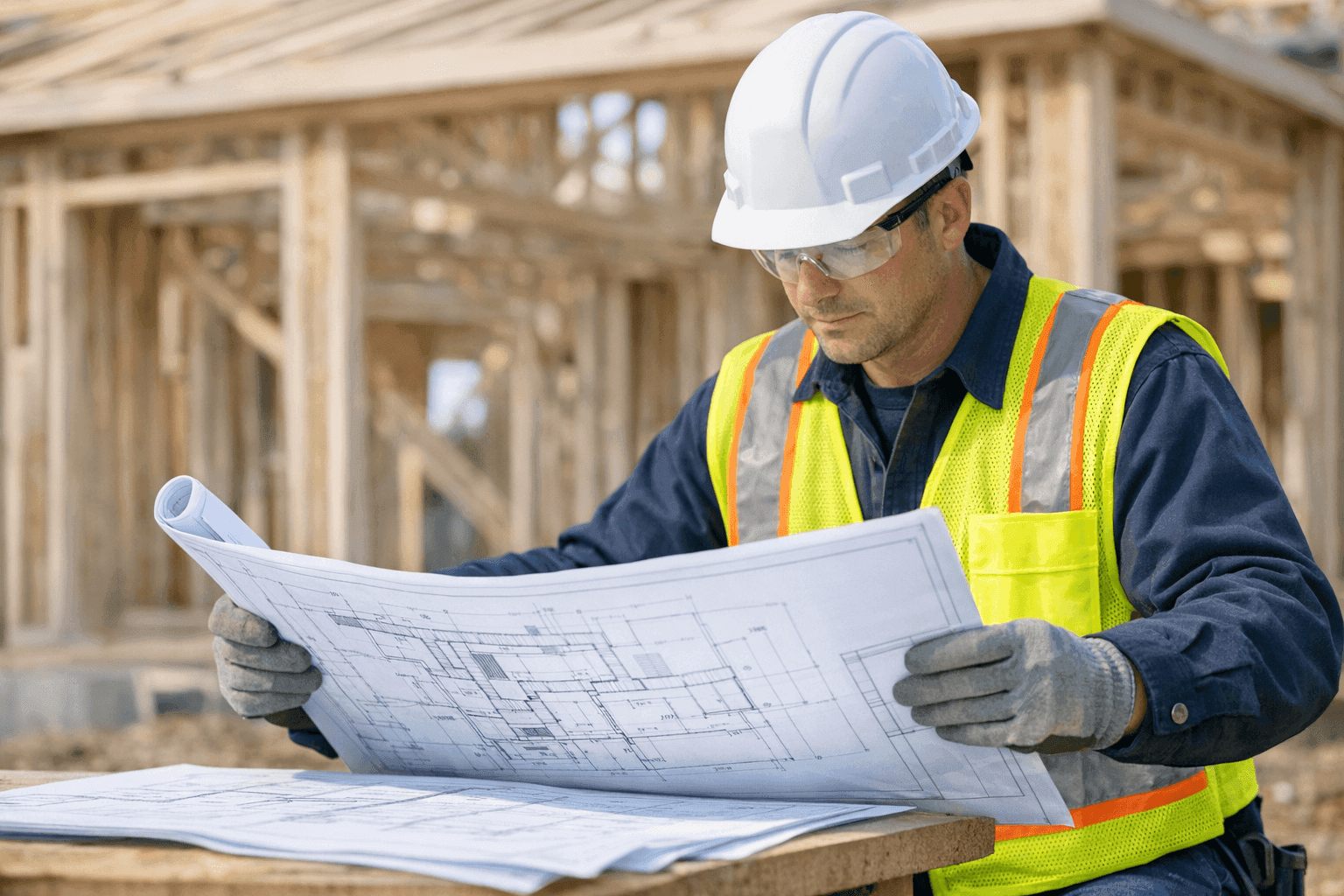
Building a new home or commercial space? The excitement is real—but so are the decisions. HVAC might not be the flashiest item on your checklist, but it’s the backbone of lasting comfort and energy savings. Cut corners now, and you could be paying for it every season.
At Best Indy HVAC, we’ve helped countless property owners avoid those headaches by planning smarter from the very start. Here’s how you can, too.
Why Early HVAC Planning Matters
Picture your new space as a blank canvas. The right HVAC planning is like sketching the outlines before you paint—miss something, and you’ll notice it forever. HVAC affects everything: comfort, air quality, monthly bills, even building value.
Decisions made during the design phase ripple out for decades. Change orders later? Expensive and disruptive. Get it right from the jump.
The Design-Build Process: Laying the Groundwork 🏗️
A solid HVAC plan starts with collaboration. Architects, builders, and your HVAC contractor should talk early and often. This teamwork avoids conflicts—like duct runs that fight with beams, or systems squeezed into closet-sized spaces.
- Share blueprints and building specs up front
- Discuss priorities: energy savings, comfort zones, indoor air quality
- Build a timeline that keeps everyone moving in sync
The National Association of Home Builders recommends looping in HVAC pros before final drawings are set. That’s where we come in.
Load Calculations: The Foundation of Comfort
Guesswork has no place here. Proper load calculations—using Manual J, the gold standard—determine how much heating and cooling your space actually needs. Too big, and you’ll cycle on and off, wasting energy. Too small, and you’ll never be comfortable.
Factors include:
- Square footage
- Window size and orientation
- Insulation levels
- Occupancy
- Local climate
ASHRAE (American Society of Heating, Refrigerating, and Air-Conditioning Engineers) sets the benchmarks. Rely on these, not rules of thumb.
System Selection: Matching Needs to Technology
A one-size-fits-all system? Doesn’t exist. Best Indy HVAC helps you weigh the options:
- Geothermal: The ultimate in efficiency, tapping stable underground temperatures. If you’re searching for "Geothermal near you," new construction is the perfect time to install. Learn more about geothermal systems.
- Mini-splits: Flexible comfort, especially in homes with unique layouts or additions.
- Traditional forced air: Still a solid choice for many, with endless options for customization.
Consider future needs, too—will you be adding on? Planning for solar? The system you choose today should evolve with you.
Duct Design: The Hidden Arteries
Ductwork is the unsung hero of indoor comfort. Poor design means hot and cold spots, noise, and wasted energy. Good design follows Manual D standards, ensuring every room gets the right airflow.
Key tips:
- Keep duct runs short and straight
- Insulate ducts in unconditioned spaces
- Seal joints to prevent leaks
Sheet metal work matters here, as does proper air balancing. Don’t leave this to chance.
Energy Code Compliance: Building Smart from the Start
Every jurisdiction has codes, and they’re tightening. Meeting (or exceeding) the latest energy codes isn’t just about passing inspection—it’s about future-proofing your investment.
Look for:
- High-efficiency equipment (check ENERGY STAR ratings)
- Smart thermostats
- Proper insulation and air sealing
- Fresh air ventilation (sometimes required)
Consult your local building department and the International Energy Conservation Code (IECC) for details.
Indoor Air Quality: More Than Just Temperature
Comfort isn’t just about staying warm or cool. It’s about the air you breathe. New, energy-tight buildings need help bringing in fresh air and filtering out pollutants.
Best practices:
- Add air scrubbers or high-MERV filters
- Consider whole-house dehumidifiers or humidifiers
- Plan for regular duct cleaning and filter changes
Indoor air quality (IAQ) should be part of the initial design, not an afterthought. Geothermal
Common Pitfalls: What to Watch Out For ⚠️
Mistakes in HVAC planning can haunt you. Here’s what we see most often:
- Undersized equipment—struggles to keep up in extreme weather
- Oversized systems—short cycles, high bills, uneven comfort
- Poorly placed thermostats—leads to hot/cold zones
- Ductwork afterthoughts—crammed into leftover spaces, full of leaks
Avoiding these is about attention to detail, and listening to seasoned HVAC specialists.
The Value of Early HVAC Consultation
Think of your HVAC contractor as an architect for comfort. The earlier we’re involved, the better the result. We spot conflicts, suggest energy-saving tweaks, and help with rebates or incentives long before you break ground.
Early consultation means fewer surprises—and more money in your pocket down the road.
Timeline: What to Expect (and When)
Planning an HVAC system for new construction isn’t a snap decision. Here’s how it usually unfolds:
- Pre-design: Share ideas and blueprints
- Load calculations and system selection: Weeks before breaking ground
- Rough-in: Ductwork and mechanicals go in before drywall
- Final installation: Equipment, controls, and air balancing
- Startup and testing: We confirm everything works as planned
Allow time for each step. Rushed jobs invite mistakes.
Budgeting and Cost Factors
Quality HVAC is an investment, not a line item to slash. Costs vary based on:
- System type (geothermal, mini-split, traditional)
- Home or building size
- Energy efficiency goals
- Custom ductwork or zoning
Remember, the cheapest system today can cost more in the long run—higher bills, more repairs, and early replacement.
Prevention & Maintenance: Building in Longevity
Designing with maintenance in mind pays off. Make sure your plans include:
- Easy access to filters and controls
- Service clearances for all equipment
- Upgraded thermostats for better control
Schedule professional maintenance after move-in to keep everything humming.
When to Call the Pros
DIY has its limits. New construction HVAC requires permits, code compliance, and experience. Call Best Indy HVAC when:
- You’re creating plans or blueprints
- Deciding between geothermal and other systems
- Needing detailed load calculations
- Navigating local codes and rebates
A quick consult now saves headaches later.
Season Matters: Plan for the Weather
Building in winter? HVAC rough-ins can be delayed by cold or snow. Summer brings its own challenges. Plan for weather and allow extra time for inspections and startup.
Future-Proofing Your HVAC
Think about tomorrow. Smart thermostats, solar compatibility, and ductwork sized for future expansion all add value. Ask about technology that can adapt—wireless sensors, zoning, and more.
FAQ: Your Most Common Questions
Q: Can I add geothermal to my new home?
Absolutely. New construction is ideal for geothermal. Ask us about rebates and site requirements.
Q: How often should I change filters?
Plan for every 1–3 months, and include this in your move-in checklist.
Q: What about air quality?
Include IAQ solutions from the start for healthier air and fewer issues down the line.
Building Comfort from Day One
Smart HVAC planning isn’t just a box to check—it’s the foundation for comfort, efficiency, and peace of mind. Whether you’re dreaming of "Geothermal near you" or a high-performance system that keeps every corner cozy, Best Indy HVAC is ready to help from blueprint to move-in.
If you want to learn more about working with an experienced hvac contractor in new construction, you can read about our hvac specialists in Concord.
Call Best Indy HVAC now — or reach us anytime at 855-525-5859 .