HVAC for Older Homes: Upgrades Without Major Renovation
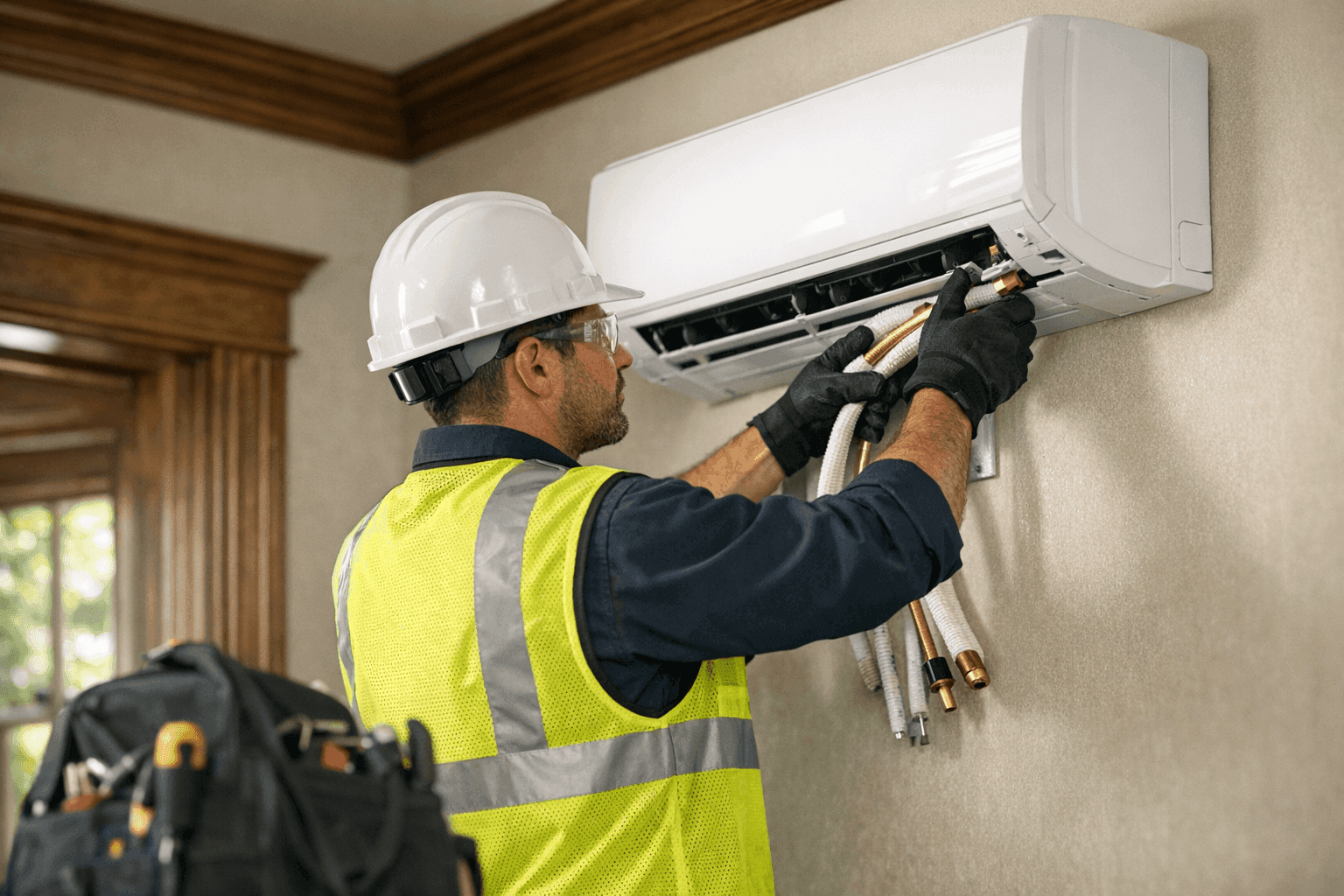
Is your home older than your favorite classic car? Many Indianapolis and surrounding area homes are packed with character, charm, and—let's face it—drafts and temperature swings. Upgrading HVAC in these vintage beauties can seem daunting. The fear? Ripping up floors or walls to install ductwork, losing precious woodwork, or compromising on aesthetics.
But what if you could boost comfort, efficiency, and air quality without turning your home into a construction zone? At Best Indy HVAC, we’ve helped families and businesses modernize historic spaces while preserving the details that make them special.
Common HVAC Challenges in Older Homes 🏚️
Older homes tell stories through creaking floors and intricate moldings—but their original builders never imagined modern climate control. Here’s what we often see:
- No existing ductwork: Most pre-1950s homes rely on radiators, baseboards, or window units, not central air.
- Tight spaces: Attics, walls, and crawlspaces leave little room for full-sized ducts.
- Leaky envelopes: Drafty windows and uninsulated walls let conditioned air escape.
- Historic features: Ornate ceilings, plasterwork, and wood paneling deserve to stay untouched.
These challenges demand creative, minimal-intrusion HVAC solutions.
Why Standard Upgrades Don’t Always Work
Traditional forced-air systems can be like trying to fit a square peg into a round hole. Retrofitting full-size ducts means major renovations, sometimes even risking damage to original features. Plus, older electrical panels may not support new equipment without upgrades.
That’s why “one-size-fits-all” rarely fits at all. Tailored solutions matter.
Ductless Mini-Split Systems: The Game Changer
Think of ductless mini-splits as the Swiss Army knives of HVAC. They deliver heating and cooling directly to rooms—no ducts required. Just slim indoor units and small outdoor compressors connected by refrigerant lines.
Benefits:
- No major demolition: Only a small hole needed for each indoor unit.
- Targeted comfort: Different temperatures in different rooms.
- Energy savings: No duct losses, high efficiency.
- Quiet operation: No noisy fans or blowers echoing through old vents.
Learn more about our HVAC Installation services.
High-Velocity Mini-Duct Systems: Big Power, Small Package
Want central air but can’t bear the idea of giant ducts? High-velocity systems use flexible, 2-inch mini-ducts that snake through walls, floors, and ceilings with minimal disruption.
Why consider them?
- Preserve historic details: Ducts fit behind crown molding or in closet corners.
- Consistent comfort: Powerful air delivery evens out temperatures.
- Less dust: Sealed, insulated ducts protect indoor air quality.
Geothermal: Sustainable Comfort Below Ground
Geothermal isn’t just for new builds. Many older homes can harness stable ground temperatures for heating and cooling—often with less indoor disruption than you’d expect. Geothermal systems use underground loops and a compact indoor unit, keeping most of the work out of sight and out of mind.
Plus, if you’re searching for “Geothermal near you,” it could mean a quieter, cleaner home for generations.
Smart Thermostats and Zoning: Modern Control for Vintage Spaces
No more fiddling with old dials or uneven temperatures between floors. Smart thermostats and zoning systems let you fine-tune comfort from your phone—or even by voice command.
Features to look for:
- Remote access: Adjust settings on the go.
- Learning capability: Some models “learn” your schedule for energy savings.
- Room sensors: Target hot or cold spots without running ductwork everywhere.
Indoor Air Quality Upgrades: Breathe Easy
Older homes can harbor dust, pollen, and even mold—especially after decades of closed windows. Modern IAQ solutions like air scrubbers, dehumidifiers, and advanced filtration can be added with little impact on historic details.
- Air scrubbers: Neutralize odors and airborne germs.
- Dehumidifiers: Keep moisture—and mold—at bay.
- High-MERV filters: Trap ultra-fine particles without heavy retrofits.
Preserving Historic Features During Installation
Worried about losing wainscoting, stained glass, or hand-carved mantels? Our team works side-by-side with homeowners, preservationists, and local code officials to protect what makes your home unique.
Tips for preservation:
- Map duct and unit locations with minimal visual impact.
- Use existing chases, closets, or attic access points.
- Prioritize non-invasive drilling or mounting techniques.
Always check with local historic commissions or building inspectors for guidelines before starting any major HVAC work.
DIY vs. Professional HVAC Upgrades
Some upgrades—like swapping filters or installing a smart thermostat—are fair DIY projects. But retrofitting mini-ducts, running refrigerant lines, or installing geothermal loops? That’s a job for licensed pros.
Why call a professional?
- Proper sizing and design prevent costly mistakes.
- Safe electrical and refrigerant work is required by code.
- Permits and inspections keep your home up to standard.
Quick Safety Checklist for Older Homes
- Check for asbestos or lead paint before drilling or cutting.
- Confirm existing wiring is up to code for new equipment.
- Ensure all gas lines and chimneys are inspected before making changes.
- Review the National Fire Protection Association (NFPA) guidelines for HVAC safety.
Energy Savings: The Real Payoff
Upgrading your old home’s HVAC isn’t just about comfort—it’s about your wallet, too. Efficient systems like mini-splits, geothermal, and properly zoned controls often cut utility bills by 20% or more.
How you save:
- Eliminate duct losses (up to 30% in leaky systems, says ENERGY STAR).
- Avoid over-conditioning unused rooms.
- Take advantage of rebates for high-efficiency upgrades.
Timeline, Disruption, and What to Expect
Most ductless or high-velocity retrofits take days—not weeks. There’s less dust, fewer open walls, and minimal downtime. We walk you through each step, keeping you in the loop and your home intact.
Common Mistakes to Avoid
- Installing oversized equipment that short-cycles and wears out.
- Ignoring insulation and air sealing—HVAC isn’t a magic fix for drafts.
- Cutting corners with unlicensed installers. Always check credentials.
Maintenance: Keeping Your Old Home’s HVAC Running Strong
- Change filters every 1–3 months.
- Schedule annual tune-ups (especially for mini-splits and geothermal).
- Keep outdoor units clear of debris.
- Monitor for strange noises, leaks, or performance drops.
See our HVAC Maintenance options.
FAQs: Your Top Questions Answered
Will a new system ruin my home’s look?
No—modern solutions are designed for discreet installation, and pros like Best Indy HVAC work to preserve every detail possible.
Is geothermal an option for city homes?
Often, yes. Vertical ground loops can fit smaller lots, and most work happens outside.
How much does a retrofit cost?
It varies by project, but less disruption often means lower labor costs than full gut renovations. We’re happy to provide a detailed estimate after a site visit.
When to Call for 24-Hour Emergency Service
If your old system fails during a heatwave or freeze, don’t wait. Call us if you notice:
- No heat or AC, especially for elderly or vulnerable residents
- Electrical smells or burning odors
- Water leaks near your furnace or air handler
Ready to Upgrade? Let’s Keep Your Home’s Story Alive
You don’t have to choose between comfort and character. With the right HVAC solutions, your home can have both—cozy winters, cool summers, and every historic feature preserved.
You can also learn more about modern hvac solutions in the Norfolk area with our hvac specialists.
Call Best Indy HVAC now — or reach us anytime at 855-525-5859 .