HVAC for Vacation Homes: Off-Season Maintenance & Prep
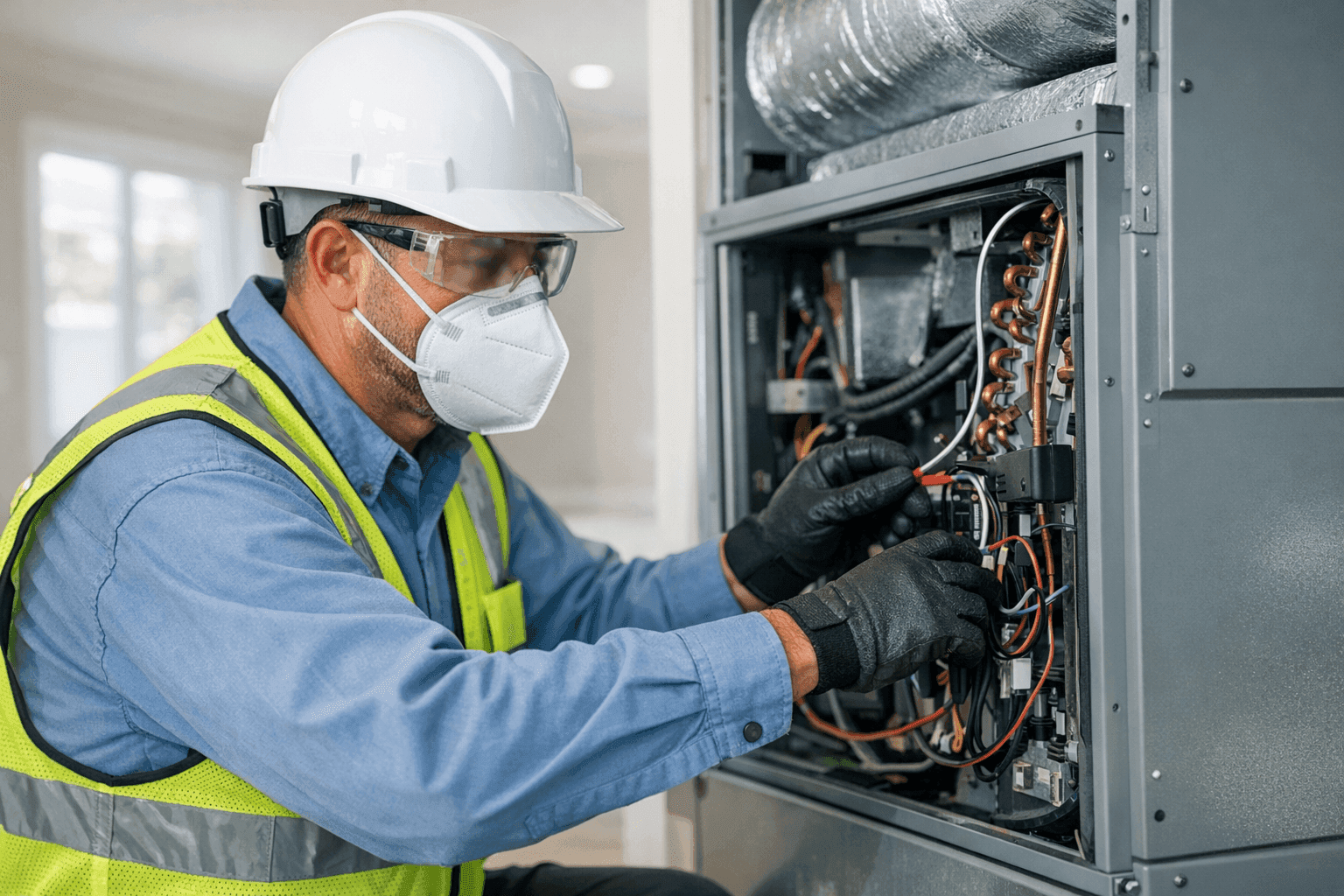
Vacation homes are a special kind of sanctuary. But when they're empty for months, a simple mechanical hiccup can snowball into costly headaches. Whether your getaway is lakeside, mountain-bound, or just a few towns over, off-season HVAC care is the invisible shield that keeps it comfortable, dry, and ready for your next escape.
At Best Indy HVAC, we know how quickly small issues can escalate. That’s why we focus on prevention, clarity, and steps that fit real life. Here’s how to keep your vacation property in its best shape—even when you’re not there.
Why Off-Season HVAC Care Is Non-Negotiable
Picture your vacation home in winter. Quiet. Still. A sudden cold snap can freeze pipes if heat fails. A humid attic breeds mold if air doesn’t circulate. Left unchecked, these problems become monsters under the bed—expensive and hard to chase away. Off-season HVAC maintenance is the flashlight that keeps those monsters at bay, saving you money, stress, and time.
Quick Safety Checklist for Leaving Your Vacation Home 🛡️
Before locking up for the off-season, make sure you:
- Set your thermostat to a safe, energy-efficient temperature (usually 55–60°F in winter).
- Replace air filters to keep the system breathing easy.
- Check for signs of leaks, rust, or odd smells in HVAC and generator units.
- Clean out dryer vents and exhaust hoods to prevent fire hazards.
- Test carbon monoxide and smoke detectors.
- Unplug unnecessary electronics to reduce fire risk.
Refer to local building codes and the National Fire Protection Association (NFPA) for safety standards.
Common Mistakes That Can Cost You
It’s easy to overlook the small stuff. But here’s what often goes wrong:
- Forgetting filter changes: Dirty filters strain the system and reduce air quality.
- Ignoring humidity: Too dry and wood cracks; too damp and mold takes hold.
- Skipping annual checks: Minor issues can morph into major repairs.
- Turning off the system completely: This can invite moisture, pests, or freezing.
The fix? Schedule regular maintenance and always double-check before you leave.
DIY vs. Call a Pro: What’s Safe to Handle?
Some things are safe for a weekend warrior. Others, not so much.
DIY:
- Swapping filters
- Setting programmable thermostats
- Cleaning vents (with a vacuum or gentle brush)
- Checking visible wiring for wear
Call a Pro:
- Full system inspections
- Refrigerant checks (EPA regulates handling)
- Duct cleaning and balancing
- Generator and electrical maintenance
Professional HVAC technicians carry certifications and use tools calibrated for accuracy. For anything beyond basics, calling in a pro is the safe, smart move. For more details on what’s included, see our AC Maintenance page.
What Pros Do On Arrival
When you schedule a post-season or pre-season visit, here’s what our team covers:
- Inspect all HVAC components—inside and out.
- Test system controls and safety features.
- Confirm power supply and backup generator functions.
- Check for leaks in refrigerant lines and fuel sources.
- Calibrate thermostats and sensors.
- Evaluate humidity levels and recommend dehumidifiers or humidifiers as needed.
- Clean and balance ductwork for even airflow.
We work quietly and efficiently, so disruption is minimal. Our focus: leave your home better than we found it.
Humidity Control: The Secret to a Healthy Home
Humidity is like Goldilocks: too little, and things crack; too much, and they rot or grow mold. Aim for 30–50% relative humidity. To get there:
- Use whole-house dehumidifiers in damp climates.
- Install smart thermostats to monitor and adjust settings remotely.
- Consider an air scrubber for added indoor air quality.
The EPA and CDC both highlight the risk of mold in moist, unventilated spaces. Protect your investment by making humidity control part of your routine.
Remote Monitoring & Peace of Mind 📲
You can’t be everywhere at once. But smart HVAC tech helps you keep an eye on things.
- Wi-Fi thermostats allow you to check and change settings from anywhere.
- Remote sensors alert you to temperature drops, spikes, or system malfunctions.
- Water leak detectors can warn you before a drip becomes a flood.
- Some systems integrate with security cameras for a complete picture.
If you’re new to smart home tech, we can help recommend and install reliable brands.
Security & HVAC: A Hidden Connection
Did you know a humming HVAC system is a subtle sign that a property is occupied? An empty house with a silent, cold interior can draw unwanted attention. Use programmable thermostats and timers to keep things running—just enough to appear lived-in. Pair with motion-sensor lights and a monitored alarm for extra reassurance.
Preventive Maintenance: Your Yearly Checklist
Mark your calendar for these tasks:
- Spring: Inspect AC, clean coils, check refrigerant, test fans.
- Fall: Service furnace, replace filters, test carbon monoxide detectors.
- Year-round: Walk the house for drafts, leaks, or odd smells.
- Every 1–2 years: Schedule a full HVAC Maintenance visit.
The Department of Energy recommends annual professional servicing for longevity and efficiency.
Air Quality Matters—Even When You’re Away
Stale air invites dust mites, mold, and allergens. To keep things fresh:
- Install air scrubbers or advanced filters.
- Seal ducts to prevent outside air leakage.
- Schedule duct cleaning every 3–5 years, depending on use.
- Use IAQ testing to spot hidden problems.
For more about air quality upgrades, our team is ready to advise.
Signs of Trouble: What to Watch For
Even from afar, you can catch issues early if you know the signs:
- Sudden spikes in utility bills
- Alerts from your smart thermostat
- Musty odors when you first walk in
- Water stains on ceilings or walls
- Frost on windows or pipes
If you notice any of these, it’s time to act fast.
Timeline & Disruption: How Long Does It Take?
Most routine checks take 1–2 hours, with little impact on your schedule. Major repairs or installations may need a full day, but we always communicate clearly about timing and steps. If you need work done before a family trip or rental season, give us as much notice as you can—especially during busy months.
Materials, Equipment, and Professional Standards
We use only code-compliant materials and tools that meet or exceed local safety standards. Our team stays current with guidelines from the Air Conditioning Contractors of America (ACCA) and the International Code Council (ICC). You get peace of mind knowing every job follows best practices and regulations.
When It’s an Emergency (And When It’s Not) 🚨
- Emergency: No heat in winter, no AC in a heatwave, gas or refrigerant leaks, flooding, or electrical sparks.
- Not urgent: Minor thermostat glitches, weak airflow, noisy vents.
If you’re unsure, call. We provide 24 hour emergency service—so you never have to wonder or wait.
Seasonal Considerations for Different Climates
- Cold climates: Focus on furnace and pipe freeze protection.
- Humid summers: Dehumidifiers and AC tune-ups are key.
- Dry mountain air: Humidifiers prevent wood damage and static.
Adjust your checklist based on your property’s location and exposure.
Frequently Asked Questions
How often should I service my vacation home's HVAC?
At least once a year, ideally before peak season. More often if it’s an older system.
Can I shut off my HVAC completely?
Not recommended. Maintain low, steady temps to prevent moisture, freezing, and pest issues.
What if I have geothermal near you or advanced systems?
We service all major types, including geothermal, radiant heating, and mini-splits. Each has unique needs—ask for a tailored checklist.
Is remote monitoring worth it?
Absolutely. It’s the modern way to spot issues before they escalate, and it’s more affordable than ever.
If you’re in the area and need a trusted hvac company, see our hvac specialists in Grand Junction.
Final Thoughts: Protect Your Peace of Mind
A vacation home should be a retreat, not a source of stress. With the right off-season HVAC maintenance, you’ll enjoy fresh air, safe systems, and lower costs—year after year. Make these steps a habit, and your next arrival will always be a pleasant one.
Call Best Indy HVAC now — or reach us anytime at 855-525-5859 .