HVAC Maintenance After a Renovation: What to Check
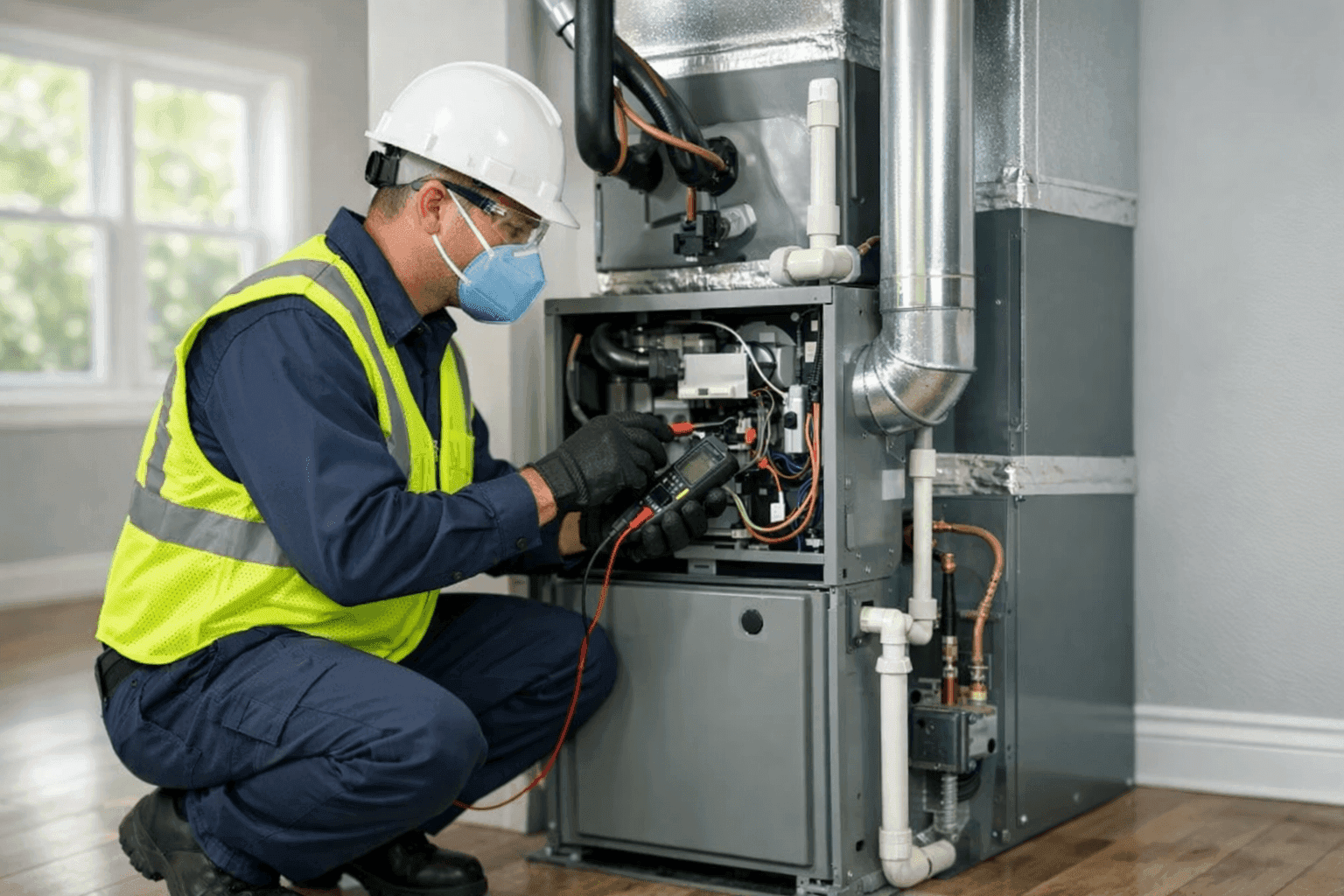
Renovation dust is sneaky. It finds every nook, every vent, every filter. You’ve just wrapped up a remodel—maybe it’s a single room, maybe it’s your whole building. But the air doesn’t feel quite right, and your HVAC seems to be working overtime. You’re not alone.
At Best Indy HVAC, we’ve helped countless homeowners and businesses restore clean, healthy air after construction. Let’s walk through the critical steps to get your system—and your comfort—back on track.
Why Post-Renovation HVAC Maintenance Matters
Construction is messy. Sawdust, drywall particles, insulation fibers—they float everywhere. Your HVAC system is like the lungs of your property, pulling in that debris and spreading it around. Ignoring a post-renovation checkup is a bit like finishing a marathon, then skipping water and a cool-down.
Air quality, energy efficiency, and even your health are at stake. According to the EPA, indoor air can be two to five times more polluted than outdoor air after construction work. That’s why a thorough inspection and cleaning isn’t just a good idea—it’s essential.
Debris in the Ducts: The Hidden Threat 😷
Ductwork is out of sight, but after renovation, it’s rarely out of trouble. Dust and debris settle inside, turning your ventilation system into a delivery truck for potential allergens and irritants.
- Fine construction dust can clog up airways like leaves in a gutter.
- Larger debris—bits of drywall, insulation scraps—sometimes get lodged in bends and junctions.
- Even if you close vents during work, particles sneak in through gaps or get tracked by contractors.
If you notice lingering odors, more dust than usual on surfaces, or family members sneezing more, your ducts may be overdue for a cleaning.
Filter Overload: The First Line of Defense
HVAC filters are like goalie nets—catching the worst of the mess before it gets into your home. But after a reno, they’re often packed tight, sometimes just days after a fresh change.
What to do:
- Replace all filters—furnace, return air, even mini-split cartridges.
- Consider upgrading to HEPA or high MERV-rated filters for extra protection, especially if you have allergies.
- Mark your calendar to re-check filters again in 2-4 weeks post-renovation.
A clogged filter forces your system to work harder, increasing energy bills and wear-and-tear.
Airflow Changes: What’s Different After Construction?
Renovation sometimes means moving walls, adding rooms, or changing layouts. This can turn your HVAC system into a confused traffic cop—airflow patterns change, and comfort can become uneven.
- Hot and cold spots in newly finished areas?
- Weak airflow from certain vents?
- Rooms that seem stuffy or never quite reach the right temperature?
These are signs your system might need air balancing or even minor duct modifications.
Quick HVAC Safety Checklist After Construction 🔍
Safety comes first. Before you crank up the heat or AC, run through this checklist:
- Inspect exposed wiring near HVAC equipment for nicks or loose connections.
- Ensure gas lines and flues are clear and undisturbed.
- Confirm that all vents and exhausts are open and unobstructed.
- Check that fire dampers (if present) are operational and accessible.
- Test carbon monoxide and smoke detectors throughout the property.
If you’re unsure, don’t risk it—call a licensed technician.
Professional System Inspection: What the Pros Check
A post-renovation HVAC inspection goes deeper than a quick peek. Here’s what our team looks for:
- Signs of debris in the blower compartment and evaporator coils.
- Blocked or crushed ducts from construction activity.
- Proper thermostat operation and calibration.
- Refrigerant line integrity (especially if walls were moved or drilled).
- Safe clearance around all HVAC equipment, per manufacturer and local code.
We follow guidelines from organizations like ASHRAE and the National Air Duct Cleaners Association for best practices.
Duct Cleaning: When Is It Necessary?
Not every project demands full duct cleaning, but here’s when you should schedule one:
- You see visible dust blowing from vents, or dark streaks on vent covers.
- Your allergies or asthma symptoms worsen.
- You find construction debris (bits of drywall, insulation) inside supply or return registers.
- Renovation involved demolition, sanding, or work in attic/basement areas near ductwork.
Duct cleaning removes buildup that filters can’t catch and helps restore healthy air.
Filter, Vent, and Register Cleaning: The DIY Approach
You don’t need a toolbox full of specialized gear to do some basic cleanup:
- Remove and wash vent covers and grilles with mild soap and water.
- Wipe down exposed duct surfaces.
- Vacuum the vicinity of supply and return registers.
Always turn off your HVAC system before cleaning, and use a soft brush attachment to avoid damaging components.
Air Quality Testing: Know What You’re Breathing
Worried about lingering dust or chemical smells? Indoor Air Quality (IAQ) testing measures what’s floating around your home or business:
- Volatile Organic Compounds (VOCs) from new paints and materials.
- Fine particulate matter from sanding or sawing.
- Mold spores if moisture was present during construction.
A professional IAQ test gives you peace of mind—and a clear action plan if problems are found.
Mini-Splits, Geothermal, and Specialty Systems: Special Considerations
Not all HVAC systems are created equal.
- Mini-splits can get clogged with dust in their wall-mounted units. Clean filters and check for condensation drainage.
- Geothermal systems rely on clean ductwork and heat pumps; post-construction sediment or blockages can impact efficiency.
- Air scrubbers and dehumidifiers might need a reset or filter change after a renovation.
If you’re searching for “Geothermal near you” or want to check other specialty systems, a post-reno tune-up is highly recommended.
When to Call a Pro vs. DIY
Some tasks are safe for a handy homeowner—like changing filters or vacuuming vent covers. But call a professional if:
- You suspect duct blockages deeper in the system.
- Odd noises, burning smells, or warning lights appear.
- You need refrigerant work, electrical repairs, or recalibration.
- Your system is due for annual maintenance anyway.
Remember, HVAC work often requires permits and must comply with local building codes. Safety and performance matter more than saving a few bucks.
Preventing Long-Term Problems: Maintenance Tips
A little prevention saves a lot of headaches down the road:
- Schedule seasonal AC Maintenance and heating checkups.
- Seal gaps around new walls, floors, and ceiling penetrations to prevent dust infiltration.
- Install high-efficiency air scrubbers or whole-home purifiers if you do frequent renovations.
- Keep a maintenance log—track filter changes, inspections, and repairs.
This helps keep your system running smoothly and extends its lifespan.
Signs Your HVAC Needs Immediate Attention
Don’t wait if you see, smell, or hear these red flags:
- Persistent burning, musty, or chemical odors.
- Unexplained spikes in energy bills.
- System short-cycling, or refusing to turn on.
- Unusual rattling, banging, or hissing noises.
- Water leaks or condensation where it shouldn’t be.
These are signals that your system is struggling—address them early to avoid bigger issues.
Code and Safety Compliance After Remodeling
Indiana building codes, as well as standards from the International Code Council (ICC), require that HVAC systems be inspected after major remodeling. This ensures:
- Proper airflow and ventilation.
- Correct sizing and installation of new equipment.
- No safety hazards from structural changes.
Always verify your contractor pulled the right permits—and don’t hesitate to request documentation.
How Long Will Cleanup and Inspection Take?
Most post-renovation HVAC cleanups and inspections take a few hours for a standard home. Larger or commercial properties may need a day or more, especially if duct cleaning is required.
Disruption is minimal—most work can be done while you’re home or at your business, and we’ll leave no mess behind.
Common Mistakes After a Renovation
- Forgetting to replace filters after construction.
- Ignoring “minor” HVAC noises or smells.
- Turning up the system to mask airflow problems.
- Skipping professional inspection, thinking everything “looks fine.”
Don’t let these slip-ups cost you comfort, health, or money.
Frequently Asked Questions
How soon after renovation should I schedule HVAC maintenance?
Ideally, right after cleaning up construction dust but before moving furnishings back in.
Can I just open windows to clear the air?
Fresh air helps, but only a thorough inspection and cleaning will remove embedded dust and allergens.
Is duct cleaning always needed?
Not always, but it’s highly recommended if there was major dust, demolition, or air quality issues.
What if I have a commercial property?
The same principles apply—just on a larger scale. Schedule after-hours service to minimize disruption.
Your Next Step: Breathe Easy Again
Renovations are exciting. But don’t let hidden dust or system strain ruin your investment. At Best Indy HVAC, we help homes and businesses reclaim comfort, safety, and clean air after any construction project.
For “hvac” support in your area, including hvac contractor services in Apex, we’re ready to help—day or night.
Call Best Indy HVAC now — or reach us anytime at 855-525-5859 .