HVAC Maintenance Checklist: Year-Round Essentials
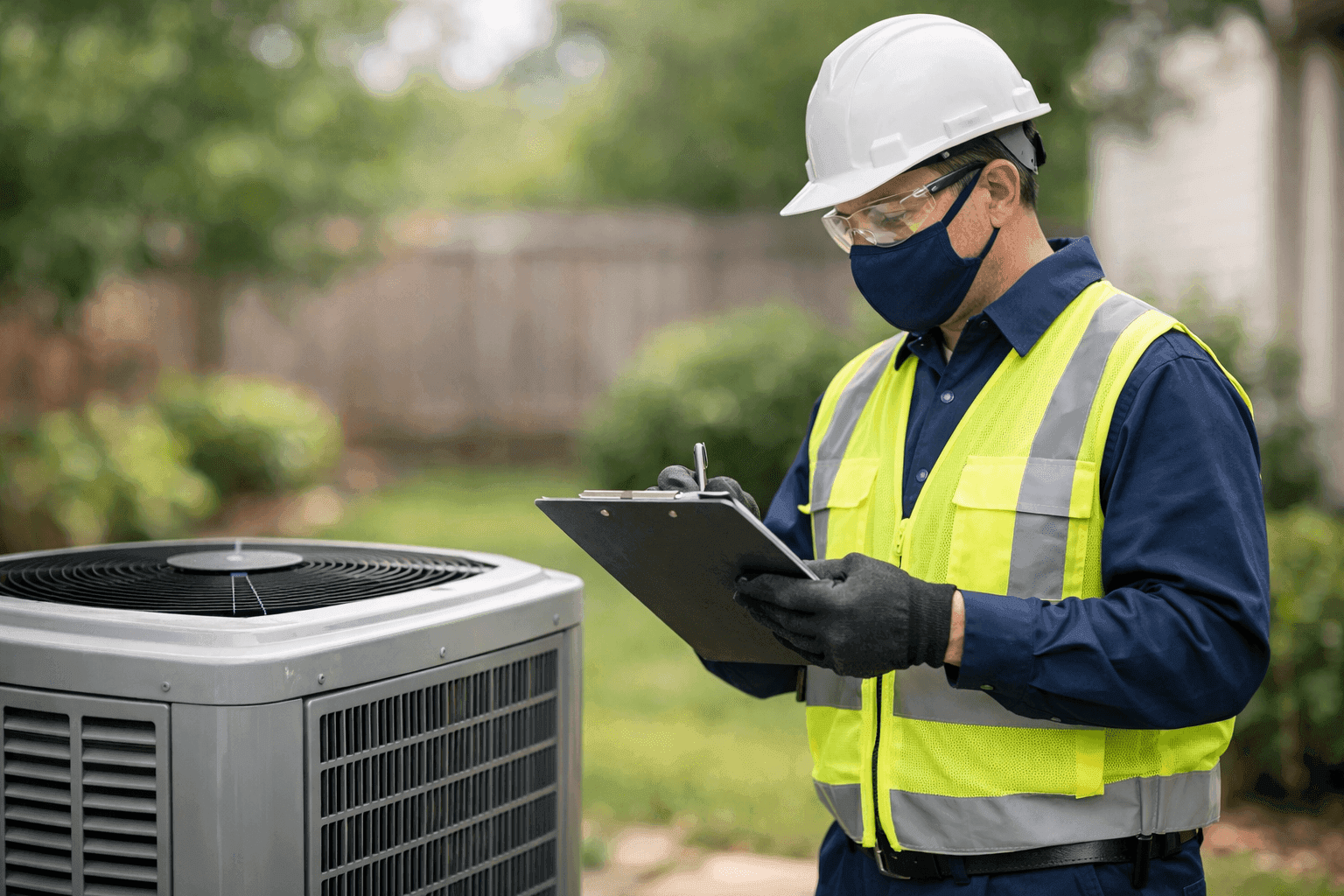
Is your HVAC system just something you notice when it breaks? You’re not alone. Most homeowners and building managers forget about their heating and cooling—until a stuffy office or a frigid living room makes it impossible to ignore. But, like a car that needs oil changes, your HVAC thrives on routine care.
Let’s break the cycle of last-minute repairs. This checklist, based on industry standards and manufacturer guidelines, will help protect your investment all year—whether you’re running a business, managing a property, or keeping your family comfortable at home.
Why Regular HVAC Maintenance Matters 🛠️
Think of your HVAC as the lungs of your building. When it’s clean, tuned, and running right, everyone breathes easier. When it’s neglected, energy bills creep up, breakdowns happen, and indoor air can turn stale or even hazardous.
- Energy savings: The U.S. Department of Energy reports that well-maintained HVAC systems can use 15–20% less energy.
- Fewer breakdowns: Routine checkups catch minor issues before they snowball into full-blown emergencies.
- Longer equipment life: Like keeping rust off a bike, regular care adds years to your system’s lifespan.
- Better air quality: Clean filters and ducts mean less dust, pollen, and mold circulating indoors.
If you’re searching for “hvac near me” or “Geothermal near you,” remember: prevention always costs less than repair.
Quick Safety Checklist Before You Start
Safety first—always.
- Shut off power to your furnace, AC, or heat pump before opening panels.
- Allow moving parts to stop completely before inspection.
- Wear gloves and a dust mask if working near filters or ductwork.
- Never touch electrical wiring or gas connections unless you’re qualified.
For anything beyond basic cleaning or filter replacement, it’s best to call a licensed technician.
Monthly DIY Tasks: The Foundation of HVAC Health
You don’t need a toolbox full of gadgets to keep your system running strong. Most maintenance is simple, quick, and makes a big impact.
Change or Clean Air Filters
Clogged filters suffocate your system. They’re like running a marathon while breathing through a straw.
- How often: Every 1–3 months, depending on pets, allergies, and usage.
- How: Slide out the old filter, note the size, and replace it with a fresh one (or clean reusable filters as directed).
Check Thermostat Settings
A faulty thermostat is like a conductor with a broken baton.
- Test heating and cooling modes.
- Replace batteries on programmable thermostats twice a year.
- Set schedules to avoid heating or cooling empty rooms.
Inspect Vents and Registers
- Make sure air can flow freely—move furniture, rugs, or curtains away.
- Wipe dust from vent covers.
Listen and Look
Odd noises, musty smells, or puddles near the unit? These early warning signs can prevent major headaches later.
Spring: Get Ready for Cooling Season
As winter fades, it’s time to prep your AC for heavy lifting.
Clear Outdoor Units
- Remove leaves, twigs, and debris from around your condenser.
- Trim shrubs at least two feet away from all sides.
- Rinse coils gently with a hose (power washers can bend fins).
Inspect Refrigerant Lines
- Look for worn insulation or oily residue—a sign of leaks.
Test System Start-Up
- Switch your thermostat to cooling.
- If it blows warm air, check the filter. Still not right? It’s time for a professional ac-maintenance visit.
Summer: Keep Cool Under Pressure
High temps put your system to the test. Stay ahead with these midsummer tips.
Clean and Clear Condensate Drains
- A clogged drain can flood your basement or shut down your AC.
- Use a cup of vinegar or a wet/dry vacuum to clear blockages.
Check for Ice on Coils
- Frost or ice means airflow or refrigerant trouble. Turn off the system and call a pro.
Monitor Humidity Levels
- If your space feels muggy, consider a dehumidifier or have your system inspected for proper sizing.
Fall: Prepare for Heating Season
As cool air returns, your heating system needs attention.
Replace or Upgrade Filters
- After a dusty summer, a fresh filter is essential.
Inspect Carbon Monoxide Detectors
- Test all alarms and replace batteries.
- If you have a gas furnace, annual safety checks are a must.
Schedule Professional Inspections
- A pro will check burners, ignition, heat exchangers, and gas lines for safe, efficient operation.
- This is also the time to review AC Maintenance and backup power prep.
Clean Air Scrubbers & Humidifiers
- Follow manufacturer instructions for cleaning or replacing pads and bulbs.
Winter: Stay Warm and Safe
Cold snaps test every part of your HVAC system.
Monitor System Performance
- Uneven heating, strange noises, or persistent cold spots? Don’t wait—address these before they become emergencies.
Keep Outdoor Vents and Exhausts Clear
- Snow and ice can block airflow and cause dangerous carbon monoxide buildup.
Check Thermostat Accuracy
- Compare with a separate room thermometer. Replace if readings don’t match.
Review Emergency Procedures
- Know how to shut off power and gas in case of trouble.
- Keep emergency contacts handy for 24-hour service needs.
When to Call a Professional HVAC Technician
DIY is great for filters and basic cleaning. But some jobs must be left to the pros.
- Annual tune-ups and safety checks
- Refrigerant handling (it’s regulated by EPA guidelines)
- Electrical or gas repairs
- Duct cleaning beyond simple vent dusting
- Major parts replacement (motors, compressors, heat exchangers)
- Hood & exhaust installation for kitchens or commercial spaces
Professional service includes airflow measurement, system calibration, and advanced diagnostics—tasks that protect your warranty and your safety.
What Happens During a Professional Maintenance Visit?
Here’s what a certified technician from Best Indy HVAC typically does:
- Inspects and lubricates all moving parts
- Checks refrigerant charge and pressure
- Cleans evaporator and condenser coils
- Tests electrical connections and measures voltage
- Calibrates thermostats and safety controls
- Examines ductwork for leaks, damage, or blockages
- Reviews system performance and offers recommendations
Manufacturers like Trane, Carrier, and Rheem recommend this level of care yearly for both home and commercial systems.
Signs of HVAC Neglect
It’s not always obvious, but these red flags mean your system needs help:
- Spiking utility bills
- Weak airflow from vents
- Strange smells (musty, burning, or chemical)
- Frequent cycling on/off
- Hot or cold spots in your space
- Dust buildup around vents
Ignoring these can lead to bigger, more expensive problems down the line.
Common Maintenance Mistakes to Avoid ⚠️
It’s easy to overlook the basics.
- Skipping filter changes
- Blocking vents with furniture
- Forgetting to clear outdoor units
- Setting thermostats too high or low
- Ignoring manufacturer guidelines
When in doubt, check your owner’s manual or schedule a maintenance call.
How Weather and Local Climate Affect Your Checklist
If you live in a region with harsh winters, frozen pipes and snow-blocked vents are serious risks. In hot, humid areas, mold and high energy use are bigger threats.
- Schedule maintenance before the most extreme season hits.
- Consider upgrades like programmable thermostats, whole-house fans, or advanced filtration for extra comfort and savings.
If you’re in the area and searching for a trusted hvac company, our hvac specialists can help you tailor your maintenance routine to local conditions and codes.
FAQs: Your HVAC Maintenance Questions Answered
Q: How often should I have my HVAC system serviced?
A: Most manufacturers and the Air Conditioning Contractors of America (ACCA) recommend professional service at least once a year—once for heating, once for cooling.
Q: How do I know if my air quality is suffering?
A: Increased allergy symptoms, dust buildup, and persistent odors are common indicators. IAQ testing and air scrubbers can help.
Q: Does maintenance affect my warranty?
A: Yes. Most warranties require proof of annual or biannual professional maintenance.
Q: Are smart thermostats worth it?
A: They can help manage energy use and catch problems early, especially for busy households and commercial spaces.
Final Tips: Building Your Year-Round Maintenance Habit
- Set reminders for filter changes and seasonal checkups.
- Keep a maintenance log—date, service, technician.
- Don’t wait for “funny noises” to act. Preventive care is always less stressful.
Your HVAC is an investment in comfort, safety, and healthy living. Protect it with regular attention, and it will return the favor—year after year.
Call Best Indy HVAC now — or reach us anytime at 855-525-5859 .