HVAC Maintenance for Landlords: Protecting Your Investment
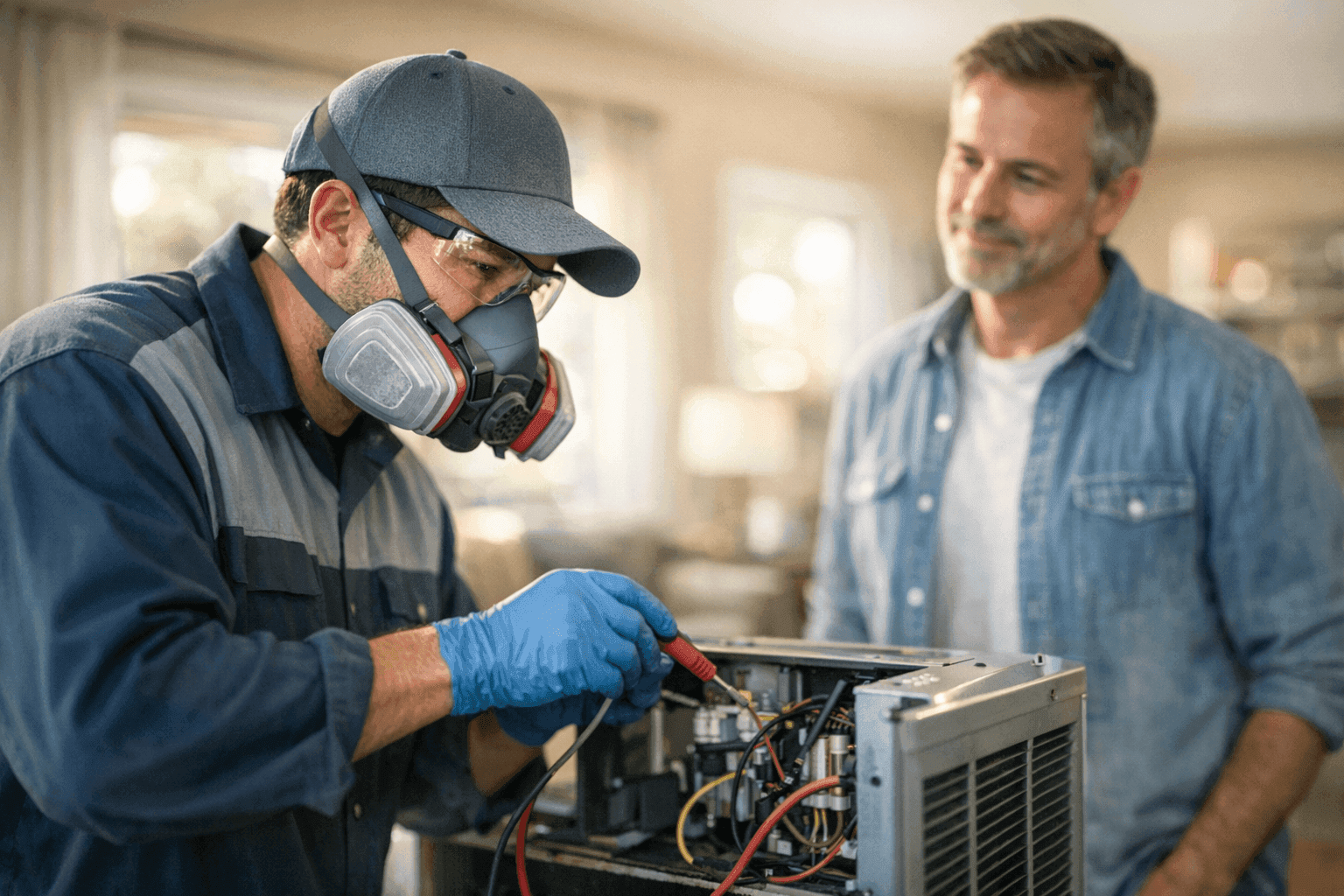
Being a landlord isn’t just about collecting rent. It’s about protecting your investment—brick by brick, vent by vent. If the HVAC system fails, tenants are upset, complaints pile up, and repair bills can skyrocket. Your property’s value—and reputation—are on the line.
At Best Indy HVAC, we know the unique challenges that landlords face. We’ve worked in countless homes and commercial spaces, helping property owners like you dodge disaster with the right maintenance strategies. Let’s dig in and make sure your HVAC system keeps your rental humming, season after season.
Why Landlords Can’t Ignore HVAC Maintenance
Think of your HVAC as the lungs of your property. When it’s healthy, everyone breathes easy. Neglect it, and you risk poor air quality, unhappy tenants, and expensive emergency calls.
Rental properties are often “out of sight, out of mind” for landlords. But HVAC neglect is a silent threat. The U.S. Department of Energy reports that regular HVAC maintenance can cut energy use by up to 15%. Letting things slide can mean sudden breakdowns, frozen pipes, or even mold—costly headaches you don’t want.
Common HVAC Issues in Rental Properties
Rental homes see more wear and tear than owner-occupied ones. Here’s what often goes wrong:
- Dirty filters clogging airflow
- Thermostats set incorrectly (or broken)
- Leaky ductwork bleeding money and comfort
- Forgotten seasonal tune-ups
- Tenants blocking vents with furniture or storage
Catching these early can mean the difference between a quick fix and a major repair.
Setting Up a Routine Maintenance Schedule
A stitch in time saves nine. Establish a regular maintenance schedule, and stick to it:
- Spring: AC tune-up, filter change, refrigerant check
- Fall: Furnace inspection, burner cleaning, thermostat test
- Quarterly: Filter changes (especially in multi-family units)
- Annually: Full system check, duct cleaning, air balancing
Schedule visits before peak heating or cooling seasons. This keeps surprises (and tenant complaints) to a minimum.
Tenant Responsibilities vs. Landlord Duties
Who should change the filter? Who schedules maintenance? It’s a common debate.
Landlords: Generally responsible for system upkeep and repairs. Local housing codes (like those in Indiana and surrounding states) require you to keep HVAC, heating, and ventilation in safe working order.
Tenants: Usually handle basic tasks, like replacing air filters or keeping vents clear. Put these rules in writing, ideally in the lease. Clear guidelines avoid finger-pointing when issues arise.
Legal Requirements and Code Compliance
You can’t cut corners here. Many states, including Indiana, follow International Property Maintenance Code (IPMC) or local ordinances. These often require:
- Maintaining heating to at least 68°F in winter
- Ensuring AC, if provided, is functional
- Immediate repair if the system fails
Penalties for non-compliance? Fines, lawsuits, or even forced relocation. Always check your local code—or ask your HVAC contractor.
Quick Safety Checklist for Rental HVAC Systems 🛠️
Safety first. Before every season, run through this checklist:
- Test carbon monoxide detectors near HVAC equipment
- Check for gas leaks or strange smells
- Inspect visible wiring and electrical connections
- Listen for odd sounds or vibrations
- Confirm that all panels and access doors are secure
If you spot anything off, don’t DIY—call a professional immediately.
DIY or Call a Pro? Knowing Your Limits
Some things you (or your handy tenant) can do:
- Change filters
- Clear debris from outdoor AC units
- Reset breakers
But for anything technical—refrigerant, electrical issues, or strange noises—bring in a pro. HVAC systems are more complex than they look, and mistakes can be dangerous.
For scheduled maintenance or repairs, see our ac-maintenance service page.
What the Pros Do on Arrival
When you book a maintenance visit, what actually happens? Professional techs:
- Inspect all components (coils, fans, belts, burners)
- Clean contacts and condensate drains
- Test thermostat accuracy and safety controls
- Check refrigerant levels and gas pressures
- Look for leaks, corrosion, and wear
A thorough checkup often takes an hour or two, but it’s worth every minute.
Preventive Care: The Landlord’s Secret Weapon
Preventive care is like flossing for your HVAC—tedious, but it keeps the system healthy for years. Benefits include:
- Lower repair costs
- Longer equipment life
- Better energy efficiency
- Happier, longer-term tenants
Tip: Keep records of every maintenance visit. If you ever need to prove diligence (in court, or to your insurance), you’ll have the paperwork ready.
Emergency Planning: When the System Fails at Midnight
It’s 2 a.m. The heat is out. Who do your tenants call?
Have a clear emergency plan:
- Provide tenants with a 24-hour emergency contact (your HVAC company or property manager)
- Outline steps: shut off system, check breakers, call for help
- Respond quickly—especially during extreme weather
Prompt action can save you thousands in repairs and prevent tenant relocation.
Communication: Keeping Tenants in the Loop 📢
Nobody likes surprises—especially not your tenants. Good communication prevents frustration:
- Notify tenants before scheduled maintenance or inspections
- Explain what to expect (noise, downtime, access needs)
- Provide tips for basic care (like filter changes)
- Share emergency contacts and procedures
Clear, respectful communication builds trust and smooths over bumps.
Documentation: Protecting Yourself and Your Property
If it’s not written down, it didn’t happen. Keep a maintenance log that includes:
- Dates of service
- What was done
- Who performed the work
- Invoices and receipts
Digital or paper—just make sure it’s organized and accessible.
Seasonal Considerations: Adapting to Weather Swings
Indiana’s climate keeps landlords on their toes. Each season brings unique challenges:
- Spring/Summer: Humidity spikes? Consider dehumidifiers and regular AC checks.
- Fall/Winter: Frozen pipes and carbon monoxide risk. Test heating systems early.
- All Year: Watch for sudden temperature swings—older systems can struggle.
Plan ahead. Don’t wait for the first cold snap or heatwave.
Common Mistakes Landlords Make
Everyone slips up. Here’s what to avoid:
- Delaying filter changes
- Skipping annual tune-ups
- Ignoring tenant complaints about temperature or air quality
- Not budgeting for emergency repairs
- Failing to document maintenance
Course correction is easy—start now.
Signs Your Rental’s HVAC Needs Attention
Tenants may not always complain directly. Watch for clues:
- High utility bills
- Inconsistent temperatures room-to-room
- Strange smells or loud noises
- Visible water leaks or rust
- Frequent tenant requests for “quick fixes”
Don’t ignore the warning signs. Early intervention is cheaper.
Costs, Disruption, and What to Expect
“How much will this cost?” It’s the question every landlord asks.
- Routine maintenance: relatively low, especially for multi-unit buildings
- Emergency repairs: can be expensive and disruptive
- Replacement: major investment, but sometimes necessary
A well-maintained system pays for itself by avoiding costly breakdowns. Schedule work during tenant-friendly hours to minimize disruption.
Working With Professional Property Managers
If you work with a property manager, clarify:
- Who schedules and approves maintenance?
- How are emergencies handled?
- How is documentation shared?
Property management associations, like the National Association of Residential Property Managers (NARPM), offer best practices you can adopt—even if you manage solo.
When to Upgrade: Modern Systems and Energy Efficiency 🌱
Old, inefficient systems drain your wallet. Newer HVACs, mini-splits, and even Geothermal near you can cut costs and attract better tenants. Upgrades may also qualify for rebates or tax credits (always check the latest local programs).
If you’re unsure about your system’s age or efficiency, book a home energy audit or HVAC inspection.
Final Thought: Protect Your Investment, Protect Your Peace of Mind
Smart HVAC care isn’t just about avoiding breakdowns. It’s about keeping your tenants happy, your property safe, and your investment strong. Take action now—don’t wait for the next emergency.
For tailored help, see our ac-maintenance team or learn more about our professional hvac services in Paterson.
Call Best Indy HVAC now — or reach us anytime at 855-525-5859 .