HVAC Noise: Diagnosing and Fixing Annoying Sounds
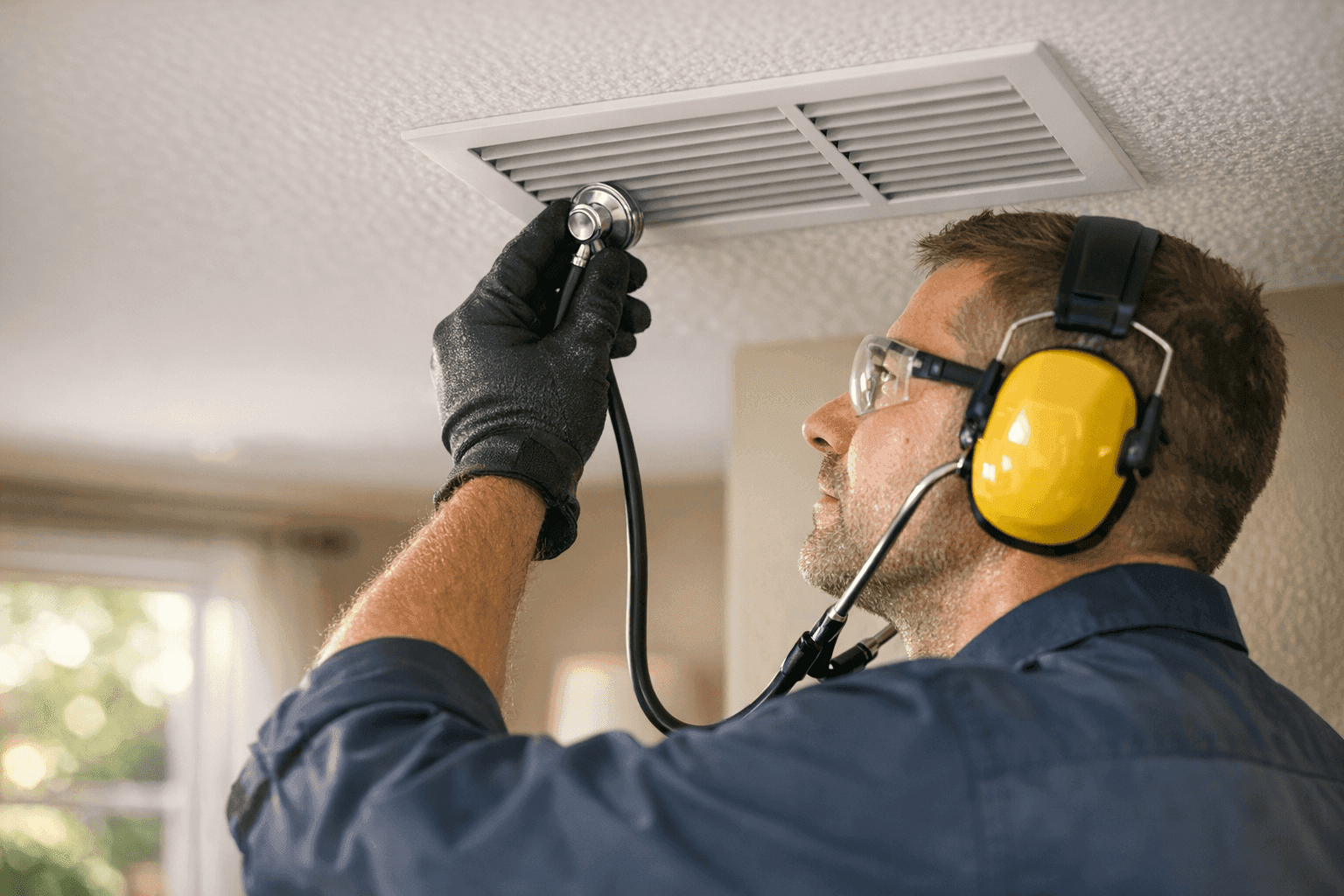
Does your HVAC system sound more like a percussion band than a quiet comfort machine? You’re not alone. Home and business owners across the country wake up to clanks, rattles, and whistles echoing through their vents. Sometimes these noises are just part of the system waking up. Other times, they’re the first sign of trouble.
At Best Indy HVAC, we know a noisy system can keep you up at night—and sometimes signal real safety risks. Here’s how to spot the difference, what you can check yourself, and when you should call in the pros.
The Most Common HVAC Noises (And What They Mean) 🔊
If your HVAC system had a voice, strange noises would be its way of asking for help. Here’s a quick breakdown of the most common sounds and what they usually mean:
- Banging: Like someone thumping on the ductwork. Often a loose part or something bigger.
- Whistling: High-pitched, like wind through a narrow gap. Usually airflow or filter problems.
- Rattling: Like marbles in a jar. Could be screws, bolts, or debris in the system.
- Buzzing: Electrical issues or a failing motor.
- Clicking: Relays turning on/off, but repeated clicking can mean trouble with controls.
- Squealing: Worn-out belts or motor bearings.
Each sound tells a story. The trick is knowing which need immediate attention.
Quick Safety Checklist Before You Investigate
Before you go poking around, take a breath. Safety first. Here’s a checklist to keep you (and your system) out of harm’s way:
- Turn off power at the breaker before opening panels.
- Never reach into moving parts or exposed wires.
- Smell gas, burning, or see sparks? Evacuate and call for emergency help.
- If you’re ever unsure, step back and let professionals handle it.
The National Fire Protection Association (NFPA) warns that HVAC electrical issues are a significant fire risk. Don’t take chances if something feels off.
Banging Noises: What’s That Thump?
Imagine your HVAC system as a car. If it starts banging, something’s loose or broken.
DIY Checks for Banging
- Inspect vents and visible ductwork for loose panels.
- Change filters if they’re dirty—blocked airflow can cause pressure jumps.
- If the banging is from inside the furnace or AC, don’t open it up yourself.
When to Call a Pro
Banging inside the main unit could mean a broken blower or a cracked heat exchanger—a serious safety risk. This is a clear “call now” situation. Best Indy HVAC techs are trained to spot dangerous faults and can safely fix the root problem.
Whistling: The Haunted House Sound
A whistling HVAC system is often just air trying to squeeze through a tight space.
DIY Checks for Whistling
- Check all vents—are any closed or blocked?
- Replace clogged filters; a dirty filter is like a stuffy nose for your system.
- Look for gaps around duct seams.
When to Call a Pro
If replacing the filter and opening vents doesn't help, there may be a duct leak or blower issue. Let a technician use specialized equipment to pinpoint the leak and restore smooth, silent airflow.
Rattling: Loose Change in the Vents
Rattling means something’s moving that shouldn’t be—or debris is caught in the system.
DIY Checks for Rattling
- Remove vent covers and look for loose screws or small objects.
- Tighten any accessible, safe-to-reach screws.
- Listen for rattling near the outdoor unit—sticks or leaves can get inside.
When to Call a Pro
If the rattling is inside the furnace, AC, or deep in the ducts, it’s time for a professional. Sometimes loose components can cause bigger, costlier damage if ignored.
Buzzing and Clicking: Electrical Warnings
Buzzing and repeated clicking are the system’s way of waving a red flag.
DIY Checks for Buzzing/Clicking
- Make sure the thermostat batteries are fresh and settings correct.
- Listen for buzzing at the breaker panel—if you hear it, call immediately.
When to Call a Pro
Most electrical sounds require a technician. Faulty wiring, failing capacitors, or relay problems can cause fires or system breakdowns. Don’t risk DIY here.
Squealing: Belts and Bearings
A squealing noise can sound like a train braking in your basement.
DIY Checks for Squealing
- Some older systems have belts you can spot through a vent. If the belt looks cracked or worn, note it for your technician.
- Lubricating parts is best left to professionals.
When to Call a Pro
If squealing is loud or constant, your system may be running on borrowed time. A snapped belt or burnt-out bearing can leave you without heat or AC.
When Is That Noise an Emergency?
Not all noises mean disaster, but some are urgent:
- Loud bangs from the furnace (could mean a delayed ignition—natural gas risk).
- Electrical buzzing or burning smells.
- Whistling paired with poor airflow (could mean a dangerous blockage).
If you’re ever in doubt, call for emergency service. At Best Indy HVAC, our 24-hour support means you never have to guess.
DIY vs. Call a Pro: Where’s the Line?
Some things you can check yourself:
- Filters
- Vents and registers
- Obvious loose screws
But deeper issues—inside the unit, with wiring, or with refrigerant—should always be handled by a pro. The U.S. Environmental Protection Agency (EPA) requires certified technicians for refrigerant work, for example. Trying to fix it yourself can void warranties and put your safety at risk.
What Pros Do On Arrival
A certified HVAC technician brings more than a toolbox. Here’s what to expect:
- Careful inspection and system diagnostics
- Use of specialized tools (like airflow meters and leak detectors)
- Checks for code compliance and safety (following standards like ASHRAE and local building codes)
- Transparent explanation of what’s wrong and your options
We also look for underlying causes—sometimes a noisy system signals a bigger problem, like undersized ductwork or poor installation. If you’re curious about advanced options, like Geothermal, we can discuss upgrades while we’re on site.
Prevention & Maintenance: Keep Things Quiet
Most HVAC noises can be prevented with regular maintenance:
- Change filters every 1–3 months, more often if you have pets or allergies.
- Schedule annual tune-ups for both heating and cooling systems.
- Have ducts cleaned and checked every few years, especially in older homes.
If you’re interested in highly efficient, whisper-quiet systems, ask us about geothermal near you or energy audits at your next appointment.
Seasonal Considerations: When Noises Change
Some noises show up only in winter or summer:
- Ice buildup on outdoor units in winter can cause loud banging.
- Expansion and contraction of metal ducts make popping sounds when temperatures swing.
- Humidity changes can lead to rattling or whistling as ducts flex.
Keep an ear out as the seasons change. If your system develops new noises, it’s worth a checkup.
Common Mistakes to Avoid
- Ignoring noises, hoping they’ll go away—they rarely do.
- Using the wrong filter size or type.
- Blocking return air vents with furniture or boxes.
- Delaying regular maintenance.
A little attention now saves money and headaches later.
Signs of Trouble: When to Act Fast
- Noises get louder or more frequent.
- Your system cycles on and off rapidly.
- You notice higher energy bills or reduced heating/cooling.
- Any sign of burning, smoke, or unusual smells.
If these pop up, call sooner rather than later. Fast action prevents small problems from becoming big repairs.
Timeline & Disruption: What to Expect
Most noise-related repairs are quick—often done in a single day, with minimal mess. For bigger issues (like a major duct repair or component replacement), plan for a few hours of work. We always strive to keep disruption to a minimum and will let you know what’s ahead before starting.
Materials & Equipment Pros Use
- Sound meters to pinpoint noise sources
- Leak detectors for refrigerant and ductwork
- Replacement parts (motors, belts, bearings)
- Code-compliant tools and safety gear
We’re equipped to handle everything from simple filter swaps to complex system overhauls.
FAQ: Your Noisy HVAC Questions Answered
Q: Can I just ignore a little rattle?
A: Small noises often get worse. Catching issues early is key.
Q: Are some noises normal?
A: A little whoosh at startup is fine. Loud, persistent, or sudden new noises are not.
Q: What’s the quietest HVAC system?
A: Modern options like geothermal are among the quietest and most efficient.
Q: Do you serve my area?
A: Yes, we offer a full range of hvac services for both residential and commercial properties.
Final Thoughts: Don’t Let Noisy HVAC Keep You Up
HVAC noises can be harmless—or the first sign of something serious. When in doubt, listen to your system and act quickly. Routine maintenance keeps things quiet and running smoothly, while professional diagnosis protects your safety and comfort.
Call Best Indy HVAC now — or reach us anytime at 855-525-5859 .