HVAC Troubleshooting: DIY Fixes & When to Call a Pro
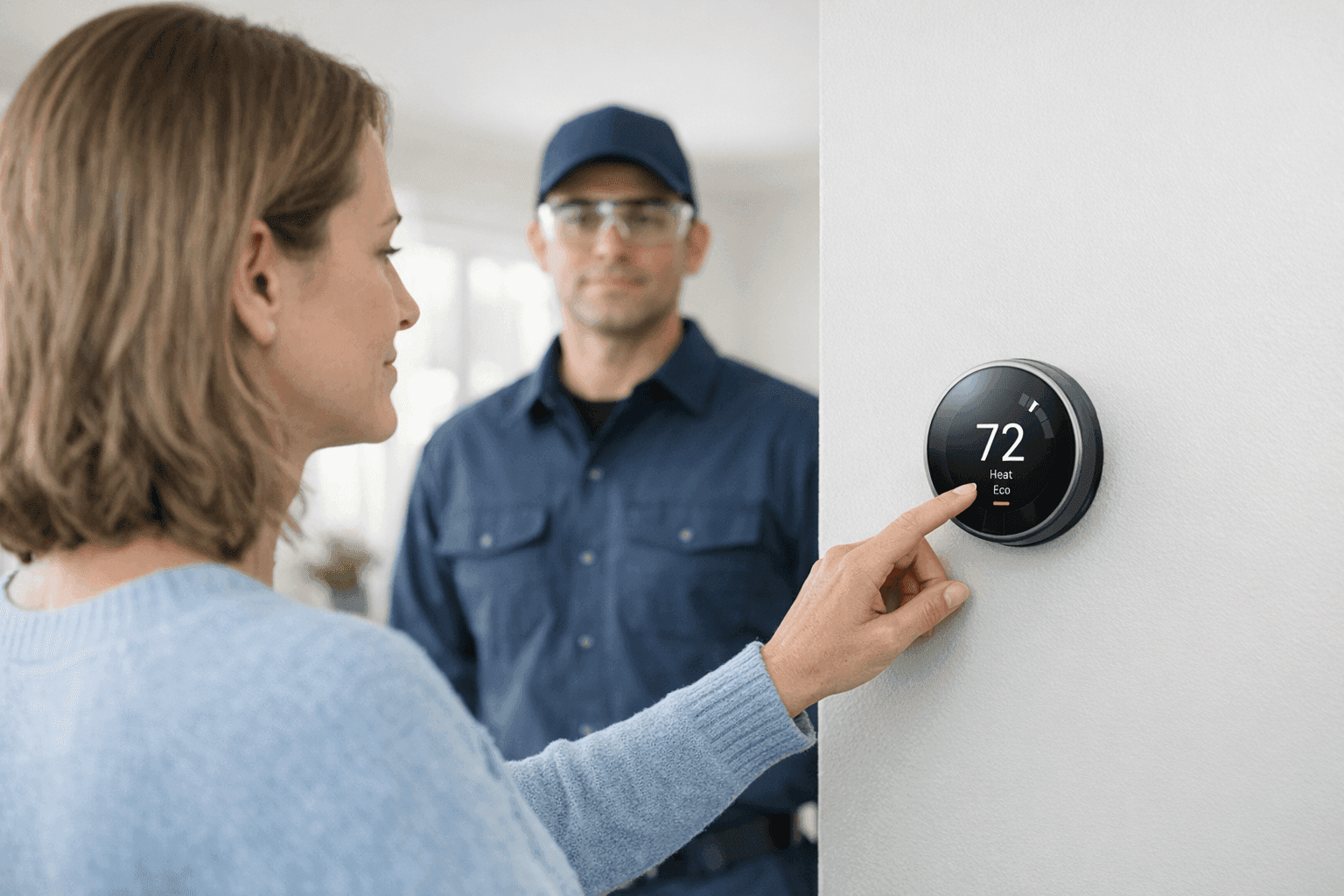
Keeping your home or business comfortable matters. When your HVAC system acts up, it’s stressful—especially on a bitter winter night or a sticky summer afternoon. At Best Indy HVAC, we know that peace of mind means knowing when you can tackle a simple fix, and when it’s time to call in the professionals.
This guide will help you recognize common HVAC issues, try a few safe at-home solutions, and understand the red flags that should have you picking up the phone. Let’s get started.
Common HVAC Problems: What Could Go Wrong?
HVAC systems are like the heartbeat of your indoor comfort. When something’s off, you feel it right away. Here are a few typical signs that trouble is brewing:
- No air from vents
- Strange noises—banging, whistling, or grinding
- Odd smells (burning, musty, or chemical)
- Uneven temperatures in different rooms
- The system won’t turn on, or won’t turn off
These symptoms can be caused by anything from a simple clogged filter to more complex electrical problems.
Quick Safety Checklist Before You Start 🛑
Before you lift the cover or flip a switch, safety comes first. Think of it like buckling your seatbelt before driving.
- Turn off power: Always use the main switch or breaker. Never work on a live system.
- Let things cool: Heating and cooling units can get extremely hot or cold.
- Keep water away: Never touch electrical parts with wet hands.
- Secure pets and kids: Keep curious hands and paws away from your workspace.
If anything feels unsafe, step away and call a professional.
DIY vs. Call a Pro: Where’s the Line?
Some fixes are as simple as changing a lightbulb. Others are like rewiring your car’s engine. The trick is knowing which is which.
Safe DIY Steps
Try these first, especially if your system suddenly stops working:
- Check the thermostat: Is it set to the right mode (heat/cool)? Are the batteries fresh?
- Inspect your filters: Dirty or clogged filters can choke airflow. Swap them out if they look dusty or gray. Learn more about filters here.
- Look at the breaker: Has a fuse tripped? Reset it if it’s safe.
- Clear vents and returns: Make sure no furniture or curtains are blocking airflow.
- Listen and sniff: Are there new noises or smells? Sometimes you can spot a loose panel or foreign object.
When to Call a Pro
If you notice any of these, don’t take chances:
- Burning or electrical smells
- Sparks or visible damage
- Water pooling around your unit
- Repeated breaker trips
- System short-cycles (starts and stops quickly)
- No improvement after basic checks
Some repairs, like refrigerant leaks, electrical issues, or anything involving internal components, require specialized tools and training. Attempting these fixes can risk your safety and void warranties.
What HVAC Pros Do When They Arrive
A technician from Best Indy HVAC will arrive with diagnostic tools, years of experience, and a well-honed troubleshooting process. Here’s a peek behind the curtain:
- Visual inspection: Looking for obvious signs of wear, leaks, or damage.
- Testing components: Checking capacitors, relays, and connections.
- Measuring airflow and temperature: Making sure everything’s balanced.
- Running code checks: Ensuring your system meets local safety standards.
Many issues are caught early through routine maintenance, preventing bigger headaches down the line.
Red Flags: When It’s an Emergency
Some HVAC problems can’t wait—like a smoke alarm, these signs mean you need help now:
- The smell of gas: Leave immediately and call your gas provider.
- Smoke or fire: Get out and call 911.
- Flooding around the unit: Risk of electrical shock or water damage.
Never try to fix these issues yourself. Safety always comes first.
The Hidden Culprit: Dirty Filters
It’s easy to forget about your HVAC filter. Out of sight, out of mind—until the air stops flowing and your system groans under the strain. Dirty filters are the root cause of many problems, from poor air quality to frozen coils.
Tip: Check your filter every month, and replace it at least every 90 days. If you have pets, allergies, or construction nearby, do it even more often.
For more on how filter choices impact your system, see our filters page.
Risks of DIY Repairs: Why “Just One More Step” Can Backfire
It’s tempting to grab a screwdriver and dig in. But HVAC systems hide high-voltage parts and delicate sensors. One wrong move can lead to:
- Electric shock
- Fire hazards
- Voiding your manufacturer’s warranty
- Costlier repairs down the road
The U.S. Consumer Product Safety Commission warns against unqualified repairs for a reason. When in doubt, let the professionals handle the tricky stuff.
Choosing a Reputable HVAC Technician
Picking the right tech isn’t about flashy ads or the lowest price. Look for:
- Proper licensing and insurance
- Background-checked staff
- Positive customer reviews
- Clear, upfront pricing
- Ongoing training and manufacturer certifications
Best Indy HVAC technicians carry all required credentials and stay up-to-date with the latest safety codes and energy standards.
Timeline & Disruption: What to Expect
Most simple fixes—like filter swaps or thermostat battery replacements—take just minutes. Bigger jobs, like AC repair or furnace troubleshooting, can last a few hours. We’ll always keep you informed about what’s happening, so surprises stay at a minimum.
Prevention & Maintenance: Your Best Defense
Think of HVAC maintenance like brushing your teeth. Small, regular efforts keep big problems at bay. Schedule:
- Seasonal tune-ups (spring for AC, fall for heating)
- Annual home energy audits
- Duct cleaning every few years
- Frequent filter checks
Regular care means fewer breakdowns, lower bills, and better indoor air quality.
What About Geothermal and Mini-Splits?
Systems like geothermal and ductless mini-splits need special attention. If you hear odd noises, see error codes, or lose heating/cooling from these units, call a technician who’s trained in that technology. Don’t risk damaging complex components or voiding system warranties.
Need “Geothermal near you”? Our specialists are trained to handle the latest systems.
Frequently Asked Questions
Q: How often should I check my HVAC filter?
A: Once a month is best. Replace it every 1–3 months, or sooner if it looks dirty.
Q: Why is my AC running but not cooling?
A: Could be a dirty filter, thermostat issue, or low refrigerant. Try the filter first—if that doesn’t help, call a pro.
Q: Can I clean my ducts myself?
A: Light dusting around vents is fine, but deep cleaning should be done by trained technicians to avoid damaging ductwork.
Q: What’s the difference between regular and emergency service?
A: Emergency service is for urgent issues like no heat in winter, flooding, or dangerous smells. Regular service covers routine maintenance and non-urgent repairs.
Seasonal Tips: Stay Ahead of the Weather
- Spring: Replace filters, check your AC before the heat hits.
- Summer: Keep outdoor units clear of grass and debris.
- Fall: Test your thermostat, schedule heating maintenance.
- Winter: Watch for ice buildup and unusual noises.
Every season brings its own challenges—stay one step ahead for year-round comfort.
Common Mistakes to Avoid
- Ignoring odd noises or smells
- Waiting too long to change filters
- Blocking vents with furniture
- Attempting risky DIY repairs
- Skipping annual maintenance
These small missteps can snowball into bigger headaches.
HVAC Troubleshooting Timeline
- Notice the problem
- Try safe DIY checks (thermostat, filter, breaker)
- If not resolved, observe for red flags
- Call a professional for assessment
Sometimes a fix is as easy as flipping a switch. Other times, expert hands are the only answer.
Materials and Equipment To Keep Handy
- Extra filters (the right size for your system)
- Fresh thermostat batteries
- Flashlight
- Screwdriver (for vent covers)
- Notepad for jotting down issues
A little preparation goes a long way.
How to Find Reliable HVAC Services
Looking for a trustworthy hvac company? Choose teams with real experience and a reputation for quality work. Ask questions, check credentials, and don’t be afraid to get a second opinion.
When your HVAC system falters, you don’t have to face it alone. Basic troubleshooting can solve small problems, but your safety is always the top priority. For stubborn issues, emergencies, or peace of mind, call the experts who care about your comfort.
Call Best Indy HVAC now — or reach us anytime at 855-525-5859 .