HVAC Zoning Systems: Custom Comfort Room by Room
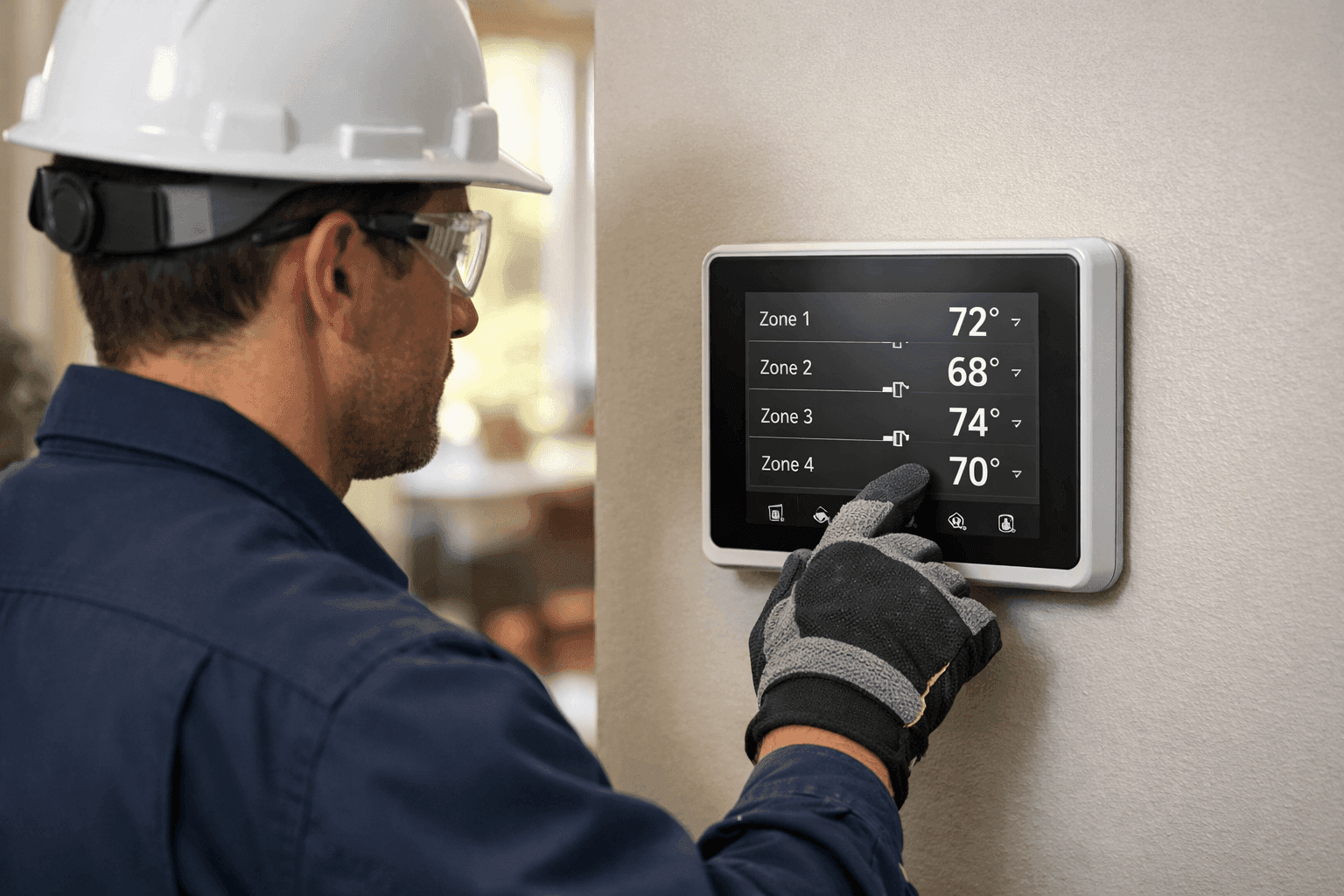
Is your family playing thermostat tug-of-war? Maybe the upstairs feels like a sauna while the basement shivers. Uneven comfort isn't just annoying—it can drive up your bills and wear out your HVAC. At Best Indy HVAC, we see this every day. And we know there’s a better way.
That’s where HVAC zoning steps in. Think of zoning like putting each room on its own comfort dial. Each space gets exactly what it needs—no more, no less. Let’s break down how it works, the comfort it brings, and why more homeowners and businesses are zoning their spaces.
What Is HVAC Zoning? A Room-By-Room Approach
HVAC zoning divides your building into “zones”—each with its own thermostat and controls. Instead of treating your house or business like one giant box, your system delivers the right amount of heating or cooling to each area.
Imagine lights in your house. You don’t flip a single switch and light up every room. Zoning gives you similar control, but for comfort.
How Zoning Systems Work—The Basics
Zoning uses a network of electronic dampers inside your ductwork. These dampers open or close based on signals from individual thermostats in each zone. When a zone wants heating or cooling, only that area gets airflow. The rest stay untouched.
A central control panel acts like a conductor, making sure everything runs smoothly and efficiently. Whether you’re using a traditional system or something high-tech like Geothermal near you, zoning adapts.
Types of Zoning Systems You’ll See 🛠️
- Ducted Systems: Most common for homes with central air. Dampers are tucked inside the ducts.
- Ductless Mini-Splits: Each indoor unit acts as its own zone, perfect for additions or remodels.
- Smart Zoning: Wi-Fi thermostats and phone controls let you tweak comfort from anywhere.
Not sure what fits your building? An energy audit can help you decide. (And yes, we offer those too.)
Why Zoning? The Benefits Are Real
- No more hot/cold spots: Say goodbye to the freezing den and sweltering bonus room.
- Lower energy bills: You’re not heating or cooling empty rooms.
- Longer HVAC life: Less strain means fewer breakdowns.
- Custom comfort: Everyone gets their own “just right.”
According to the U.S. Department of Energy, zoning can cut energy use by up to 30% when paired with programmable thermostats.
Ideal Applications: Where Zoning Shines
- Two-story homes with temperature swings between floors.
- Finished basements, sunrooms, or additions.
- Offices with conference rooms that get stuffy fast.
- Homes with large windows or varying sun exposure.
- Families with different comfort needs.
If you’ve ever heard “it’s too cold in here” and “it’s too hot in here” in the same day, zoning is for you.
What’s the Installation Process Like?
- Assessment: A technician evaluates your space, ductwork, and comfort needs.
- Design: Zones are mapped based on use—bedrooms, living areas, offices, etc.
- Dampers & Controls: Motorized dampers are installed in ducts. Thermostats go in each zone.
- Wiring & Setup: The control panel ties everything together.
- Testing: Each zone is calibrated for smooth operation.
Expect a day or two for most homes. Larger buildings might take longer. Disruption is minimal, especially if your ducts are easy to access.
DIY Zoning vs. Professional Install
Some gadgets promise to “zone” with vent covers or boosters. Be careful—these band-aids can throw off system balance, leading to higher bills or even damage.
Professional zoning meets safety standards (like ACCA Manual Z and local code). The right pro ensures your airflow, static pressure, and controls are just right.
Common Zoning Issues (And How to Avoid Them)
- Stuck dampers: Usually a wiring or motor issue.
- Thermostat confusion: Wrong settings can send mixed signals.
- Airflow problems: Ducts not sized for zoning can cause noise or poor performance.
- Short cycling: If a zone is too small for your system’s minimum run time.
Regular maintenance helps catch these early. And if you notice strange noises or uneven temps, call in an HVAC specialist.
Maintaining Your Zoning System: Tips for Longevity 🧰
- Change filters regularly. Clogged filters strain the system.
- Keep vents and returns clear—don’t block them with furniture.
- Have your system inspected yearly. A pro checks dampers, wiring, and thermostats.
- Update control settings with seasonal changes.
The National Air Duct Cleaners Association (NADCA) recommends professional duct cleaning every 3–5 years for best performance.
Zoning With Geothermal and Modern Systems
Geothermal heat pumps pair beautifully with zoning. These systems run efficiently at variable speeds, making them a perfect match for rooms with different needs. If you’re searching for "Geothermal near you," zoning can multiply the benefits.
Looking for geothermal or Geothermal? Zoning adds another layer of efficiency.
Energy Savings: The Dollars and Sense
Think of zoning as closing doors to rooms you’re not using—only smarter. By conditioning just the spaces you need, you can see real savings on your energy bill. Even the EPA highlights programmable thermostats and zoning as top ways to cut consumption.
Zoning in Commercial Spaces
Offices, retail, restaurants—each area sees different traffic and needs. Zoning lets you keep the dining room cozy while the kitchen stays cool. It’s a smart move for employee comfort and customer satisfaction.
Safety Checklist: What To Watch For
- Make sure smoke detectors aren’t blocked by new ducts or dampers.
- Use only UL-listed parts and follow local building codes.
- Never seal off or close more than 30% of your vents—too much restriction can damage your system.
- If you smell burning or hear loud rattles, shut down the system and call for help.
When To Consider Zoning
- Renovating, finishing new spaces, or adding on to your property.
- Dealing with persistent hot/cold spots.
- If you want to maximize the return on a new HVAC or geothermal system.
- You’re tired of thermostat arguments at home or in the office.
Frequently Asked Questions
Will zoning work with my old system?
Often, yes—especially if your ducts are accessible. But some older systems may need upgrades.
Is it worth zoning a small house?
If you have rooms with very different sun exposure, or parts of your home are rarely used, yes.
How many zones should I have?
Most homes benefit from 2–4 zones, but it depends on layout and use.
Real-World Results: What Homeowners Say
Clients tell us they sleep better, argue less, and pay less on their utility bills. One family in a split-level home finally solved their freezing basement problem. Another business kept their server room cool without chilling their entire office.
Results vary, but almost everyone says they’d do it again.
Ready for Room-By-Room Comfort?
Zoning isn’t just a buzzword—it’s a smarter, more flexible way to manage comfort and costs. If you’re planning an upgrade, exploring geothermal, or just tired of uneven temps, let’s talk. The Best Indy HVAC team can help you design a system that fits your life.
Call Best Indy HVAC now — or reach us anytime at 855-525-5859 .