Mini-Split Systems Explained: Pros, Cons & Installation Tips
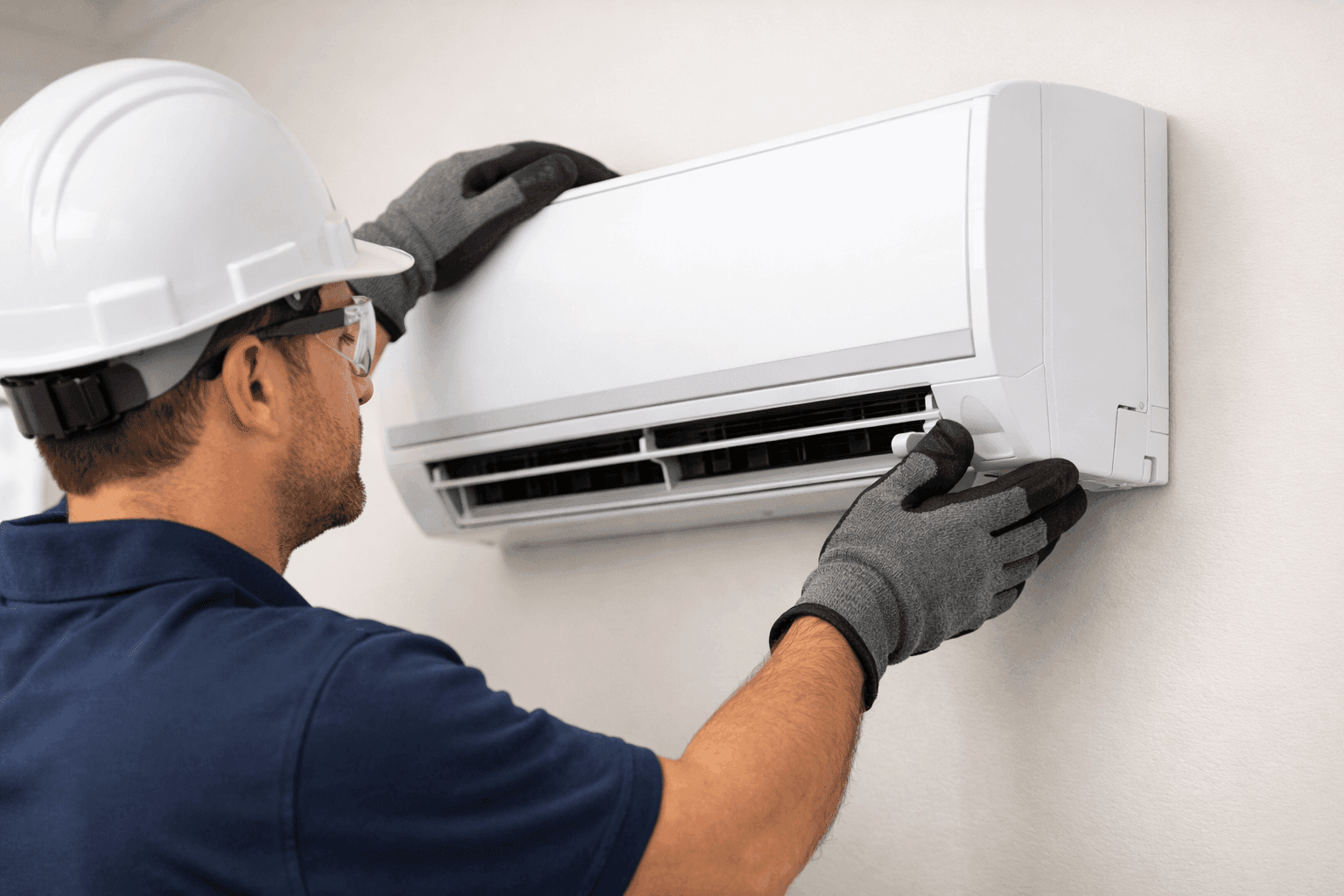
Is your upstairs bedroom always hotter than the rest of the house? Maybe that back office, sunroom, or new addition just never seems comfortable. You're not alone—many homeowners in modern and older homes face the same puzzle. That's where mini-split systems step in, offering targeted comfort without the hassle of ductwork.
At Best Indy HVAC, we know the ins and outs of these smart, efficient systems. Whether you're renovating, adding space, or seeking better control over your heating and cooling bills, this guide will help you decide if a mini-split fits your needs.
What Is a Mini-Split System? 🌬️
A mini-split is a type of ductless HVAC system. Think of it as the Swiss Army knife of home comfort—small, adaptable, and surprisingly powerful. Unlike traditional setups that rely on bulky ducts, a mini-split uses a compact outdoor compressor and one or more indoor air handlers, connected by thin refrigerant lines.
You get the power to heat or cool specific rooms, called “zones.” No more fighting over the thermostat or blasting the whole house just to fix one warm spot. The technology isn’t new—it’s been trusted in Europe and Asia for decades—but its popularity in the U.S. has soared alongside demand for energy-saving solutions.
Advantages and Disadvantages
Every system has its trade-offs. Mini-splits are no different. Here’s how the scales tip:
Pros:
- Energy Savings: No ducts means no leaky ductwork losing up to 30% of your cooled or heated air (according to the U.S. Department of Energy).
- Flexible Zoning: Customize comfort for each room or zone. Keep the nursery cooler, the den warmer, or the garage just right for weekend projects.
- Installation Versatility: Great for homes without ducts, additions, converted attics, or even commercial offices.
- Quiet Operation: Most indoor units hum quietly, often quieter than a modern refrigerator.
Cons:
- Upfront Cost: Mini-splits cost more than window units or basic central AC upfront, especially for multiple zones.
- Aesthetics: Indoor units are visible on walls or ceilings. Not everyone loves the look, but newer designs are sleeker than ever.
- Regular Maintenance Required: Filters need cleaning or changing, and annual professional checkups keep things running smoothly.
Ideal Uses for Mini-Splits
Where do mini-splits shine brightest? Here are the top scenarios:
- Room Additions & Remodels: Skip the hassle of extending ductwork. A mini-split brings instant comfort to sunrooms, garages, or new wings.
- Zoned Comfort: Perfect for families with different temperature needs—or for businesses with rooms that see different levels of activity or sunlight.
- Older Homes: Keep your historic home’s charm without tearing into walls for ducts.
- Offices, Studios & Shops: Control the climate in individual workspaces without heating or cooling unused areas.
- Supplemental Heating or Cooling: Boost comfort in problem rooms even if you already have central HVAC.
Installation Process Overview 🛠️
Curious what it takes to install a mini-split? Here’s a quick roadmap:
- Site Assessment: A qualified HVAC technician evaluates your space, recommends the right capacity, and pinpoints the best locations for indoor and outdoor units.
- Mounting Indoor Units: Wall, floor, or ceiling-mounted—each is chosen for optimal airflow and aesthetics.
- Installing the Outdoor Unit: The compressor sits outside, typically on a pad or wall bracket.
- Connecting Lines: Slim refrigerant and electrical lines run through a small hole in the wall. No need to carve up drywall or ceilings.
- Charging & Testing: The system is vacuumed, charged, and tested for leaks and performance.
- Final Walkthrough: The installer reviews system operation, maintenance basics, and answers questions.
Professional installation is key—incorrect sizing or poor placement can lead to inefficiency or early breakdowns. For those in commercial spaces, local codes and safety guidelines (per the International Mechanical Code) must also be followed.
If you’re curious about what installation looks like in your area, check out our HVAC Installation and AC Installation services.
Maintenance and Upkeep
Mini-splits are tough, but they need love to stay efficient. Here’s how to keep yours humming:
- Clean or Replace Filters Regularly: Dust and debris clog filters, block airflow, and stress the system. Most filters are washable—check every 1–2 months during heavy use.
- Wipe Down Indoor Units: Dust the vents and housing to prevent build-up.
- Check Outdoor Units: Clear away leaves, dirt, and snow. Keep at least two feet of clearance all around.
- Schedule Annual Service: A pro should inspect refrigerant levels, electrical connections, and system performance once a year. This helps catch small problems before they snowball.
- Watch for Signs of Trouble: Sudden noises, odd smells, or a dip in performance? Call an HVAC specialist before it gets worse.
Quick Safety Checklist
- Make sure electrical connections are secure and protected from moisture.
- Never block airflow from indoor or outdoor units.
- Use only manufacturer-approved parts for replacements.
- Always follow local building codes—permits may be required for installation.
DIY vs. Call a Pro
Installing a mini-split isn’t like setting up a window fan. Refrigerant handling, electrical wiring, and precise placement all matter. DIY kits exist, but mistakes can void warranties, risk safety, and lead to costly repairs.
A licensed HVAC contractor guarantees the job is done right, up to code, and with peace of mind. Our team has installed systems in everything from historic homes to modern offices—each with its own quirks.
Signs of Trouble: When to Call for Help
- Weak airflow or uneven temperatures in zones
- Strange noises—rattling, hissing, or buzzing
- Water leaks from the indoor unit
- Error codes flashing on the remote or display
- Unresponsive controls or poor cooling/heating performance
Addressing issues early often means a quick fix rather than a pricey repair down the road.
Costs & Time Factors
Mini-split installation costs depend on:
- Number of zones (rooms or spaces)
- System size (measured in BTUs)
- Brand and efficiency rating
- Complexity of the install (distance between units, wall type, etc.)
Most single-zone systems are installed in less than a day. Multi-zone setups may take a bit longer, especially in larger homes or businesses.
Don’t forget to ask about rebates or incentives—many utilities and state programs offer rewards for upgrading to energy-efficient mini-splits. ENERGY STAR and local energy offices are good resources.
Timeline & Disruption: What to Expect
- Assessment: 1–2 hours for a walk-through and estimate.
- Installation: 1 day for most single-zone projects; up to 2–3 days for complex or multi-zone systems.
- Minimal Mess: No demolition. Just a small hole for the lines—usually patched and sealed before the technician leaves.
- Noise: Some drilling and outdoor work, but most installation is quick and tidy.
Common Mistakes to Avoid
- Under- or Oversizing: Too small and your system strains; too big and it cycles inefficiently. Proper sizing is crucial.
- Blocking Airflow: Don’t cover or obstruct units with furniture or drapes.
- Skipping Maintenance: Dirty filters and neglected coils lead to breakdowns and higher bills.
- Wrong Placement: Indoor units should avoid direct sun or heat sources.
Frequently Asked Questions
Are mini-splits efficient in cold climates?
Yes! Modern models provide reliable heating even when temps drop below freezing, especially if they carry a high HSPF (Heating Seasonal Performance Factor) rating.
Can I control my mini-split remotely?
Many systems include Wi-Fi controls or integrate with smart thermostats for remote access via phone or tablet.
Do they work in commercial spaces?
Absolutely. Offices, shops, and restaurants use mini-splits for flexible, targeted comfort.
How often should I clean the filters?
Check monthly, especially during peak use. Clean or replace as needed.
Can mini-splits improve indoor air quality?
Yes. Many models offer advanced filtration, and regular cleaning helps reduce allergens and dust.
Seasonal Considerations
- Spring & Fall: Prime times for maintenance checks. Swap out or wash filters.
- Summer: Watch for overuse on the hottest days—keep outdoor units clear of debris.
- Winter: Ensure outdoor units are free from snow and ice buildup.
Prevention & Maintenance: Longevity Tips
- Invest in annual maintenance from a certified HVAC technician.
- Use surge protection for sensitive electronics within the mini-split system.
- Regularly inspect for signs of wear or corrosion on outdoor units.
Proper care extends the life of your investment and keeps your energy bills in check.
Thinking About Mini-Splits for Your Home or Business?
Whether you need a single-zone fix or a whole-building solution, mini-splits can deliver comfort, savings, and control. If you’re weighing options, our team is always happy to answer questions. We’ve helped homeowners and businesses throughout the region enjoy efficient, reliable comfort—no matter the weather.
Looking for more info or ready to schedule? Our hvac services page is a great place to learn what’s possible for your property.
Call Best Indy HVAC now — or reach us anytime at 855-525-5859 .