Ductless Mini-Splits vs. Central Air: Pros, Cons, and Cost
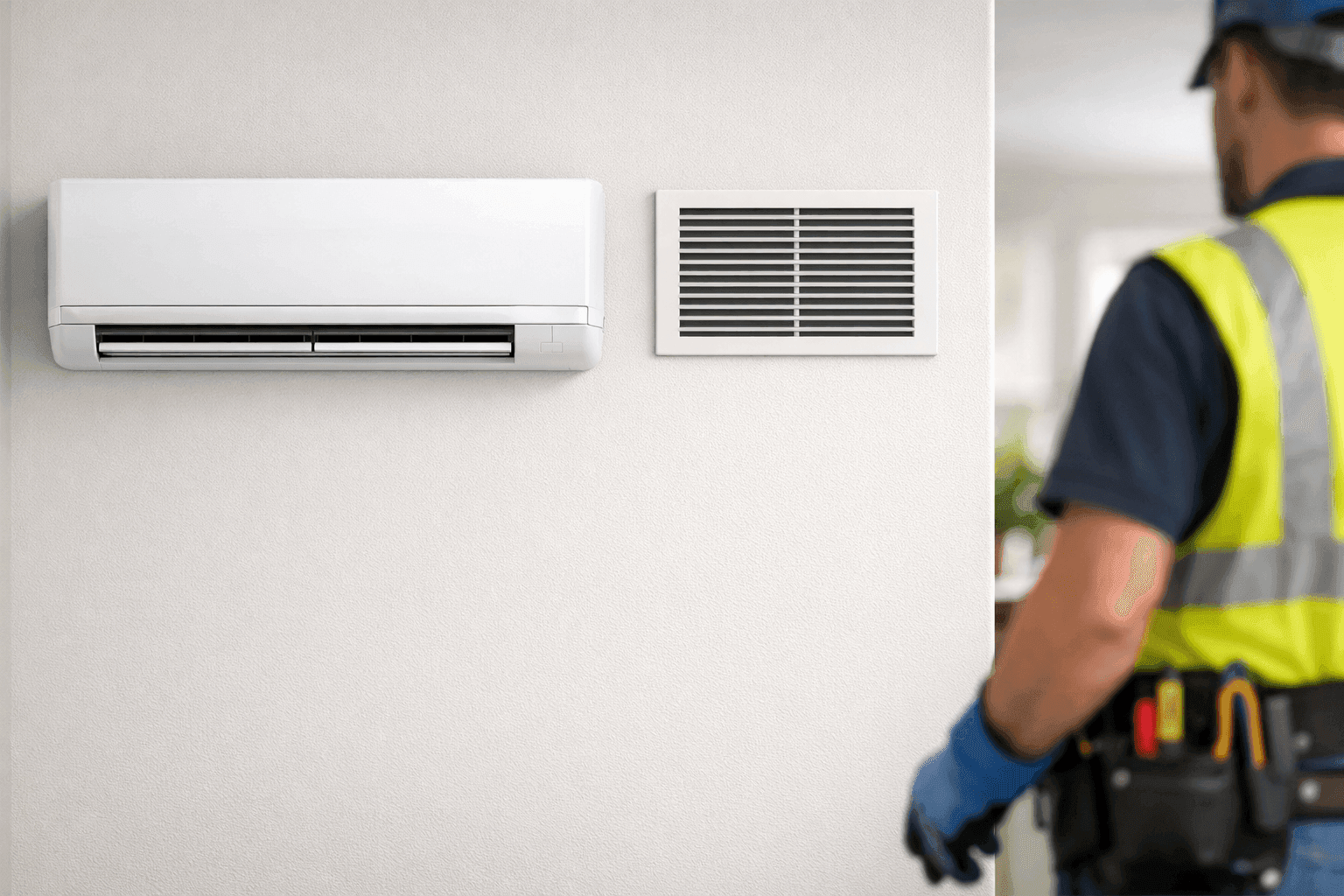
Choosing the right cooling system can feel like picking between a pickup truck and a sports car. Both get you where you need to go, but how you get there—and how much you pay along the way—makes all the difference. At Best Indy HVAC, we help homeowners and businesses find comfort without surprises.
If you're weighing the benefits of ductless mini-splits and central air, you’re not alone. The stakes are high: energy bills, indoor comfort, and even property value can hang in the balance. This guide slices through the noise, offering straight facts and real-world advice, so you can decide with confidence.
How Each System Works
Ductless Mini-Splits: Flexible Comfort
A ductless mini-split is like the Swiss Army knife of cooling and heating. It has two main pieces—a small outdoor unit and one or more indoor units, mounted directly to your walls. No ductwork needed. Each indoor unit cools (or heats) a specific room or area, letting you set the temperature wherever you want.
Mini-splits are powered by inverter-driven compressors and connected by refrigerant lines. They're controlled by remotes or wall thermostats, and installation takes just a few hours per indoor unit.
Central Air Conditioning: Whole-Home Cooling
Central air is the classic, all-in-one solution. It uses a large outdoor compressor and an indoor air handler, pushing cooled air through a network of ducts hidden behind your walls and ceilings. One thermostat controls the temperature for the entire home or business.
Central air can also tie into your existing furnace or air handler, using the same ducts for both heating and cooling. Installation is more involved—especially if your building doesn't already have ductwork.
Cost Comparison 💸
Let’s get to the numbers. Price shouldn’t be the only factor, but it’s often the first question.
- Mini-Splits: The average cost for a single-zone mini-split (one room) typically ranges from $3,000–$5,000 installed. Multi-zone systems (covering several rooms) often run $6,000–$15,000, depending on the number of zones and complexity.
- Central Air: Installing central air in a home with existing ducts typically costs $4,500–$8,000. If you need new ductwork, the total can jump to $10,000–$20,000 or more for large or complex homes.
Other Costs to Consider:
- Electrical Upgrades: Both systems may require electrical work.
- Duct Repair: Old ductwork can leak air—wasting money and electricity.
- Maintenance: Mini-splits need regular filter cleaning; central air requires duct cleaning and seasonal tune-ups.
Pros & Cons
Mini-Splits
Pros:
- No ducts needed—ideal for older homes, additions, or rooms without ductwork.
- Zoned control: Set different temps in different rooms.
- High efficiency: Less energy lost, especially in smaller spaces.
- Quiet operation, both indoors and out.
- Quick install—often no major renovation.
Cons:
- Indoor units are visible on the wall.
- Higher upfront cost per room compared to central air (for many rooms).
- May not suit open floor plans or large, connected spaces.
Central Air
Pros:
- Invisible: Everything but vents is hidden.
- One thermostat, whole-home coverage.
- Can work with existing furnace/ducts.
- Lower upfront cost for whole-home cooling (if ductwork is present).
Cons:
- Ducts can leak—up to 30% of air can be lost in older systems (U.S. Department of Energy).
- Less flexible: No zoned temperature control without expensive add-ons.
- Larger install job, especially if ducts are needed.
- Requires regular duct cleaning to maintain air quality.
Typical Use Cases
When Mini-Splits Shine
- Homes or offices without ductwork.
- Additions, garages, or sunrooms.
- Historic buildings (preserves architectural details).
- Multi-family homes or apartments.
- Server rooms or spaces with special cooling needs.
When Central Air Wins
- Newer homes with good ductwork.
- Large, open floor plans.
- Businesses needing unified temperature control.
- Buildings with existing forced-air heating.
Efficiency: Energy Use and Savings
Mini-splits often have higher SEER (Seasonal Energy Efficiency Ratio) ratings than central air systems. That means more cooling for each dollar spent on electricity. According to ENERGY STAR, ductless systems can save up to 30% compared to traditional central air—especially when you only cool occupied rooms.
Central air’s efficiency depends on duct quality. Poorly sealed ducts can waste a ton of energy. If your ducts are in good shape, central air can also be efficient, but real-world savings often depend on regular maintenance and professional installation.
Installation: What to Expect
Mini-Splits
- Installers mount indoor units high on walls, run refrigerant and drain lines through a small hole, and connect to the outdoor unit.
- No need to tear up walls or ceilings.
- Most jobs take 1–2 days.
Central Air
- If ducts are present, installation usually takes 1–3 days.
- If ducts are needed, expect a week or more—plus drywall repairs.
- Pros must size the system to your building to meet local code and safety standards (reference: ACCA Manual J and city code).
Flexibility: Adapting to Your Needs
Mini-splits offer room-by-room customization. Want your bedroom at 68°F and your living room at 75°F? No problem. They’re great for shifting needs—like turning off cooling in unused rooms.
Central air is one-size-fits-all: every room gets the same air, unless you invest in zoning dampers and controls, which add complexity and cost.
Maintenance: Keeping It Running
- Mini-Splits: Clean filters every month or two; have a pro check refrigerant and electrical connections yearly.
- Central Air: Replace filters monthly. Ducts need cleaning every 3–5 years. Annual tune-ups catch issues early.
Regular maintenance prevents breakdowns and keeps energy use low. The U.S. Environmental Protection Agency (EPA) recommends servicing HVAC systems annually.
Indoor Air Quality: Breathing Easier
Mini-splits have built-in filters and dehumidifiers. They don’t collect dust in ductwork, so they’re a solid choice for allergy sufferers.
Central air can improve air quality if you use high-MERV filters and keep ducts clean, but dirty ducts can spread dust, mold, or allergens throughout the building.
For either system, consider add-ons like Mini-Splits, dehumidifiers, or humidifiers for extra protection.
Timeline & Disruption: How Long Will This Take?
- Mini-Splits: Fast, low-mess install. Most jobs done in a day or two.
- Central Air: Fast with existing ducts, but new ducts mean more dust, noise, and time.
Plan ahead if you’re upgrading before summer or winter—schedules fill up fast.
Common Mistakes to Avoid
- Undersizing or oversizing the system—leads to poor comfort and high bills.
- DIY installations—can cause refrigerant leaks, void warranties, and violate code.
- Ignoring maintenance—shortens the lifespan of any HVAC system.
FAQ: Quick Answers
Q: Can mini-splits heat as well as cool?
A: Yes! Most are heat pumps, working in both summer and winter.
Q: Will central air increase my home’s value?
A: Usually, yes—especially in regions where air conditioning is standard.
Q: Are rebates available?
A: Yes—check ENERGY STAR, local utility companies, and state energy programs for incentives.
Which Is Right for You?
If you crave room-by-room control, have a space without ducts, or want high efficiency, mini-splits are tough to beat. For large homes with good ductwork or businesses needing even cooling, central air may save you money upfront and keep things simple.
The best choice depends on your building, budget, and comfort priorities. Every space is unique. Our team at Best Indy HVAC can help you weigh your options and create a plan that fits.
If you’re looking for more insight or have questions about HVAC Installation, our seasoned technicians are just a call away.
Call Best Indy HVAC now — or reach us anytime at 855-525-5859 .