Pet Owners: HVAC Tips for Cleaner, Healthier Homes
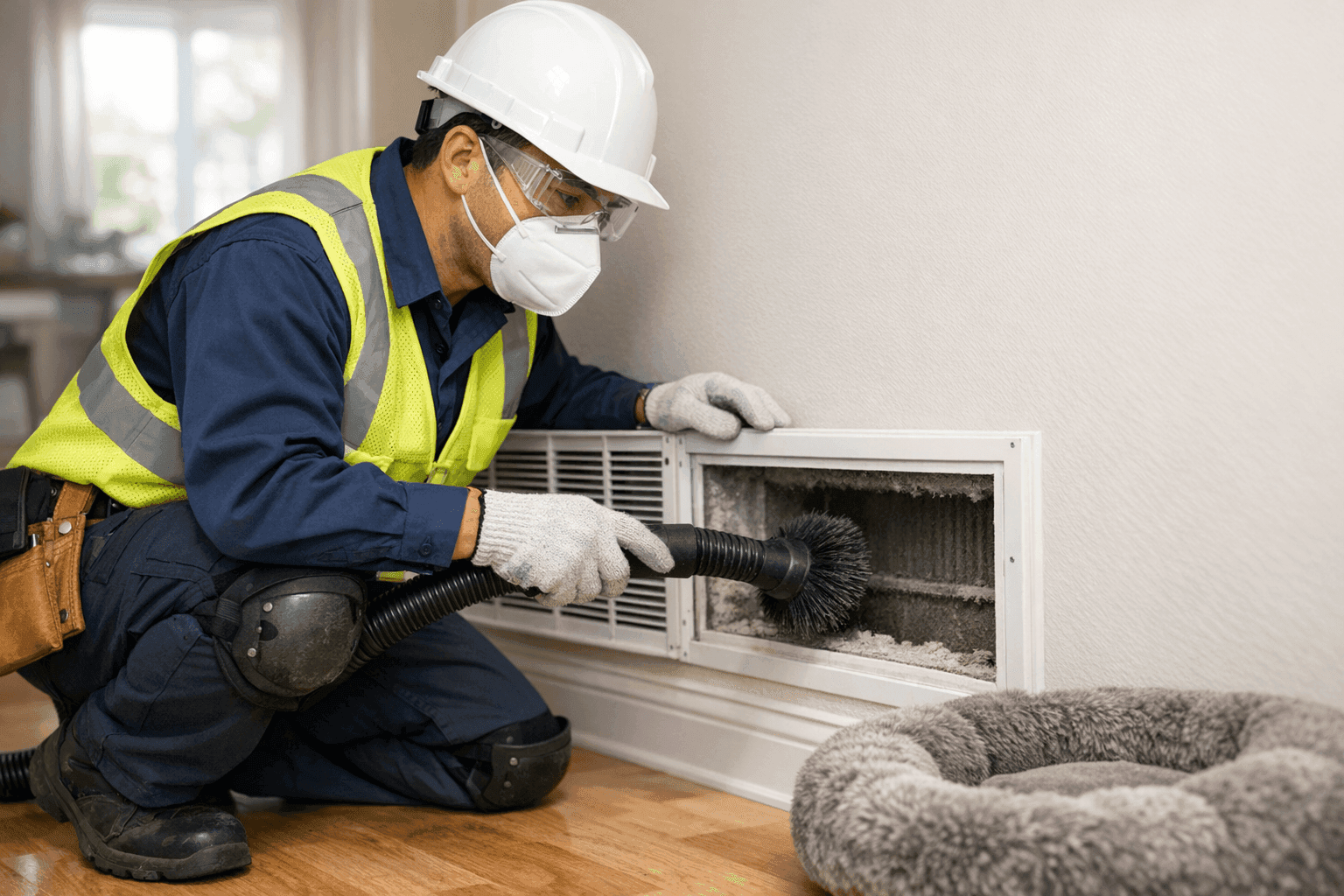
Everyone loves a wagging tail at the door or a purr in the lap. But as a pet owner, you also know fur and dander don’t just stick to your couch—they drift through your air. That’s where your HVAC comes in. At Best Indy HVAC, we help homeowners breathe easier, even with furry friends in the house.
Left unchecked, pet hair and allergens can gum up your system and lower the air quality where it matters most—right inside your home. Let’s dig into how you can keep your living space cleaner, your pets happier, and your HVAC humming year-round.
The Hidden Challenges Pets Create for Your HVAC
Pets are part of the family, but their presence adds an invisible layer of challenge to your HVAC. Fur, dander, and even litter dust can sneak into vents and filters. Like sand in your shoes after a day at the beach, these particles get everywhere.
- Fur clogs filters fast.
- Dander floats in the air, triggering allergies.
- Pet odors linger in ductwork.
- Hair can block vents and registers, making rooms stuffy.
According to the American Lung Association, indoor air can be more polluted than outdoor air—especially in homes with pets. That’s why it’s critical to stay ahead with smart HVAC care.
Maintenance Checklist: What Every Pet Owner Should Do
A regular routine keeps your system in top shape and your air fresh. Here’s a pet-owner’s checklist:
- Change filters every 1-2 months. Don’t wait for the seasons to change—pet hair means faster buildup.
- Vacuum floor and vents weekly. Use a brush attachment for registers and returns.
- Schedule annual duct cleaning. Especially if you notice musty smells or visible dust when the HVAC runs.
- Brush your pets regularly. Less loose fur means less in your air.
- Check for chewed or clawed wires. Curious pets can damage HVAC components.
Upgrading Your Filter: Simple Change, Big Results 🐾
Not all filters are created equal. For homes with pets, high-efficiency filters (like MERV 11 or higher) grab more dander and hair. It’s like swapping a kitchen strainer for a fine sieve.
- HEPA filters are top-tier for trapping allergen-sized particles.
- Electrostatic filters use static electricity to magnetically attract fur and dander.
- Check compatibility before upgrading—some systems need professional adjustment.
Replacing (or upgrading) your filter is a small investment with outsized impact on indoor air quality.
Pet Allergies: How to Keep Sneezes at Bay
Pet dander is a common trigger for allergies—itchy eyes, runny noses, and coughs don’t have to be the norm. Here’s what works:
- Install an air scrubber to neutralize allergens and odors.
- Add a whole-house air purifier for round-the-clock filtration.
- Consider a dehumidifier, since drier air can help reduce allergen growth.
- Seal gaps in ductwork to prevent pet hair from sneaking into hard-to-clean spaces.
The CDC highlights the value of indoor air quality improvements for allergy control—especially in homes with pets.
Duct Cleaning: When to Call the Pros
DIY vent cleaning helps, but deep duct cleaning should be handled by professionals—especially if:
- You notice a persistent pet odor.
- You see fur or dust blowing from vents.
- Family members have increased allergy symptoms.
At Best Indy HVAC, our techs use specialized vacuums and brushes to reach every corner, so your system gets a fresh start.
Air Scrubbers and Purifiers: Breathing Easy
Air scrubbers work like a rainstorm after a dusty day. They wash the air, trapping and neutralizing particles that filters miss. For pet owners, this means:
- Reduced pet odors
- Fewer airborne allergens
- Cleaner surfaces throughout your home
We recommend combining air scrubbers with routine filter changes for maximum benefit.
Geothermal Systems: A Pet-Friendly Upgrade
Looking for long-term comfort and efficiency? Geothermal HVAC systems are a great choice for pet owners. They use the steady temperature underground to heat and cool your home, reducing dust movement and helping maintain even humidity. If you’re looking for “Geothermal near you,” this is a solution that benefits you—and your pets—all year long.
Learn more about our geothermal services.
Common Mistakes Pet Owners Make (And How to Avoid Them)
- Forgetting to change filters often enough.
- Blocking vents with pet beds or toys.
- Ignoring unexplained noises—sometimes pets tuck things into vents!
- Using scented candles or sprays to mask pet odors (they can worsen air quality).
A little vigilance prevents big headaches.
Quick Safety Checklist for Pet Owners
- Ensure pets can’t chew wires or HVAC components.
- Keep cleaning supplies and chemicals away from return air vents.
- Use vent covers in rooms where pets roam to avoid toys or hair getting inside.
- Regularly check for loose or missing vent screws (some pets love to explore).
Seasonal Tips: Keeping It Clean Year-Round
- Spring: Extra fur means extra filter changes.
- Summer: Monitor humidity—high levels can make pet odors worse.
- Fall: Clear leaves and outdoor debris from around external HVAC units (pets love to dig here).
- Winter: Check for drafts where pets may try to nap near vents or baseboards.
When It’s an Emergency: Know the Signs
Call for help if you notice:
- Sudden loss of heating or cooling (pets can overheat or get chilled quickly).
- Burning smells or electrical odors.
- Leaks near your HVAC system.
- Excessive pet hair blowing from vents.
We offer Geothermal for peace of mind—because your whole family relies on comfort.
How the Pros Handle Pet-Heavy Homes
When we arrive, our technicians:
- Assess filters and ductwork for pet-specific buildup.
- Check for damaged wires or insulation from curious pets.
- Suggest filter upgrades or IAQ solutions tailored to your needs.
- Respect your pets—our team uses pet-safe practices and keeps doors closed.
What Customers Say: Real-World Relief
Homeowners with multiple pets often tell us they notice a difference within days of a filter upgrade or duct cleaning. “My allergies improved and the house just smells fresher,” shared one customer after a whole-home air scrubber installation.
Prevention Pays: Long-Term Savings
Regular maintenance means your system works less, lasts longer, and costs less to run. Think of it like brushing your dog—routine care prevents bigger problems down the road.
FAQ: Pet Owners & HVAC
Q: How often should I change my HVAC filter with pets?
A: Every 1-2 months—or more often if you have multiple furry friends.
Q: What’s the best filter for pet owners?
A: High-efficiency (MERV 11+) or HEPA filters are best for trapping pet hair and dander.
Q: Are air purifiers worth it?
A: Yes, especially in multi-pet homes or for allergy sufferers.
From Home to Business: Commercial Pet Spaces
Running a grooming salon, doggie daycare, or vet clinic? The stakes are higher: more pets, more hair, more airborne particles. Our team can design and maintain HVAC solutions that keep your staff and four-legged clients comfortable and healthy. For business owners, professional-grade filtration and regular maintenance are must-haves.
Keep Your Pets Cozy and Your Air Clean—All Year
A little extra care goes a long way for pet owners. Your HVAC system can be your best friend in the battle against dander, fur, and odors. Whether you need a filter upgrade, IAQ solution, or just solid advice, Best Indy HVAC has your back.
Need help now? For a trusted hvac contractor in your area, we’re ready to help.
Call Best Indy HVAC now — or reach us anytime at 855-525-5859 .