Radiant Heating Systems: Pros, Cons, and Maintenance Tips
Does your home or business still feel chilly, no matter how high you crank the thermostat? You’re not alone. Many folks in our region are searching for that “just right” warmth—no drafts, no cold toes, no dry air. Radiant heating systems promise all that and more, but are they the best fit for your space? At Best Indy HVAC, we’re here to break down the facts, so you can make a smart, comfortable choice.
You’ll learn how radiant heat works, where it shines, and what to watch out for. We’ll share pro maintenance tips, troubleshoot common headaches, and help you decide if radiant heat is right for your home or business.
How Radiant Heating Works: Warmth from the Ground Up 🌡️
Imagine stepping onto a sun-warmed sidewalk on a cool morning. That gentle heat rising from below? That’s radiant warmth in action. Unlike forced-air systems that push hot air around, radiant heating quietly warms surfaces—your floors, your walls, even your ceiling panels.
Here’s the basics:
- Heated water or electric coils run beneath floors or behind walls.
- These surfaces radiate heat directly to people and objects in the room.
- The result? Even, draft-free warmth that feels natural and comfortable.
Radiant systems don’t blow dust or allergens around, making them a top pick for folks with allergies or asthma. And because heat rises from the ground up, your feet stay toasty while your head stays cool. That’s comfort you can feel.
Types of Radiant Heating Systems: Floor, Ceiling, and Panel
There’s more than one way to bring radiant heat home—or into your business:
1. In-Floor Radiant Heating
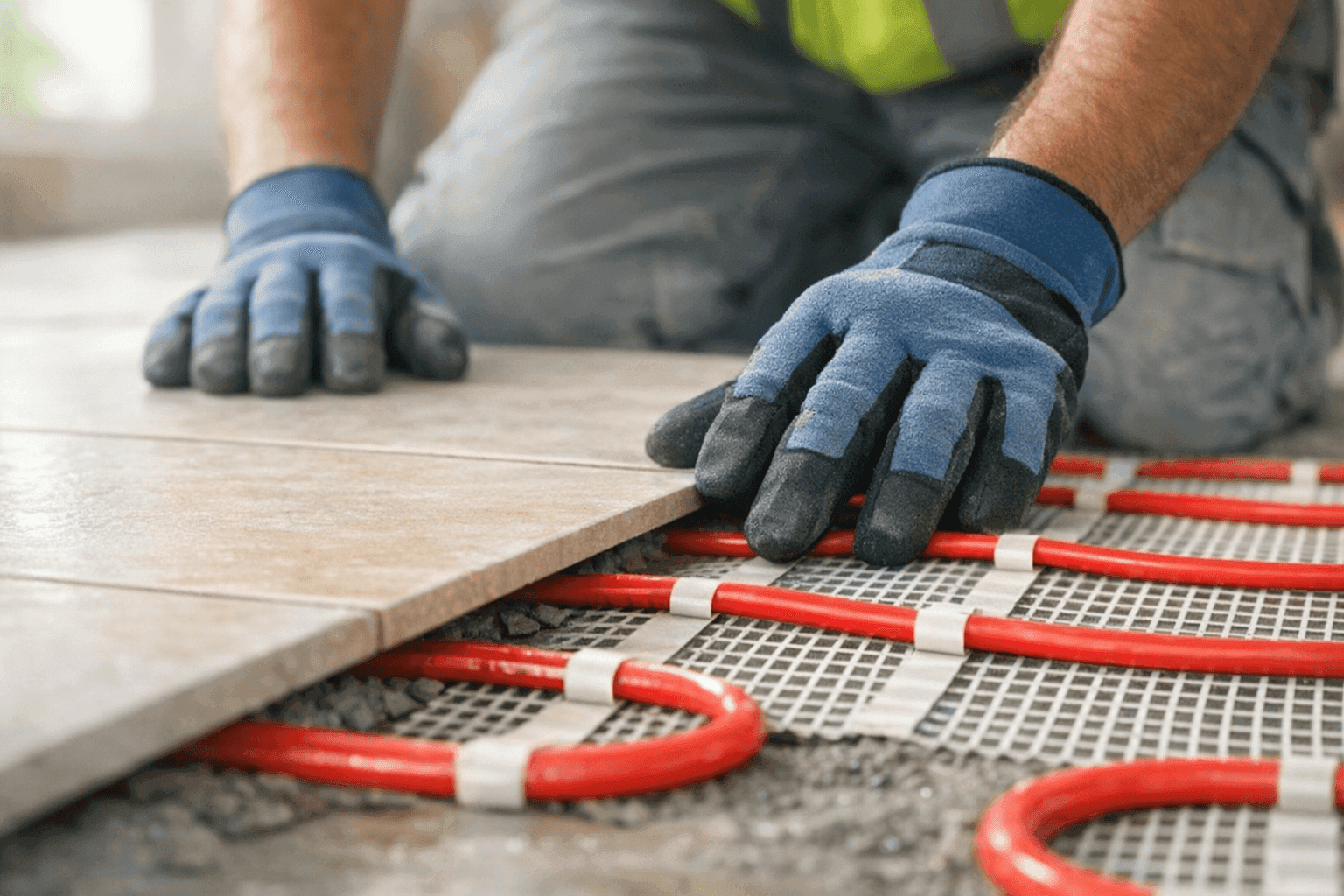
The most popular option. Pipes (hydronic) or electric mats are installed beneath your flooring. Perfect for tile, stone, or engineered wood. You’ll notice the difference with every barefoot step.
2. Radiant Ceiling Panels
Mounted overhead, these panels warm the room from above. They’re slim and easy to retrofit, especially in offices or commercial spaces where floor renovations aren’t practical.
3. Wall and Baseboard Radiant Panels
Panels can be tucked behind walls or baseboards for targeted heating. Ideal for spot-treating chilly zones or supplementing other systems.
4. Hydronic vs. Electric
- Hydronic (water-based): More efficient for large spaces; uses a boiler and network of tubes.
- Electric: Best for small areas or additions; easier to install but pricier to operate long-term.
Your space, budget, and comfort needs will steer the right pick. Want hands-on advice? Our heating installation pros can guide your decision.
The Pros: Why People Love Radiant Heating
What makes radiant heat a favorite for many homeowners and businesses? Here’s what stands out:
- Consistent Comfort: No cold spots. Even temperature from floor to ceiling.
- Silent Operation: No clanging ducts or air whooshing.
- Cleaner Air: No dust storms or allergens blowing around.
- Energy Efficiency: Lower heat loss compared to forced-air—especially with proper insulation.
- Low Maintenance: Fewer moving parts mean fewer breakdowns.
- Design Freedom: No bulky vents or registers cluttering up your design.
For anyone with allergies, pets, or sensitive skin, radiant heating can be a game-changer. Plus, it pairs perfectly with renewables—think “Geothermal near you” for the ultimate eco-friendly setup.
The Cons: Drawbacks and Installation Limits
No system is perfect. Here’s where radiant heating might give you pause:
- Higher Upfront Cost: Installation, especially retrofits, can be pricey.
- Slow Response Time: Takes longer to heat up or cool down compared to forced-air.
- Flooring Restrictions: Some carpets or wood floors aren’t compatible. Always check manufacturer guidelines.
- Complex Repairs: Leaks in hydronic systems require professional fixes and sometimes floor removal.
- No Cooling: Radiant systems only heat—no AC.
If you’re planning a remodel or new construction, radiant can be a smart investment. But for older buildings or quick fixes, it may not be the best route. Our heating maintenance team can help you weigh the pros and cons for your specific needs.
What to Expect: Installation Timeline & Disruption
Radiant heating isn’t an overnight project. Here’s a quick reality check:
- New Builds: Easiest and most cost-effective—install before flooring goes in.
- Retrofits: May require removing existing floors or ceilings. Expect noise and dust.
- Timeframe: From a few days for a single room to several weeks for a whole building.
For commercial spaces, plan around business hours to minimize disruption. Residential installs often happen in stages. Clear out rooms ahead of time to keep things moving smoothly.
Maintenance Tips: Keeping Radiant Systems Efficient
Radiant systems are low-maintenance, but not maintenance-free. Here’s how to keep yours humming:
- Annual Inspections: Schedule a pro checkup every year—especially for hydronic systems.
- Boiler Service: If you use hot water, follow local code for boiler maintenance (see ASME Boiler & Pressure Vessel Code).
- Check for Leaks: Watch for damp spots or unexplained drops in water pressure.
- Bleed Air from Lines: Air pockets can block water flow; let a pro handle it.
- Monitor Thermostats: Calibrate for accuracy and replace batteries regularly.
- Surface Care: Don’t block floors or walls with thick rugs or furniture.
A little TLC goes a long way. Most common issues—like uneven heating—can be caught early with regular maintenance. If you ever notice sudden cold spots, don’t wait. It’s time for a checkup.
Troubleshooting: Cold Spots & Common Problems 🛠️
Feeling a chill in one room but not the other? Here’s what might be happening:
- Air in the Pipes: Causes uneven heat. Solution: Professional bleeding of the system.
- Thermostat Issues: Miscalibrated or broken thermostats can throw off heat distribution.
- Blocked Heat Pathways: Large furniture or thick rugs can trap warmth.
- Pump or Valve Failures: Mechanical parts can wear out over time.
If DIY efforts don’t fix it, call in a licensed hvac contractor. They’ll track down the issue fast—and safely.
Prevention: How to Avoid Costly Repairs
A little prevention keeps headaches at bay. Here’s what our team recommends:
- Stick to a Maintenance Schedule: Mark your calendar for annual checkups.
- Use High-Quality Water: Hard water can clog hydronic systems—install a filter if needed.
- Follow Manufacturer Guidelines: Each system is a little different; keep the manual handy.
- Don’t Overload the Floor: Heavy furniture can damage heating elements over time.
Want help setting up a schedule? Our Heating Maintenance page has more info.
DIY or Call a Pro? When to Get Help
Some radiant heating care is safe for a handy homeowner: adjusting thermostats, checking visible leaks, or cleaning up around panels. But for anything involving water lines, electrical systems, or boilers—call a pro. Safety codes (like the National Electrical Code and local plumbing guidelines) exist for a reason.
A certified hvac technician will:
- Test system pressure and flow.
- Inspect for leaks and corrosion.
- Check electrical safety and controls.
- Make sure your system meets local code.
When in doubt, don’t risk it. Repairs gone wrong can turn a small problem into a big headache.
Seasonal Considerations: Winter Prep and Summer Shutdown
Before the first frost, give your radiant system a once-over:
- Test Run: Turn it on early in fall to catch issues before you need heat.
- Check Insulation: Pipes and manifolds should be well-insulated to prevent heat loss.
- Summer Shutdown: For hydronic systems, follow the manual for safe shutdown.
If your area deals with deep freezes, consider a backup system or generator to keep the pump running during power outages. Our generator installation and maintenance services can help you stay prepared.
Safety First: Quick Checklist
Radiant systems are safe, but only when installed and maintained correctly. Here’s a basic safety rundown:
- Watch for Leaks: Water near electrical connections is always a red flag.
- Keep Vents Clear: For hybrid systems with some forced air, don’t block vents.
- Follow Local Codes: Always check with your city or county for the latest hvac guidelines.
- Protect Controls: Keep thermostats and control panels dry and accessible.
For more info, check standards from the American Society of Heating, Refrigerating and Air-Conditioning Engineers (ASHRAE).
Cost Factors: What Affects Price?
Several things impact radiant heating costs:
- System Type: Hydronic is pricier upfront but cheaper long-term; electric is the reverse.
- Size of Area: Larger rooms mean more piping or mats.
- Flooring Material: Tile and stone transfer heat best; carpet can be tricky.
- Labor: Retrofits cost more due to demolition and finish work.
Ask for an in-person estimate before you commit. And remember, investing in energy efficiency can pay off on monthly bills.
When It’s an Emergency: Don’t Wait
No heat during a cold snap? Water pooling on your floor? That’s an emergency. Shut off your system and call a licensed hvac company immediately. Fast action can prevent structural damage and keep your family or business safe.
Radiant Heating FAQ
Q: Can radiant heat work with my current floors?
A: It depends. Tile, stone, and engineered wood are ideal. Carpet and solid hardwood need careful planning.
Q: How long do radiant systems last?
A: With proper care, hydronic tubing lasts 20–30 years. Electric mats can last 15+ years.
Q: Will radiant heat save me money?
A: Most folks see lower heating bills, especially when paired with good insulation and smart thermostats.
Q: Is radiant heat safe for kids and pets?
A: Yes—no hot surfaces or sharp edges. Just make sure controls are out of reach.
Real-World Example: Keeping Comfort Consistent
One of our long-term clients, a small medical office, struggled with uneven heating from old baseboard units. We installed in-floor radiant panels during a remodel. The result? Warmth from wall to wall, fewer complaints, and improved air quality for sensitive patients. Maintenance is now a simple annual checkup—less stress, more comfort.
Is Radiant Heating Right for You?
Take a step back and think: Do you want silent, even warmth? Is your space under renovation or new construction? Are you ready for a little extra investment upfront for long-term comfort? If yes, radiant heating could be the upgrade you’ve been searching for.
If you’re unsure, our team is happy to walk you through your options—no pressure, just clear answers.
Call Best Indy HVAC now — or reach us anytime at 855-525-5859 .