The Real Cost of a New AC Installation: What to Budget For
Is your home turning into a sauna every summer? Maybe your old AC’s humming louder than a freight train and your energy bills make you sweat more than the heat itself. Deciding to invest in a new AC isn’t just about comfort—it’s about making your home or business efficient, healthy, and future-ready.
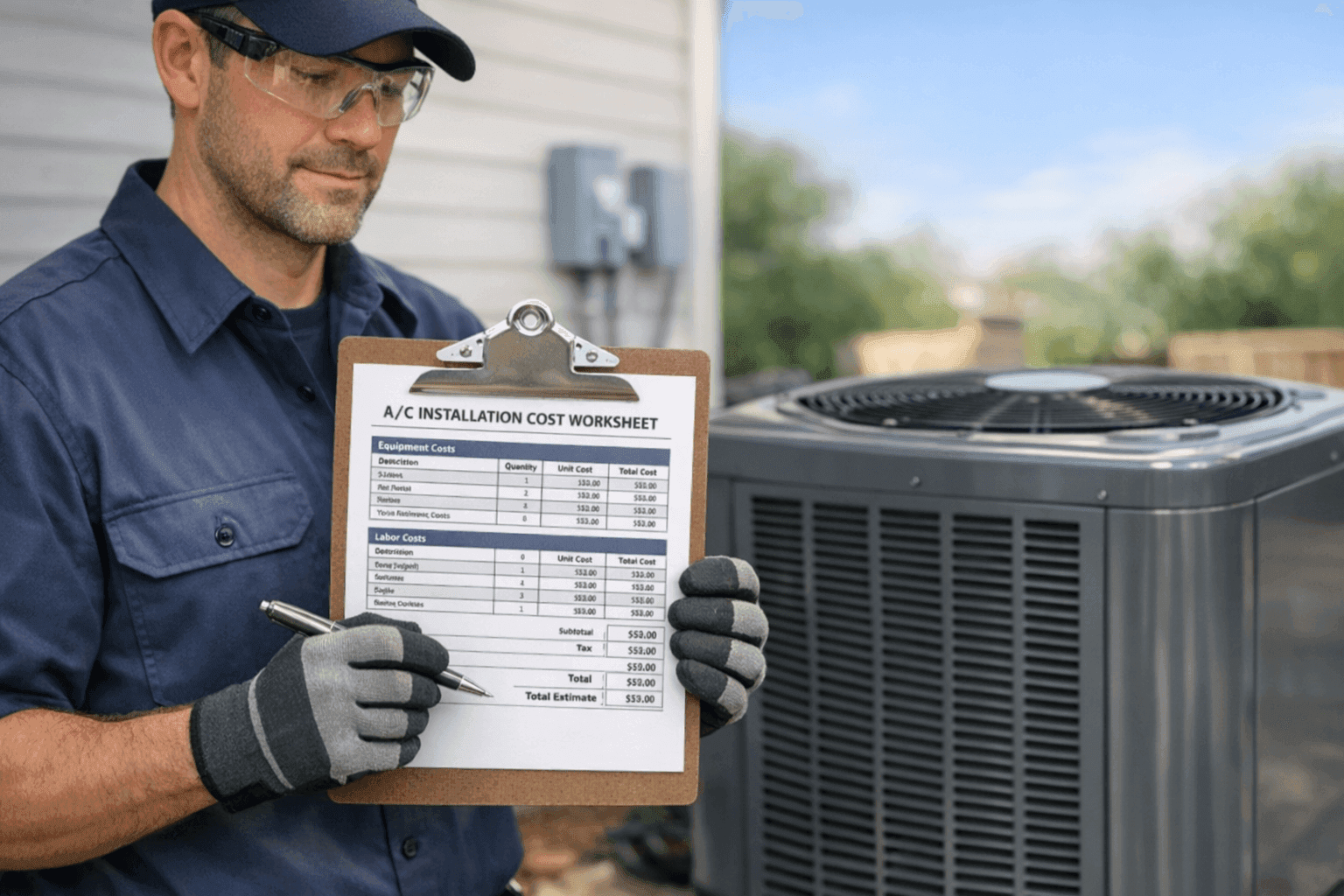
But what does a new AC installation really cost? It’s not as simple as a sticker price. Let’s peel back the layers so you know what to expect, how to budget, and where you can save.
Cost Factors: What Shapes Your AC Installation Price? 🏗️
Installing a new AC is like piecing together a puzzle. Each part affects the final picture—and the price tag.
- System Size: Bigger isn’t always better. Your space (square footage, insulation, ceiling height) determines what size you need. An oversized unit wastes energy; an undersized one strains itself.
- SEER Rating: Think of SEER (Seasonal Energy Efficiency Ratio) like miles per gallon for your AC. Higher SEER means lower monthly bills but a steeper initial cost.
- Ductwork: If your ducts are leaky, outdated, or nonexistent, you’ll pay to repair, modify, or install new ones. Ductless mini-splits come into play here—sometimes a smarter fit for additions or older buildings.
- Labor: Skilled HVAC technicians do more than just “plug it in.” Permits, safety codes, electrical work, and careful calibration all take time and expertise.
- Removal & Disposal: Hauling away the old system isn’t free. There are environmental rules for refrigerant and metal disposal, too.
- Smart Controls & Extras: Want a Wi-Fi thermostat, air scrubber, or zoning? Each add-on bumps up the total.
- Accessibility & Complexity: Tricky attic installs, tight crawlspaces, or unique layouts mean more labor hours (and higher costs).
- Regional Factors: Local code requirements, climate, and labor rates all play a role.
Price Ranges: What Should You Expect to Pay?
Numbers matter. While every project is unique, here’s a ballpark:
- Standard Central AC Installation: $4,500–$7,500 for most homes (2–5 tons, 14–18 SEER).
- High-Efficiency or Variable-Speed Systems: $7,000–$12,000+ for ultra-quiet, energy-saving models.
- Mini-Splits: $3,000–$8,500 per zone, depending on brand, features, and labor.
- Ductwork Replacement/Installation: $2,500–$6,000+ (depends on length, design, and accessibility).
- Smart Thermostats, Air Scrubbers, or IAQ Upgrades: $250–$2,500 extra.
Remember, commercial projects or specialized systems (like geothermal near you) can run much higher. Always ask for a detailed estimate.
What’s Included With a New AC Install?
A real, complete AC installation should cover more than just the box outside.
- Load calculation: Not a guess—pros use Manual J or similar, per ACCA guidelines.
- Permits & Inspections: Ensures your install meets local safety/code requirements.
- System Installation: Includes condenser, air handler/coil, refrigerant lines, and thermostat.
- Electrical Work: Proper wiring, circuit breakers, and grounding are essential.
- Removal of Old Equipment: Safe, lawful disposal of refrigerants and metals.
- Startup & Testing: Charging system, checking for leaks, fine-tuning airflow and temperature.
- Warranty Registration: Getting your equipment covered right from the start.
- Cleanup: Leaving your home or business as tidy as they found it.
Ask for a line-item breakdown. It keeps everyone honest.
Avoiding Surprise Costs: Read the Fine Print
Ever buy a new appliance, only to find “installation” means “drop it in your driveway”? AC installation can be like that—unless you’re careful.
Tips to dodge hidden fees:
- Clarify what’s not included: Is ductwork extra? Are electrical upgrades separate?
- Ask about permits and inspections: Are they handling it, or is it on you?
- Verify disposal: Will they haul away the old unit, or is that another invoice?
- Check for travel or “after-hours” surcharges: Especially for 24-hour emergency service.
- Get warranty details in writing: Parts, labor, and who handles what.
How to Save: Smart Ways to Stretch Your Budget 💡
You want value, not just the lowest price. Here’s how to make every dollar work harder:
- Get a Home Energy Audit: Sometimes fixing leaks or adding insulation lets you buy a smaller (cheaper) AC.
- Look for Rebates & Tax Credits: High-SEER systems or energy-efficient upgrades often qualify.
- Bundle Services: Pairing AC install with duct cleaning or IAQ testing may save on labor.
- Consider Mini-Splits for Additions: No ductwork means lower install costs for garages, sunrooms, or offices.
- Seasonal Promotions: Spring and fall installs might come with off-peak pricing.
- Don’t Skip Maintenance: Regular AC maintenance keeps warranties valid and systems efficient.
Getting Quotes: What to Look for in an Estimate
A good quote is more than a number—it’s a roadmap. Here’s what to check:
- Clear Scope of Work: Every major component and service should be listed.
- Brand/Model Details: Know exactly what’s being installed.
- Labor & Material Breakdown: Transparency prevents surprises.
- Timeline: Start date, duration, and how disruptions will be managed.
- Payment Terms: Upfront deposit, progress payments, final balance.
- License & Insurance Info: Protects you and your property.
Don’t be shy—ask questions. A reputable hvac company will welcome them.
System Size: How Big Is Big Enough?
Imagine wearing shoes three sizes too big. Your AC shouldn’t be oversized either. Oversizing leads to short cycling, humidity issues, and wasted money. Undersizing leaves you sweaty and frustrated.
Professionals use Manual J calculations, factoring in square footage, insulation, window exposure, and more. For most homes, it’s about 1 ton of cooling per 500–600 square feet—but never guess. Proper sizing is non-negotiable.
SEER Ratings: Where Efficiency Meets Upfront Cost
A higher SEER rating means lower energy bills, but the jump from 14 to 20 SEER can add thousands to the install price.
Is it worth it? Think of SEER like fuel economy. If you’ll run the system hard (long summers, high demand), the savings pile up. The Department of Energy recommends at least 14 SEER for most regions, but 16+ is ideal for maximum comfort and value.
Ductwork: The Hidden Highway
Ducts are the veins of your hvac system. Cracked, dirty, or leaky ducts can waste up to 30% of cooled air (per ENERGY STAR). If your installer doesn’t inspect your ducts, you might be tossing money out the window.
- New home? Ducts may need to be designed and built.
- Older home? Cleaning, sealing, or full replacement might be in order.
- No ducts? Mini-splits or ductless systems shine here.
Labor: Why Experience Matters 🛠️
Think of hvac installation like surgery: you want the best hands for the job. Experienced techs follow safety codes (refer to OSHA and local building codes), handle refrigerants responsibly, and ensure your system is up to snuff.
Cut-rate labor can mean costly callbacks, failed inspections, or even safety hazards. Invest in quality.
Removal, Disposal & Environmental Rules
Replacing an AC isn’t just plug-and-play. Removing an old unit means handling refrigerants (regulated by the EPA) and recycling metal components properly. Don’t let anyone vent refrigerant into the atmosphere—it’s illegal and bad for everyone.
Professional removal ensures you stay on the right side of the law.
Smart Controls & Extras: Worth the Splurge?
Want to control your comfort from your phone? Smart thermostats, zoning systems, and air quality upgrades add convenience—and can improve efficiency.
- Smart Thermostats: Learn your habits, save on energy.
- Air Scrubbers & Dehumidifiers: Boost indoor air quality, especially for allergy-prone families.
- Zoning Systems: Customize temps in different rooms, perfect for larger homes or commercial spaces.
Each extra adds to upfront cost, but can pay off in comfort and savings.
Timeline & Disruption: How Long Will It Take?
Most residential AC installations take 1–2 days, but add time for ductwork, electrical upgrades, or unexpected issues. Commercial projects or complex installs (like radiant heating or whole-house fans) can take longer.
Ask your installer for a clear timeline—especially if you’re coordinating with other projects or tenants.
DIY vs. Pro: Should You Try It Yourself?
Installing an AC isn’t like swapping a filter. Specialized tools, high-voltage wiring, refrigerant handling, and code compliance all demand professional skills.
DIY mistakes can void warranties, cause injuries, or lead to costly repairs. Save the sweat—let the pros handle it.
Prevention & Maintenance: Protect Your Investment
Installation is just the start. Regular HVAC maintenance (think filters, cleaning, tune-ups) keeps your new system humming for years. Many issues—like weak airflow or uneven cooling—trace back to neglected upkeep.
Schedule annual service. It saves money, energy, and headaches down the road.
Signs It’s Time: When to Replace Instead of Repair
Still on the fence? Here are red flags that say “replace”:
- AC is 10–15 years old, and repairs are stacking up
- Energy bills are rising, comfort is falling
- Frequent breakdowns or noisy operation
- Major part failures (compressor, coil)
No need to wait for a total breakdown. Upgrading early can mean lower costs over time and fewer disruptions.
Commercial Considerations: More Than Just Bigger Units
Businesses have unique needs—larger spaces, stricter code requirements, and often more complex zoning. Factor in downtime, disruption to customers, and long-term operational costs. A detailed, custom quote is a must.
Local Codes & Safety: Don’t Cut Corners
Every city has its own rules. Permits, inspections, and code compliance aren’t just red tape—they protect you from hazards and ensure the install stands up to scrutiny.
Ask your contractor how they’ll handle local requirements. For more specifics, see the International Mechanical Code and your city’s building department.
Ready for a Smooth AC Installation?
Budgeting for a new AC takes more than a rough guess. From system sizing to labor, ductwork to smart controls, every choice affects your comfort—and your wallet. Whether you’re upgrading a home or running a business, knowing the real costs helps you plan ahead and avoid surprises.
Want to speak with real hvac specialists who walk you through every line item? If you’re in the area, explore our hvac services in Bethesda for a local perspective.
Call Best Indy HVAC now — or reach us anytime at 855-525-5859 .