How to Reduce HVAC Noise in Your Home or Business
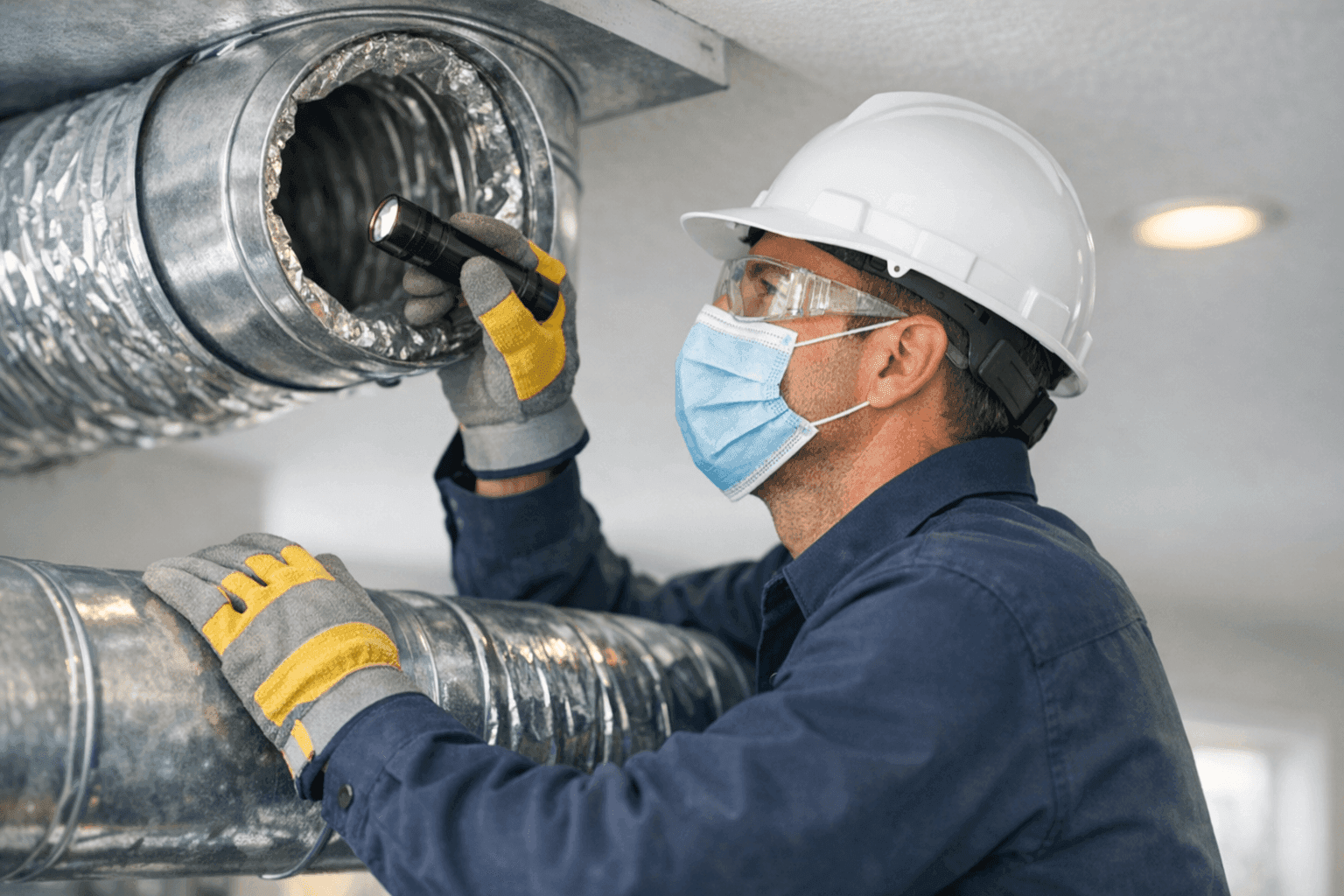
Is your HVAC system drowning out conversations or disrupting your sleep? At Best Indy HVAC, we know how frustrating and unsettling constant HVAC noise can be—whether you’re relaxing at home or trying to focus at work. You’re not alone. Both homeowners and business managers call us with the same question: “Why is my HVAC so loud, and what can I do about it?”
We’ve helped countless clients chase down those rattles, hums, and clanks. Let’s walk through why HVACs get noisy, what you can do yourself, and when it’s time to bring in the pros for real relief.
Why HVACs Get Noisy
First, every HVAC system makes some noise. But when that noise becomes a distraction, it’s usually a sign something’s off—either in how the system was installed, how it’s maintained, or how it’s being used.
Common sources of HVAC noise:
- Ductwork: Thin or loose metal ducts can boom like a drum. Poorly supported runs may clatter or vibrate.
- Fans and Blower Motors: Worn bearings or unbalanced fans create rattling, squealing, or grinding sounds.
- Outdoor Units: Compressors and fan blades can buzz, click, or thump, especially if debris is stuck or parts are aging.
- Vents and Grilles: Whistling, hissing, or “chuffing” noise often means restricted airflow or undersized grilles.
- System Cycling: Sudden start-ups and shutdowns can cause popping or banging if ducts expand or contract rapidly.
HVAC noise isn’t just annoying. According to the American Society of Heating, Refrigerating and Air-Conditioning Engineers (ASHRAE), persistent noise can affect concentration, sleep, and even productivity—especially in commercial spaces.
Quick Safety Checklist Before You Start 🔊
Before you attempt any noise reduction, make safety your top priority.
- Shut off power to your HVAC system at the breaker before inspecting or touching any components.
- Wear gloves and safety glasses if you’re working near moving parts or sharp sheet metal.
- If you smell gas, burning, or see electrical sparks, stop—call a certified HVAC technician immediately.
DIY Noise Fixes for Homeowners & Small Businesses
Many HVAC noise issues have simple solutions you can try before calling for professional hvac-repair.
1. Tighten Loose Panels and Screws
Grab a screwdriver and check service panels, duct joints, and vent covers. Even a quarter-turn can silence rattles.
2. Add Insulation or Duct Liner
Wrap noisy ducts with insulation sleeves or install a duct liner to muffle booming and vibration. This also boosts energy efficiency.
3. Install Vibration Pads
Placing rubber or cork pads beneath your HVAC unit can absorb vibrations. It’s like putting sneakers on a marching band—less stomping, less noise.
4. Replace or Clean Air Filters
Clogged filters force your system to work harder (and louder). Swap them out every 1-3 months, or more often in dusty environments.
5. Clear Debris Around Outdoor Units
Leaves, twigs, or trash near your AC condenser or heat pump can cause buzzing or clanking. Keep the area clear for quiet operation.
6. Check Vents for Obstructions
Make sure furniture, rugs, or boxes aren’t blocking supply or return vents. Blocked airflow can lead to whistling or hissing.
When to Call a Professional
Some HVAC noises are red flags that need a specialist’s touch. If you hear:
- Grinding, screeching, or metal-on-metal sounds (could be failing bearings or blower motors)
- Loud banging or popping from ducts (may signal expansion issues or installation faults)
- Persistent humming or electrical buzzing (could be a failing compressor or electrical component)
It’s time for a pro. Attempting big repairs yourself can void warranties—or worse, risk your safety.
What HVAC Pros Do on Arrival 🛠️
At Best Indy HVAC, our licensed technicians approach noisy systems systematically.
Step-by-step, here’s what to expect:
- System Inspection: We listen to your concerns, then carefully run and inspect the system—inside and out.
- Ductwork Assessment: Using sound meters, we pinpoint noisy sections and check for loose or poorly supported ducts.
- Air Balancing: We measure airflow room by room to find pressure imbalances that cause whistling or “wind tunnel” effects. More about this on our air balancing service page.
- Equipment Check: Motors, fans, and compressors are tested for wear, alignment, and secure mounting.
- Sheet Metal Solutions: Our sheet metal experts can reinforce or replace thin or vibrating ductwork—custom-made for your system. (Learn more about our sheet metal services.)
- Recommendations: We’ll suggest repairs, upgrades, or modifications based on what we find. No guesswork.
Real-World Examples: Quieting the Noise
Residential Case:
A family in a two-story home complained that their upstairs bedrooms were like sleeping next to a jet engine. Our techs found undersized return ducts and a rattling blower motor. After upsizing the duct and replacing the worn motor, the home became as quiet as a library—proving that professional fixes can make a world of difference.
Commercial Case:
A local office building had a conference room that echoed with every HVAC cycle. Using sound measurements and airflow testing, we discovered that unbalanced air pressure and thin metal ducts were amplifying vibrations. With custom sheet metal dampers and a full air balancing, meetings went from disruptive to distraction-free.
Prevention & Maintenance Tips
- Schedule regular HVAC maintenance at least twice a year—spring and fall are best.
- Have ducts inspected and cleaned every 3-5 years, or sooner if you notice dust or noise issues.
- Replace worn parts promptly—delaying repairs only makes noise (and costs) worse.
- Consider a home energy audit to spot hidden airflow or insulation problems contributing to noise.
Costs & Time Factors
- DIY fixes (tightening screws, replacing filters, adding insulation) are usually quick and inexpensive.
- Professional repairs can range from $100 for simple fixes to several hundred for duct modifications or major component replacements.
- Upgrades or replacements—like installing a new, quieter blower or upgrading ductwork—may require more investment, but the payoff is lasting peace and comfort.
When It’s an Emergency 🚨
If your HVAC noise is accompanied by burning smells, popping electrical sounds, or sudden system shutdowns, shut everything down and call for emergency service right away. These can signal dangerous electrical or gas issues.
Seasonal Considerations
- Winter: Metal ducts contract, sometimes causing more popping or banging as temperatures drop.
- Summer: AC units work harder, so fans and compressors may become noisier—especially if overdue for maintenance.
- Spring/Fall: Prime time for tune-ups and inspections to prevent noise before peak heating or cooling hits.
Common Mistakes to Avoid
- Ignoring persistent noise. Small issues can lead to bigger, costlier repairs.
- Using makeshift insulation. Avoid flammable or unsafe materials—stick to HVAC-rated products.
- Over-tightening screws. This can strip threads or warp panels—tighten just enough to secure.
Signs of Trouble: When It’s More Than Just Noise
- Sudden changes in volume or new sounds—especially after recent repairs.
- Hot or cold spots in your home or workplace.
- Higher energy bills without explanation.
These may indicate airflow problems, equipment failure, or even code violations. (Reference: International Residential Code and National Fire Protection Association guidelines.)
Timeline & Disruption
Most basic noise fixes take less than an hour. Duct modifications or equipment upgrades may require a half-day to a full day, depending on system complexity. We’ll always let you know what to expect, so your routine isn’t thrown off.
Materials & Equipment Pros Use
- Acoustic duct liner and wraps
- Anti-vibration pads and mounts
- Precision sound meters
- Custom sheet metal dampers and supports
- OEM replacement parts (motors, bearings, fans)
When to Upgrade or Replace
If your system is over 15 years old, or if chronic noise persists even after repairs, it may be time to consider an upgrade. Modern HVAC units are designed with quieter motors, insulated cabinets, and advanced airflow controls. Looking for “Geothermal near you”? These systems are not only energy efficient but also among the quietest on the market.
FAQ: Your HVAC Noise Questions Answered
Q: How much noise is normal?
Some low-level hum is expected, but anything disruptive or new deserves attention.
Q: Can noisy ducts affect my indoor air quality?
Yes—leaky or vibrating ducts can pull in dust or allergens. Regular duct cleaning and sealing help.
Q: Will a new thermostat help?
Sometimes! Smart thermostats can reduce unnecessary system cycling, which can cut down on noise.
Q: How do I find a reputable hvac contractor?
Choose a licensed, insured team with strong local experience. (If you're in the Topeka area, our hvac company is ready to help.)
Enjoy Quieter Comfort at Home or Work
No one should have to shout over their heater or lose sleep to a rattling AC. With a mix of smart DIY steps and professional help, you can reclaim peace and quiet—at home, at work, wherever you need it most.
Call Best Indy HVAC now — or reach us anytime at 855-525-5859 .