Is It Time to Replace Your Old Furnace? Signs & Solutions
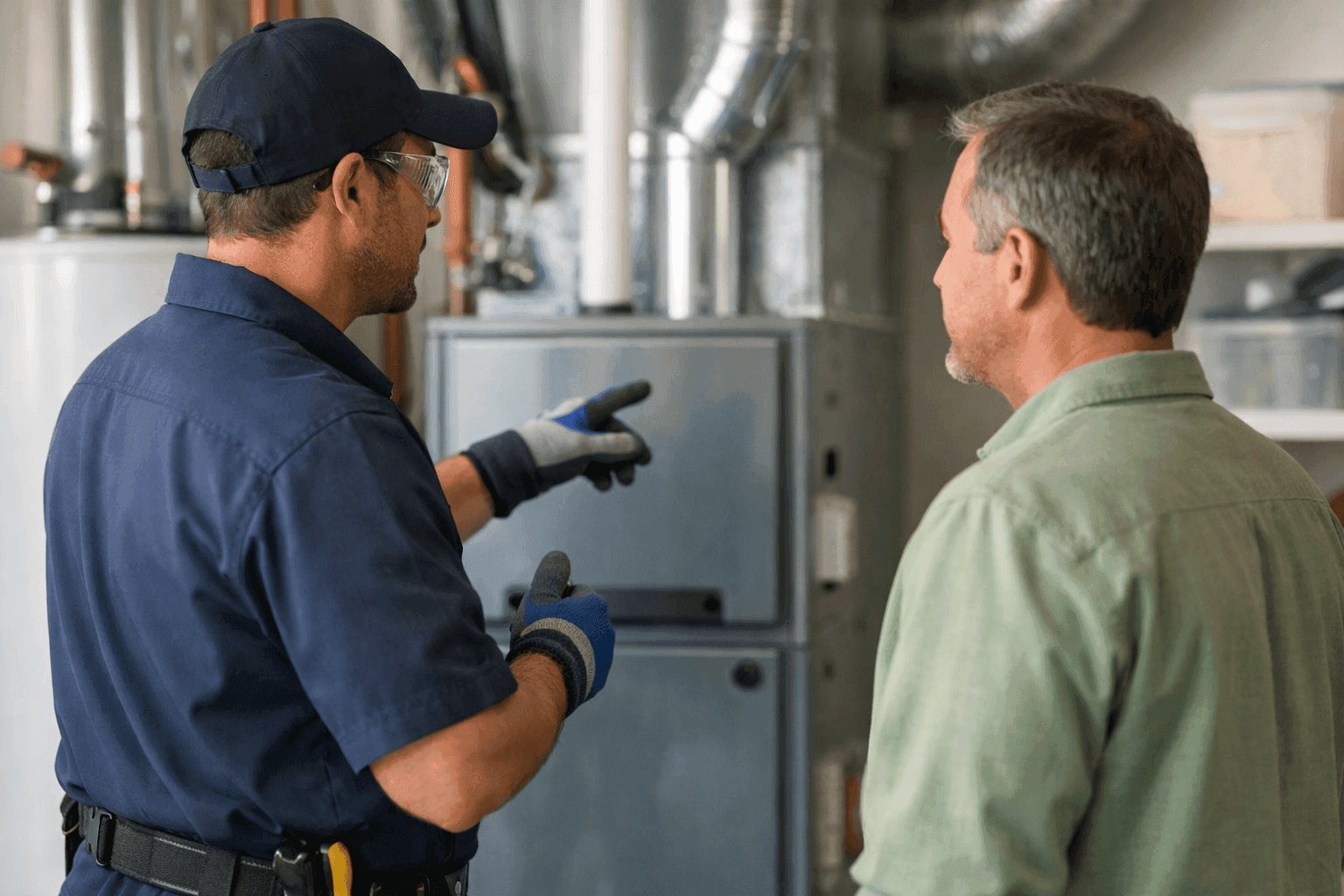
Are you shivering in your own home even with the heat running? Or maybe you dread opening your energy bill each month. An aging furnace can be like a worn-out pair of boots—barely holding together and letting in the cold. But when is it truly time to replace, not just repair?
At Best Indy HVAC, we’ve helped countless homeowners and businesses make the right call. Let’s walk through the warning signs and solutions, so you can plan your next steps with confidence.
Signs of Furnace Failure You Can’t Ignore 🔥
Your furnace won’t last forever. Like any hardworking machine, it gives clues when it’s on its last legs. Watch for these telltale signs:
- Age Over 15–20 Years: Most furnaces start losing efficiency after 15 years. If yours is approaching this milestone, pay close attention.
- Frequent Repairs: Needing fixes more than once a season? Those costs add up fast.
- Rising Energy Bills: If your utility bills keep climbing without a clear reason, your furnace might be burning more fuel for less heat.
- Uneven Heating: Cold spots, inconsistent temperatures, or weak airflow point to deeper issues.
- Strange Noises: Banging, rattling, or buzzing aren’t just annoying—they often signal failing parts.
- Yellow Burner Flame: A healthy gas flame should be blue. Yellow or flickering flames could mean dangerous carbon monoxide.
- Dust, Soot, or Rust: Excessive dirt or rust around the furnace signals poor combustion or air quality problems.
If several of these ring true, it’s time to consider your options seriously.
Risks of Running an Outdated Furnace
Keeping an old furnace is like driving a car with bald tires—risky and uncomfortable. Here’s what you’re exposing your home or business to:
- Reduced Safety: Cracked heat exchangers can leak carbon monoxide, a deadly gas. The CDC warns that even small leaks pose health risks.
- Air Quality Issues: Old furnaces often circulate dust, allergens, and even combustion byproducts.
- Increased Breakdowns: As internal components fail, sudden breakdowns during a cold snap become much more likely.
- Code Violations: Furnaces that don’t meet current building codes or manufacturer recommendations can create insurance headaches or legal issues.
- Higher Operating Costs: An inefficient furnace drains your wallet month after month.
When to Repair vs. Replace
Sometimes a simple repair is all you need. Other times, patching up an old system is just throwing money into a sinking ship. Here’s how to decide:
- Repair: If your furnace is under 10 years old, repairs are minor, and your energy bills are stable.
- Replace: If repairs cost more than half the price of a new unit, or your system is over 15 years old, replacement is usually smarter.
- Rule of $5,000: Multiply the cost of the repair by the age of your furnace. If it’s over $5,000, replacement is often the best move.
Always consult a licensed HVAC technician to assess the true condition before making a big decision.
Quick Safety Checklist Before You Decide
Before you even think about repair or replacement, safety comes first:
- Check your carbon monoxide detectors (replace batteries annually).
- Make sure furnace vents and flues are clear of debris.
- If you smell gas, shut off the system and call your utility company immediately.
- Review the owner’s manual for maintenance guidelines and warnings.
Never ignore unusual odors or sounds. When in doubt, schedule a professional inspection.
DIY Fixes vs. Calling the Pros
Changing your furnace filter? That’s a DIY task. But when it comes to system diagnostics, electrical issues, or gas connections, it’s time for trained hands.
- DIY: Swap filters, check thermostat batteries, clear vents.
- Call a Pro: Odd noises, frequent cycling, pilot light issues, or system won’t start.
A licensed HVAC contractor brings specialized tools and follows safety codes (refer to local building codes and the National Fire Protection Association guidelines).
What to Expect When the Pros Arrive
A professional from Best Indy HVAC will:
- Thoroughly inspect your furnace and ductwork.
- Test for carbon monoxide and gas leaks.
- Measure efficiency and airflow.
- Offer a breakdown of repair vs. replacement costs.
- Discuss your goals for comfort, efficiency, and budget.
Transparent, step-by-step advice helps you avoid surprises and wasted money.
The Real Cost of Furnace Replacement
The price for a new furnace varies widely based on:
- Unit size and type (gas, electric, Geothermal near you)
- Efficiency ratings (AFUE)
- Labor and code upgrades
- Ductwork modifications
Think of it as an investment in comfort, safety, and lower monthly bills. While upfront costs can feel steep, modern systems save you hundreds—sometimes thousands—over their lifespan.
How Long Will It Take? Timeline & Disruption
Most standard furnace installations take a day. Complicated homes or businesses, or those needing ductwork upgrades, may require extra time.
- Prep: 1–2 hours (moving furniture, accessing the site)
- Removal: 1–2 hours (old unit out, area cleaned)
- Installation: 4–8 hours (new system, safety checks)
- Testing & Walkthrough: 1 hour
We do our best to minimize disruption to your daily routine.
Seasonal Timing: When to Schedule Replacement
Plan your upgrade before the first hard freeze. Fall and early spring are ideal—technicians have more availability, and you won’t be caught without heat on a bitter night. Emergency winter replacements can be stressful and costly.
Benefits of Upgrading to a Modern Furnace
Why bite the bullet now? Here’s what you gain with a new system:
- Higher Efficiency: New models can reach 98% AFUE—nearly every dollar spent becomes usable heat.
- Better Comfort: Even heating, quieter operation, improved air quality.
- Smart Controls: Modern thermostats let you fine-tune temperatures and save energy.
- Warranty Coverage: Most new furnaces come with warranties covering parts for 10+ years. Always register your unit to activate coverage.
- Safety: Advanced sensors and shut-offs protect your home and loved ones.
Features to Look for in a New Furnace
Not all furnaces are created equal. When shopping, consider:
- AFUE Rating: Aim for 90% or above for best savings.
- Variable-Speed Blowers: Provide consistent comfort and lower noise.
- Sealed Combustion: Safer and more efficient than open systems.
- Compatibility: Make sure it works with your ductwork, thermostat, and any add-ons like air scrubbers or humidifiers.
- Reputable Brands: Choose models certified by ENERGY STAR and tested by the Air-Conditioning, Heating, and Refrigeration Institute (AHRI).
How to Choose the Right Model for Your Space
Every building is unique. Don’t settle for “one-size-fits-all.” Work with an HVAC specialist to:
- Calculate heating load based on square footage, insulation, and window quality.
- Consider zoning for multi-story homes or large commercial spaces.
- Factor in future needs—adding a basement, expanding a business, or upgrading to smart controls.
Our team can guide you through the maze of options and help you select the best fit.
Common Mistakes to Avoid During Replacement
- Skipping the Load Calculation: Oversized or undersized units waste energy and cause comfort issues.
- Ignoring Ductwork: Leaky or undersized ducts sabotage even the best furnace.
- Focusing Only on Price: The cheapest furnace may cost more in the long run.
- DIY Installation: Furnace replacement requires permits, code compliance, and technical skill—don’t risk it.
Maintenance Tips to Maximize Your New Furnace
Once your new system is in, keep it running strong:
- Change filters every 1–3 months.
- Schedule annual tune-ups with a certified technician.
- Keep vents and returns clear of obstructions.
- Watch for warning signs—strange noises, rising bills, or uneven heat.
Routine maintenance extends furnace life and keeps your warranty valid.
How Furnace Replacement Fits With Whole-Home Comfort
Upgrading your furnace is just one piece of your home’s comfort puzzle. Don’t forget:
- Air balancing for even temperatures.
- Duct cleaning for healthier air.
- Integrating with smart thermostats, air scrubbers, or humidity controls.
Best Indy HVAC offers a full suite of services to keep your air clean, cozy, and safe. If you’re looking for reliable Furnace Installation or other hvac solutions, we’re here to help.
Frequently Asked Questions
How do I know if my furnace is still safe to use?
Schedule a professional inspection, especially if it’s over 15 years old or showing signs of trouble.
Will a new furnace reduce my energy bills?
Yes. High-efficiency models can cut heating costs by 20–30% or more, according to the Department of Energy.
Can I replace my furnace with a different type (like Geothermal)?
Absolutely. Many property owners upgrade to Geothermal or mini-split systems for even greater efficiency—ask about your options.
How long do new furnaces last?
With proper maintenance, modern furnaces typically last 15–20 years.
Do I need to replace my air ducts too?
Not always, but old, damaged, or poorly designed ductwork should be evaluated during your project.
Ready for a Warmer, Safer Home or Business?
Don’t wait for a total breakdown or a safety scare. Plan your upgrade on your terms. Reach out to Best Indy HVAC for a clear, honest assessment and expert furnace installation or repair advice.
Call Best Indy HVAC now — or reach us anytime at 855-525-5859 .